

Phacelia Tanacetifolia It is an annual herbaceous plant. It is one of the best Mellifere plants in nature thanks to an abundant and prolonged flowering (mid -May – until July) that It attracts bees, bombs and other useful insects including the Sirfids whose larvae are predators of aphids. It therefore provides pollen and the most high quality nectar but in agriculture it is also used for the evil (agronomic practice that involves the interraction of the crop used as natural fertilizer), as it is rich in nitrogen substances.
Features of the Faclia
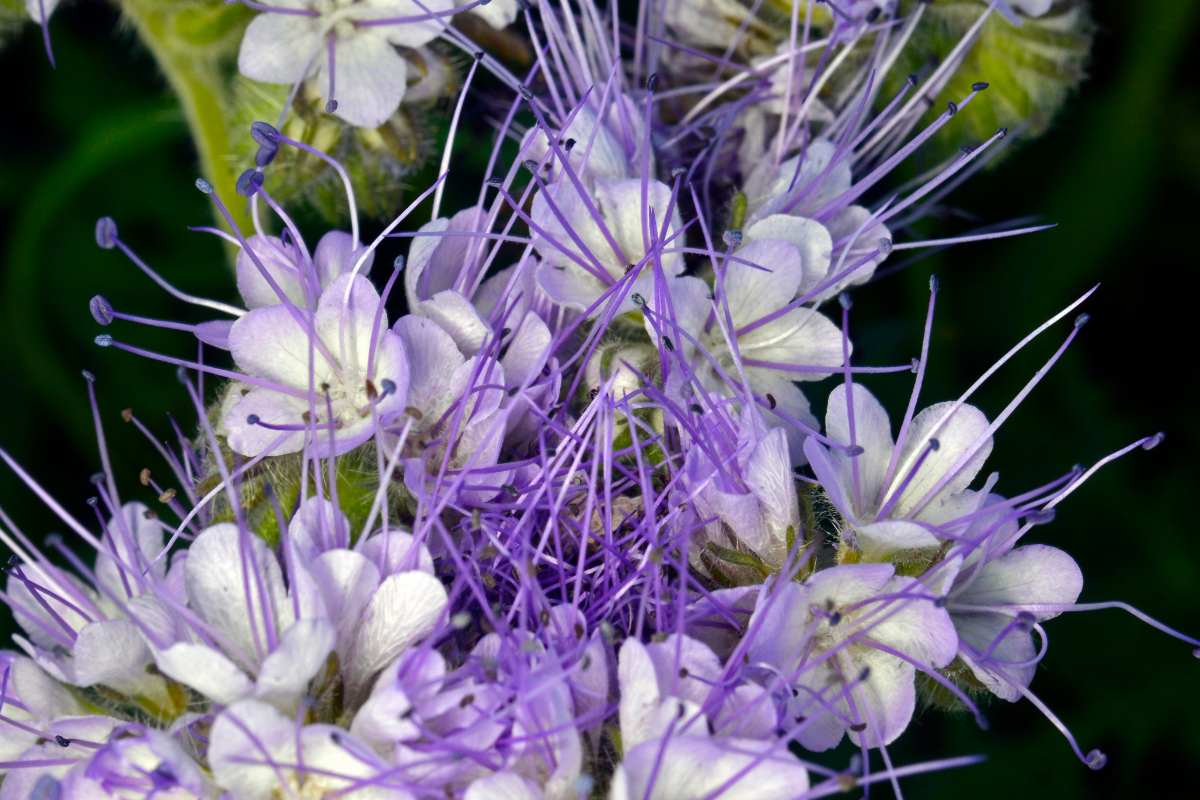
La Faclia is an annual herbaceous plant that can reach a height of 60-90 cm. Its leaves are deeply lobed and bright green in color. The flowers, which bloom from May to September, are of a characteristic blue-liter color and are grouped in bunch inflorescences, have a scorpioid inforescence, rolled in spiral of blue-violet color, very beautiful and flashy so as to be used also as a cut flower. The Factia is particularly appreciated for its ability to produce large quantities of nectar, which makes it extremely attractive for bees, bombs and other pollinating insects.
What are the ideal climatic conditions for the cultivation of the FACELIA
La Factia is a versatile plant that adapts to a wide range of climatic conditions, but prefers temperate climates. It is resistant to cold and can germinate at relatively low temperatures, but the ideal temperatures for growth are between 15 and 25 ° C. It can tolerate light frosts, but too high temperatures can reduce the quality of flowering.
What is the ideal terrain
The facelia is not particularly demanding regarding the type of soil, but prefers well -drained soils rich in organic matter. It is important that the ground is without water stagnation, since these can cause radical rot. A pH between 6.0 and 7.5 is ideal for the cultivation of the FACELIA.
How to sow the seeds of the Faclia
The Factia can be sown directly in the open field or in containers, direct sowing is generally preferable to reduce the risk of transplant stress.
Sowing period
The best time to sow the Faclia is spring, after the risk of late frosts has passed. However, in regions with mild winters, it can also be sown in autumn for an early spring flowering.
Sowing method
Faclia seeds are small and must be sown superficially. Shake the seeds uniformly on the prepared soil and cover them with a thin layer of earth, about 1 cm. It is important to maintain a distance of 20-30 cm between the files to facilitate the growth of plants and access for maintenance.
Irrigation
After sowing, it is essential to maintain the soil wet to germination, which generally takes place within 7-14 days. Once the plants are well established, the Factia is relatively tolerant of drought, but regular irrigation during periods of prolonged drought will help to guarantee abundant flowering.
The facelia prefers sunny positions, but can grow well even in half -shaped conditions. A complete exposure to the sun promotes a more abundant and prolonged flowering.
How to take care of the facelia
If the seedlings are too dense, it is advisable to thin them to avoid competition and promote vigorous growth, it leaves about 15-20 cm between each plant.
The weeds can compete with the facingia for light, water and nutrients it is important to maintain them under control with manual deserves or using organic mulching.
Fertilization
If the soil is well prepared and rich in organic matter, the Factia does not require additional fertilizations. However, in poor soils, a balanced fertilizer contribution (NPK 10-10-10) can help improve growth and flowering.
Parasites and Diseases of the Faclia
The Factia is generally resistant to parasites and diseases, however, it can occasionally be attacked by aphids or mites. In case of infestations, treatments with insecticide soap or neem oil can be effective.
How to collect seeds
If you want to collect the seeds for sowing the following year, you can leave some plants to mature until the seeds are completely mature. The seeds can be collected, dried and preserved in a cool and dry place until the time of sowing.
What are the benefits of the cultivation of the facelia
Attracts pollinators
The Faclia is one of the most effective mellipheres plants to attract bees and bombs, which are essential for the pollination of many agricultural crops. A greater presence of pollinators can significantly improve fruit and vegetable yield.
Improves soil
The facelia is also used as a roof culture to improve the soil structure and prevent erosion. Its deep roots help to help the soil and increase its water retention capacity.
Benefits for biodiversity
The cultivation of the Faclia contributes to promoting biodiversity, offering habitats and food resources for a variety of useful insects and other organisms.
Is the facelia edible?
Despite its beauty and its beneficial properties for the soil, the Factia is not an edible plant for man.
Potential melliferous and attraction for pollinators
A study evaluated the productivity of Faclia honey in relation to the location of cultivation, highlighting rendered between 500 and 1200 kg/ha.
Another study, on the other hand, analyzed the interest that the Phacelia Tanacetifolia arouses in Apis Mellifera and other pollinators, underlining the importance of this species in supporting the populations of pollinating insects in decline.
10 plants and flowers to attract bees and ladybugs to the garden
