
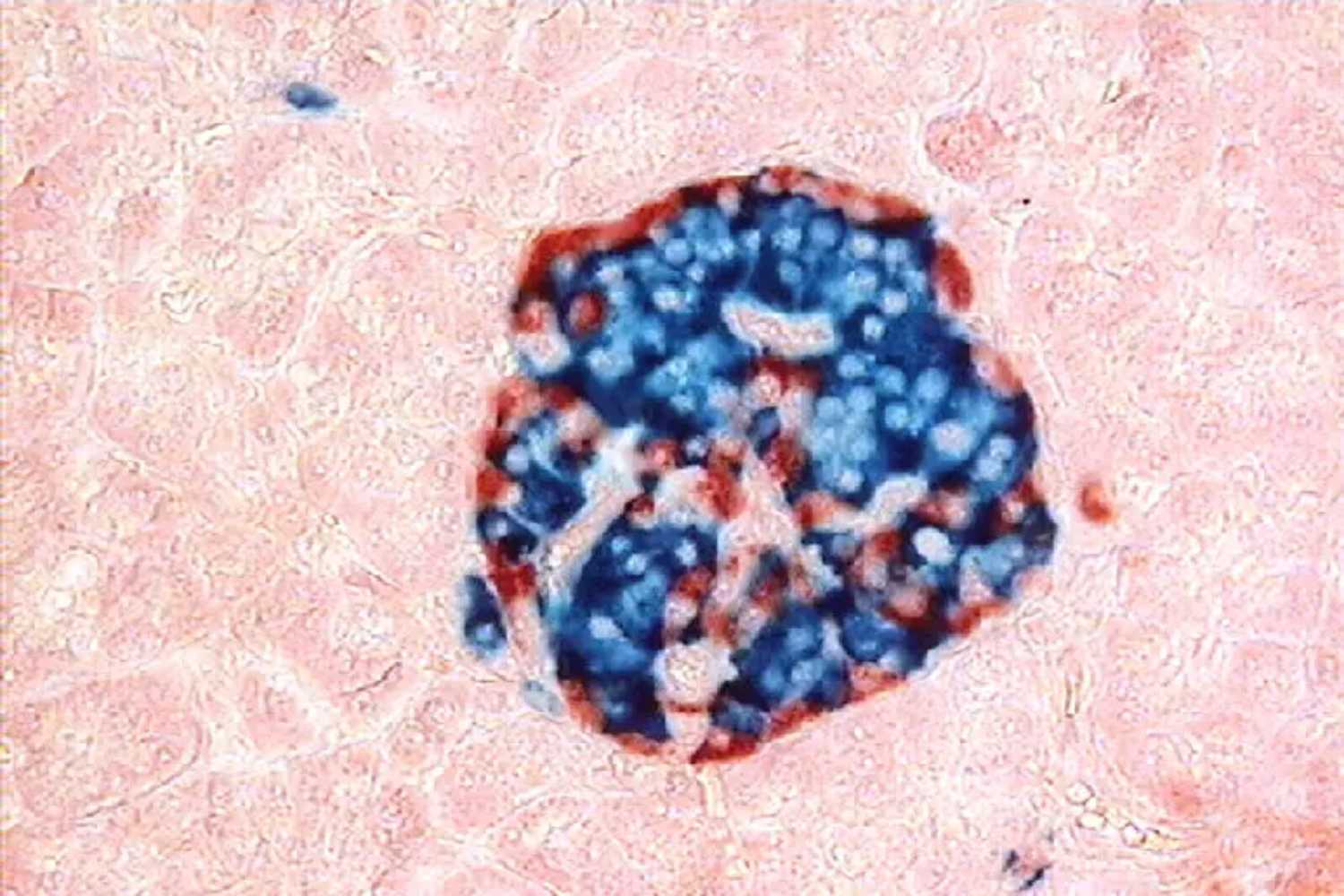
A team of scientists has reached an important milestone in the fight against type 1 diabetes: they managed to create, for the first time, human pancreas islands using 3D printing. These biological structures, fundamental for the natural production of insulinhave successfully overcome the First laboratory testsshowing regular and promising operation.
The work was presented during the congress of the European Company for organ transplantation (ESOT) in London and is available online on the platform BIORXIVwaiting for scientific revision. The research manager, Quentin Perrier, currently at the Wake Forest University School of Medicine in the United States, underlined the importance of innovation at the basis of the project: the use of a Special bio-inchiostro capable of recreating the natural environment of the pancreas.
A bio-inchiostro based on algae and human fabric
The material used for printing is composed of Decellilized pancreatic tissue combined with alginateda natural substance extracted from algaealready widely used in the medical field for its gelatinous consistency and biocompatible properties. This combination has made it possible to offer the pancreatic islands the ideal environment to live, receiving oxygen And nutrients efficiently.
According to Perrier the goal was Recreate the natural environment of the pancreas so that transplanted cells could survive and work better. The results are clear: the printed islands have shown Good vitality for at least 21 daysreacting correctly to change in the levels of glucose.
A less invasive and more effective technology
Another advantage of the new technique is the porosity of the printed structure which facilitates the formation of blood vessels and reduces physical stress during the printing process. In addition, the transplantation of these islands can take place in a manner minimally invasivewith a simple one engraving under the skin And local anesthesiamaking the procedure potentially accessible and tolerable for many patients.
As highlighted by Perrier himself, this is one of the first studies to use real human pancreatic islands instead of animal cells in biostampa. The next steps foresee Other tests With the hope that this technology may one day eliminate the daily use of insulin For diabetic patients. A decisive step forward towards increasingly personalized and effective therapies.
