For decades, man tried to limit and control nature, bending it to his needs to Langwarder Groden, In the Park of the sea of the Waden of the Bassa Saxony. Then, eleven years ago, he decided to take step back. So after opening a summer dama Full ecosystem has returned to live. And it became an oasis for thousands of birds, as well as a unique tourist attraction.
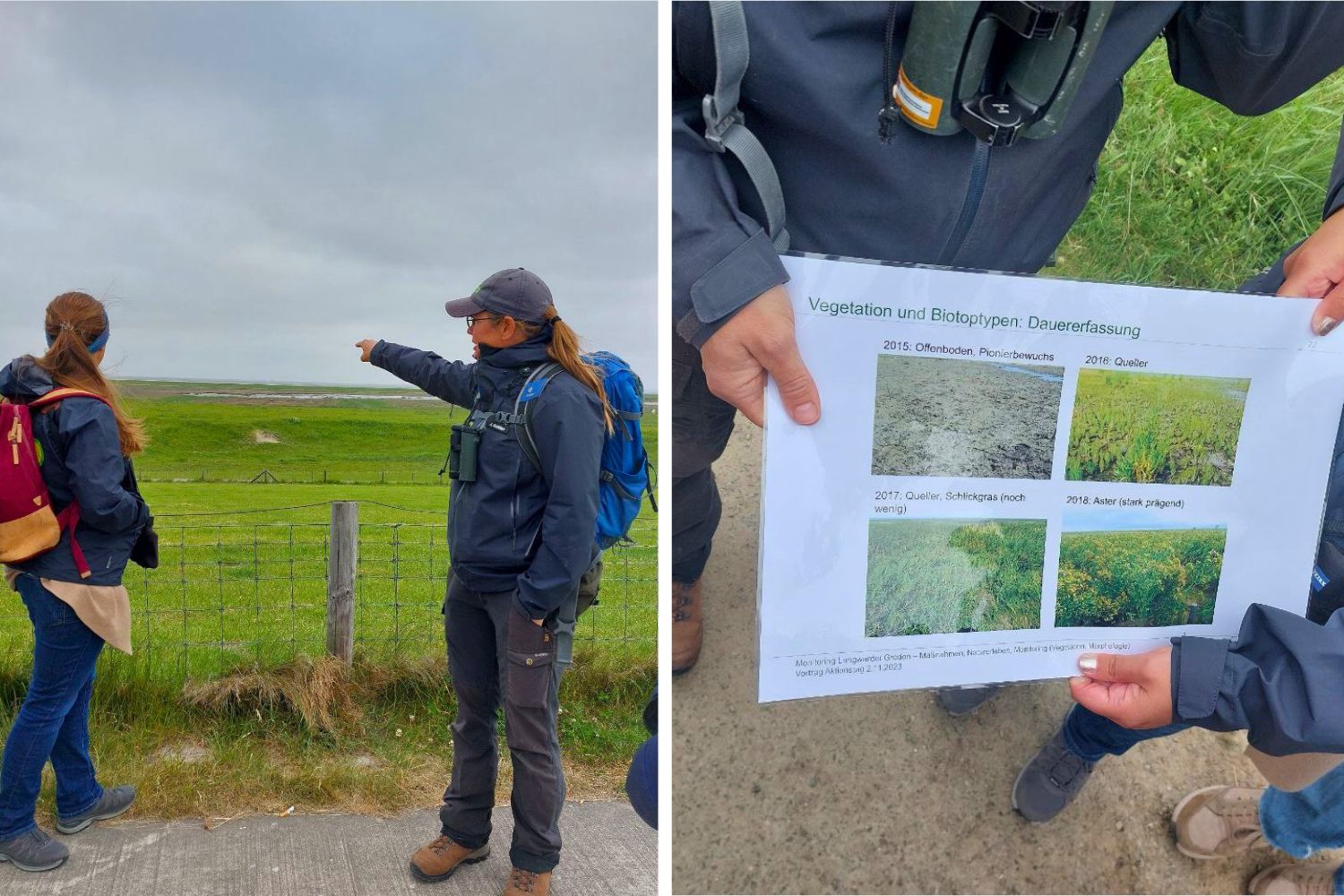
What I tell you represents an extraordinary project to restore nature in Germany and a lesson for many other countries. Thanks to a short mobility experience Erasmus (focused on sustainable tourism) in Germany, in which I took part together with the political-cultural association Article 1, I was able to admire this landscape live; And I discovered how it is protected and enhanced, during an excursion guided by the Ranger Annalie Hedden and by the contact person for international cooperation Hannah Wilting of the Waden Sea Park of the Bassa Saxony.
Langwarder Groden: a project that makes a school
The Wadden seabetween Germany, the Netherlands and Denmark constitutes a model of harmonious coexistence between nature and human presence. This is the most extensive (and uninterrupted) area of tidal plane and muddy expanses to the world, inserted in the list of UNESCO World Heritage Site for its rich biodiversity.
Here the scenario continuously turns during the day by via delle tide, which mark the life of the fauna and the local population. Until the last century this precious ecosystem, populated by seals and millions of birds, has been compromised by human interventions, including the construction of dams, banks and dragni to protect the areas inhabited by tides and breed animals. Fortunately, in recent decades there has been an inversion of course: nature is returning to recover its spaces. One of the projects of Nature Restoration RisoRomente succeeded is undoubtedly the one that concerns Langwarder Groden, an area of brackish swamps that extends for about 140 hectares inside the Waden National Park of the Bassa Saxony. Here Starting from 1933 the creation of a summer dam – 6 meters high – had blocked natural development of the area.
Eleven years ago, this area was completely black. There was no grass, only black earth and mud. – tells the Ranger Annalie Hedden of the Waden Sea Park of the Bassa Saxony, engaged in the protection and monitoring of Langwarder Groden – in 2014, however, everything has changed to the opening of the summer dam to compensate for the environmental impact of the port of Wilhelmshaven.
And in a short time the landscape has turned surprisingly.
Nature has returned to reign sovereign
It was enough to open the summer dam to bring back Langwarder Groden To its original splendor, thanks to the spontaneous action of the tides. After a while, Salicornia, Puccinellia Maritima and other plants typical of the brackish environments have reappeared.
Today this area has become a true paradise for birds: about 15 species have chosen this place to nest. During the reproductive season you can meet the lark, the gossip or the pavonce, while in migration periods it is possible to spot theThe whistle, the ridge lark and the royal German. From time to time it is not uncommon to spot gray seals and common seals in the area, who live in the surroundings.
In addition, in the ground there is a submerged treasure of biodiversity. If you listen well in silence, you can hear the noise produced by the tiny shrimp that move on the sand.
A victory for everyone (not just for the environment)
The opening project of the dam was not immediately accepted with enthusiasm by the inhabitants of that stretch of coast of Lower Saxony, indeed.
At first the local population was frightened and angry. – explains the Ranger Annalie Hedden of the Waden Sea Park of the Bassa Saxony, engaged in the protection and monitoring of Langwarder Groden – feared that without the summer dam, the arrival of the tide would destroy the main dam. But then he changed his mind, after noticing that the project was safe and that nature had returned to proliferate, also attracting several tourists.
In addition to being an oasis of biodiversity, this place has become a tourist attraction for nature and nature lovers birdwatching. Thanks to a circular route over 5 km long it is possible to explore the area, observing the local fauna. The itinerary, composed of wooden walkways with various observation points and information panels, is suitable for everyone (including children).
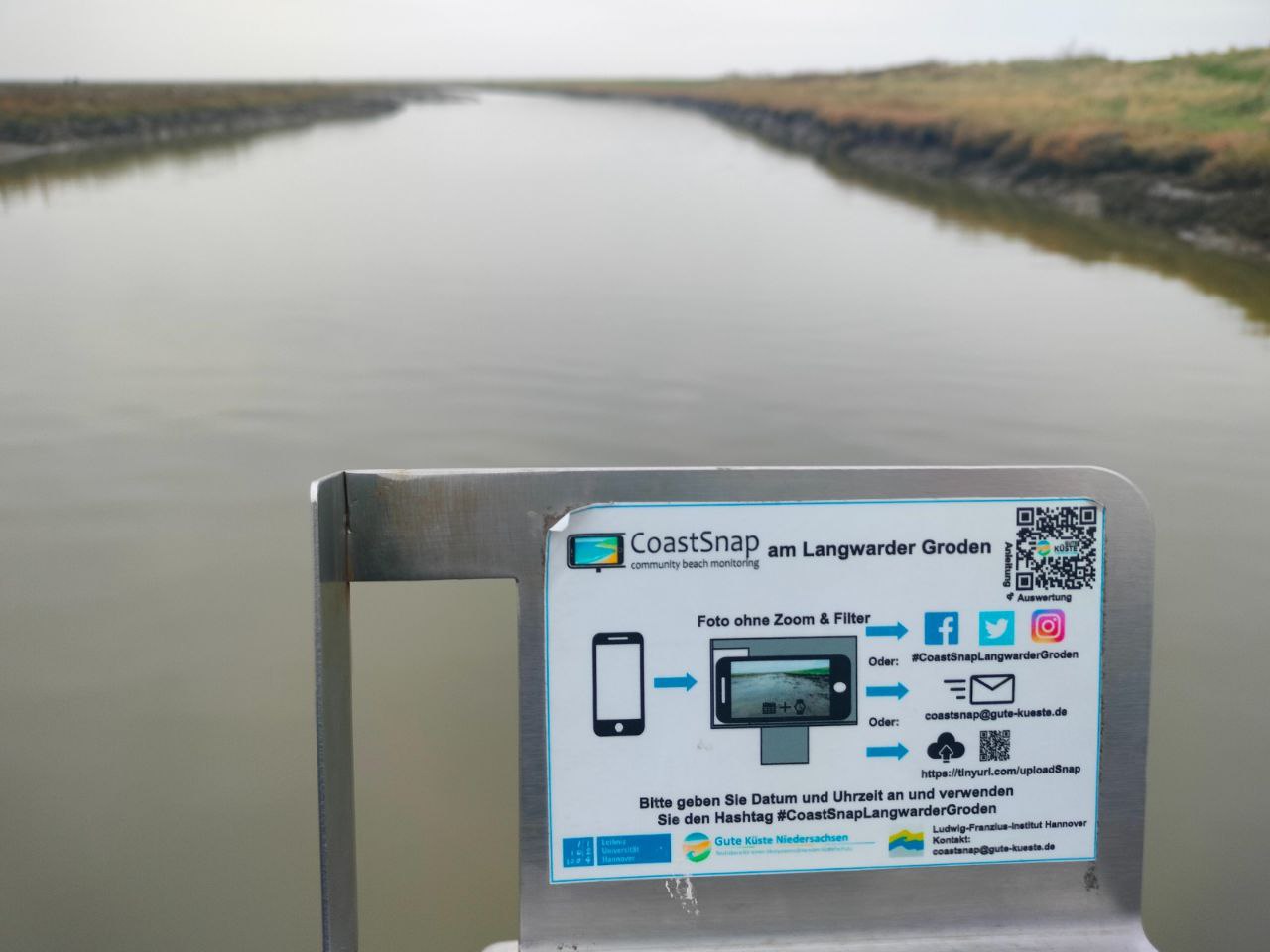
But not only. Tourists are driven to become an active part of the Citizen Science project “Gute Küste Niedersachsen”, immortalizing the landscape – in constant change due to the tides – and sharing the photos with the researchers.