
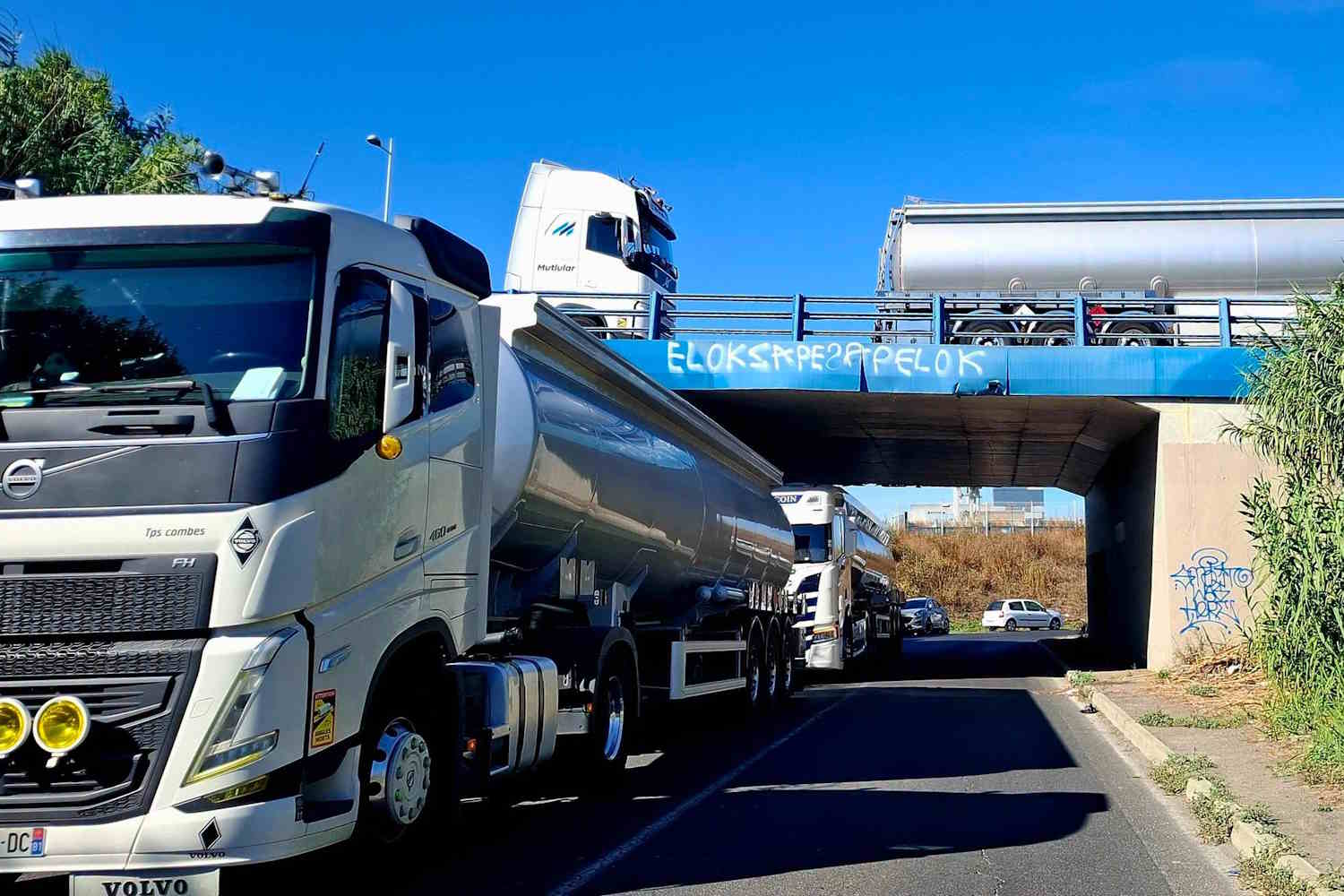
Hundreds of French fishermen have taken to the streets in recent days to protest against the increase in fuel prices, the increasingly high costs of fishing and some European regulations which, according to the category, would make it increasingly difficult to work at sea.
The mobilization mainly involved Mediterranean fishermen, with blockades in Fos-sur-Mer, Sète, Frontignan and other ports on the southern coast of France.
Together, they managed to block the Frontignan oil depot, in Hérault, where hundreds of operators temporarily prevented access to the tanker trucks.
“We can’t work anymore”
At the center of the protest is above all the cost of diesel, one of the main expenses for professional fishing. The category reports an increasingly difficult economic situation, with reduced margins and increasing operating costs. In fact, fuel has a particularly heavy impact on the profitability of fishing vessels: according to fishermen’s organisations, some large trawlers can consume thousands of liters of diesel fuel every week.
In March 2026, the French Government had already announced measures to support the supply chain precisely due to the increase in energy prices, underlining how fishing was among the sectors most exposed to the volatility of fuel costs.
The European West Med plan is also in the crosshairs
The protest isn’t just about fuel. Fishermen also contest some restrictions under the European West Med plan, the program that regulates fishing effort in the western Mediterranean. According to trade associations, limitations on days of activity and fishing methods risk further reducing the profitability of companies.
The European institutions, however, consider these measures necessary tools to protect fish stocks and promote more sustainable management of marine resources.
After days of mobilization, the representatives of Mediterranean fisheries met with the French Fisheries Minister Catherine Chabaud and the Government announced new support measures, including the strengthening of fuel aid, the acceleration of payments of the sums already foreseen and financial instruments to help companies in difficulty.
Meanwhile, the French protest cannot fail to bring a broader theme to the fore: how to make the future of fishing compatible with the protection of marine ecosystems and the economic survival of coastal communities.
France is the second European producer of fishery products after Spain: in 2024 it recorded around 477 thousand tonnes of fish and shellfish caught, an almost stable figure compared to the previous year.
On the one hand there are the environmental needs linked to the conservation of the sea and the reduction of pressure on fish stocks; on the other, the difficulties of a category that reports growing costs and growing regulatory complexity. The discussion between fishermen, the Government and Europe will therefore be decisive to understand what balance it will be possible to build between environmental sustainability and the economic sustainability of fishing.
Sources: AFP / Le Monde
