
Spain offers wonderful destinations, many of which are still little known to the general public. We have collected for you five proposals to avoid mass tourism in the summer months, 5 destinations belonging to the so-called slow tourism that will make you feel like authentic travellers, immersed in genuine experiences and away from the crowds.
La Graciosa Island
La Graciosa is the smallest island in the Canaries and is a paradise for those seeking tranquility and uncontaminated nature. White sand beaches and turquoise waters distinguish the island, which is free of asphalt and pollution, making it a true traveller’s paradise. With just over 700 inhabitants, La Graciosa is perfect for those who want an authentic experience away from the chaos.
The island enjoys a pleasant climate all year round, great for exploring its volcanic landscape and enjoying its beaches. With an area of 29 square kilometers, La Graciosa is protected and part of the Chinijo Archipelago Natural Park, which is home to the largest marine reserve in Europe. You can easily explore it on foot or by bicycle through four main itineraries.
The beaches of La Graciosa represent its hidden treasure, with white sand and clear waters, perfect for snorkelling. Among the most famous we can mention La Cocina, Las Conchas and La Lambra, ideal for swimming and relaxing, while the more popular La Francesa and La Laja beaches are perfect for families.
In addition to the beautiful beaches, La Graciosa offers diving and catamaran excursions. The local gastronomy, based on fresh fish accompanied by “papas arrugadas” and “mojo”, is another unmissable attraction. The island can be reached in half an hour by boat from Lanzarote, with regular connections between Órzola and Caleta de Sebo, and once on the island, you can get around on foot, by bicycle or by 4×4 taxi, as the roads are not asphalted and vehicle circulation is limited.
Adventure tourism in the Aragonese Pyrenees
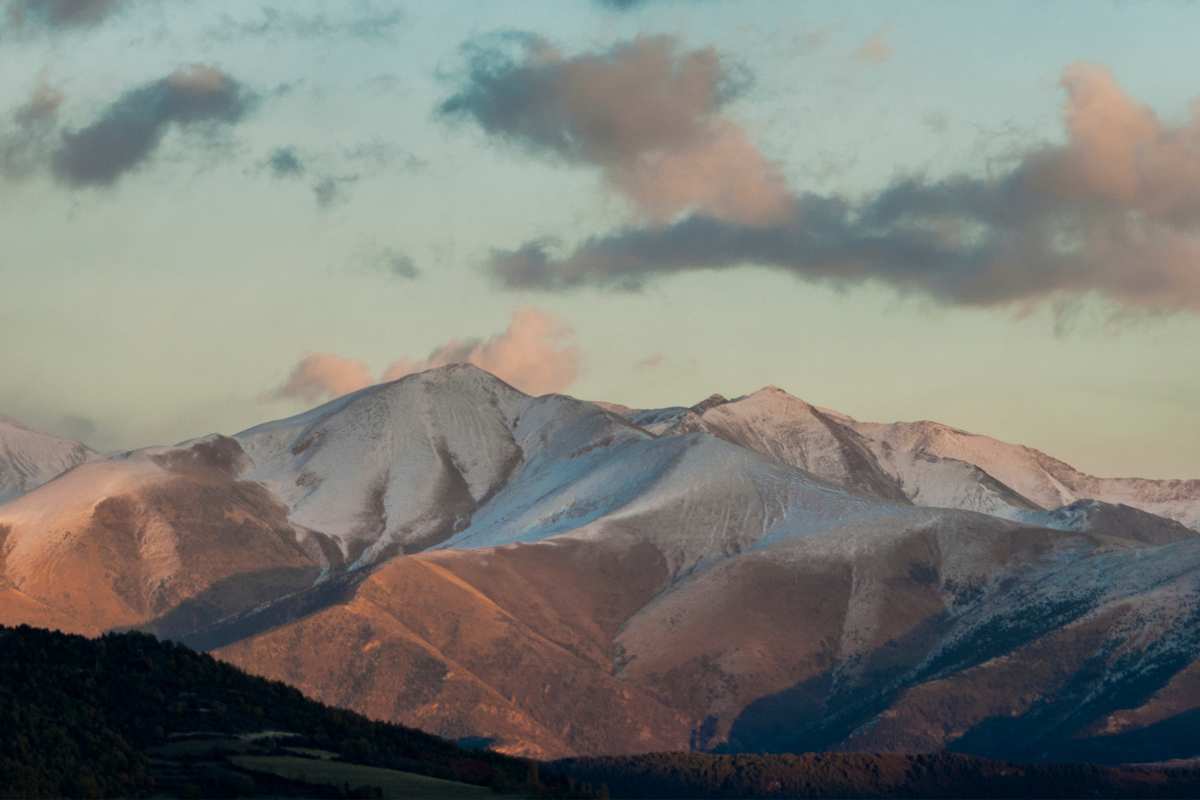
The Aragonese Pyrenees offer a wide range of mountain activities for all levels. Whether you are a beginner or a veteran, you can free yourself from daily stress with experiences such as canyoning, descending suggestive gorges such as the Viandico or Gloces canyon. The canyons in question offer natural slides and crystal clear water pools, perfect for cooling off during hot summer days.
The generous rivers of the Aragonese Pyrenees are ideal for rafting. With the help of professional guides, you will be able to face the strong currents of the Ara or Ésera rivers, admiring incredible landscapes and living unforgettable experiences. The mountain range offers several hiking trails, such as those leading to the Aigualluts waterfalls in Benasque or along the Lanuza Basin nature trail in Sallent de Gállego.
For climbing lovers, the Aragonese Pyrenees offer numerous via ferratas, such as the Sorrosal route, famous for its waterfalls and caves, or the Foradada del Toscar route. After so much adventure, you can visit the villages of the Aragonese Pyrenees, such as Aínsa, a medieval town in the Sobrarbe region, or Alquézar, in Somontano de Barbastro, and Hecho, famous for its popular architecture.
Discover the province of Zamora
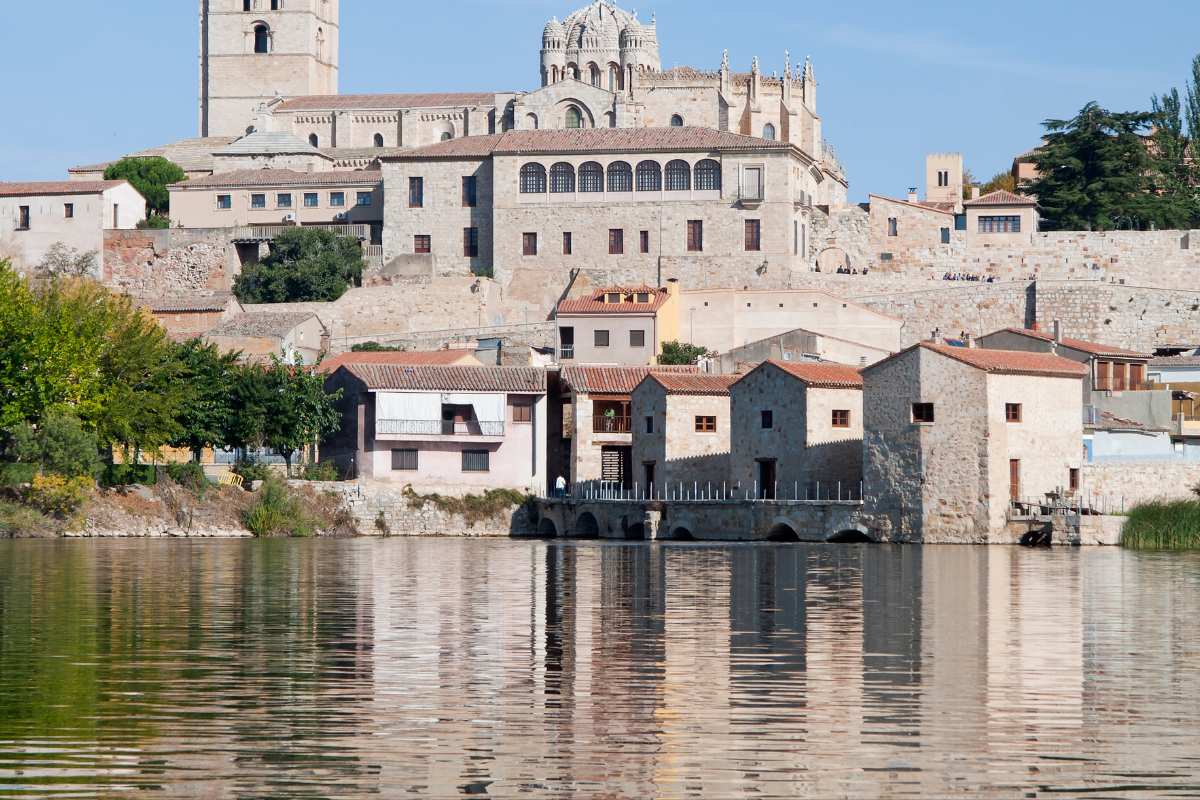
The province of Zamora, located in the northern hinterland of Spain, in the region of Castile and León, embodies the perfect summer destination, offering a varied landscape, which includes reliefs such as the Sanabria Lake Natural Park, perfect for hiking and summer relaxation. During the summer, it is possible to visit the artistic heritage of places such as Toro, Benavente and the city of Zamora, famous for its displays of Romanesque art.
Zamora is part of several cultural itineraries, including the famous Silver Route. The typical gastronomy of Zamora is an experience not to be missed, with specialties such as Zamoran cheese and Aliste fillet. Another unmissable destination is Fermoselle, located in the Arribes del Duero Natural Park, a village where you will find spectacular views of the green landscapes of the Arribes del Duero and well-preserved displays of popular architecture.
In summer, trekking lovers can explore various itineraries in the natural park. The gorges traced by the Douro river, with differences in height of 500 metres, are the deepest in all of Spain, and the microclimate of the area, similar to that of the Mediterranean forest, is home to rich fauna, including golden eagles and black storks.
To explore the Arribes del Duero, the car is the best choice, with numerous routes to follow on foot or by bicycle, such as the GR 14. Don’t forget your camera to capture the spectacle of panoramic points such as the Mirador del Fraile and the Pozo de los Humos. Lake Sanabria, located in the northwest of the province, is the largest glacial lake on the Iberian Peninsula and a perfect summer destination for hiking. Surrounded by rich vegetation and fauna, the park offers coolness and natural beauty, while Puebla de Sanabria, with its medieval castle and historic walls, is another location of great interest for a summer visit.
Popular architecture and diving in La Vera

La Vera is a hidden charm in the province of Cáceres, rich in traditions and architectural beauty. Walking among its nineteen municipalities is like taking a dive into the past, with five of them declared Historic-Artistic Complexes. Pasarón de La Vera, located in the far west of the comarca, offers a fascinating historic centre, with streets that seem to tell ancient stories. Valverde de la Vera, with its cross layout and lively squares, invites you to explore hidden and historic corners such as the Fuente de los Cuatro Caños and the Plaza del Rollo.
In 1978, Garganta la Olla was recognized for its stunning wooden architecture and well-preserved stately homes, while in Villanueva de la Vera, magic is found in the streets lined with wooden, brick and stone buildings, perfect for a relaxing stroll.
Cuacos de Yuste is another gem, with three squares not to be missed: John of Austria Square, Spain Square and Chorros Square, each with a unique and fascinating atmosphere. The Yuste Monastery, the cultural epicenter of the region, deserves a special visit for its historical importance and beauty that distinguishes it.
During the summer, La Vera transforms into a refreshing paradise thanks to the various natural gorges present. La Garganta de Cuartos and Garganta de Alardos offer natural pools perfect for a regenerating dip, while La Garganta Mayor in Garganta la Olla, with its natural pools, is a real sight not to be missed.
And for nature lovers, the Paraje de las Olla in Cuacos de Yuste, with its rock formations sculpted by time and the Roman bridge, is a must, while La Vera is a place where history meets nature, for an unforgettable and complete summer experience.
The gastronomy of the region is another reason to fall in love with this place. The famous pimentón de La Vera, a smoked paprika with a unique taste, is the protagonist of many traditional dishes. Local cheeses, such as Queso de La Vera, and local wines are also delicacies worth trying. La Vera’s cuisine, full of intense flavors and local ingredients, ensures a culinary experience that perfectly complements the discovery of this wonderful region.
Discovering the seaside villages of the Asturian east coast
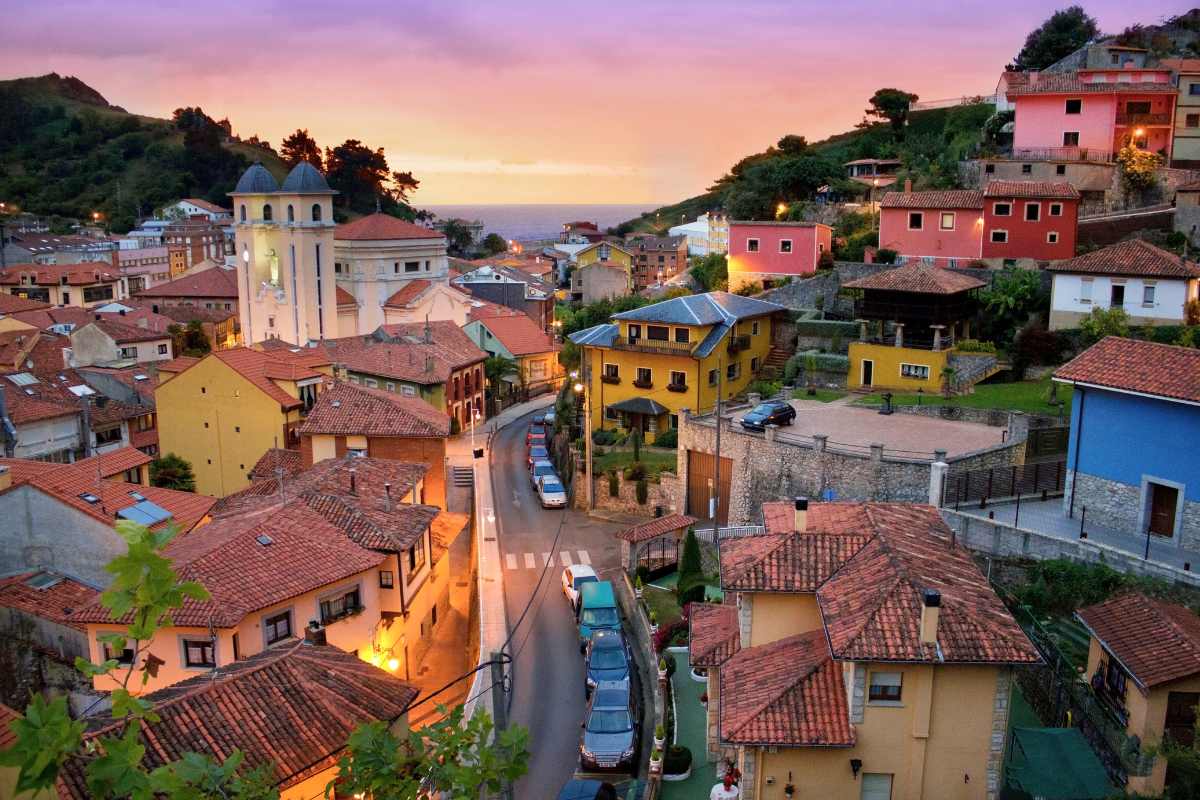
In the eastern part of Asturias, two seaside villages stand out among the others due to their purely authentic charm: Ribadesella and Llanes.
Ribadesella, framed between the majestic Picos de Europa and the Cantabrian Sea, is famous for the evocative canoe descent along the Sella river, an activity which, in addition to being the main event of an international festival in August, can be enjoyed throughout the year, for an experience that mixes sport, nature and local gastronomy. Among other attractions, the Tito Bustillo Cave and the Guía viewpoint invite you to immerse yourself in the maritime history of Ribadesella.
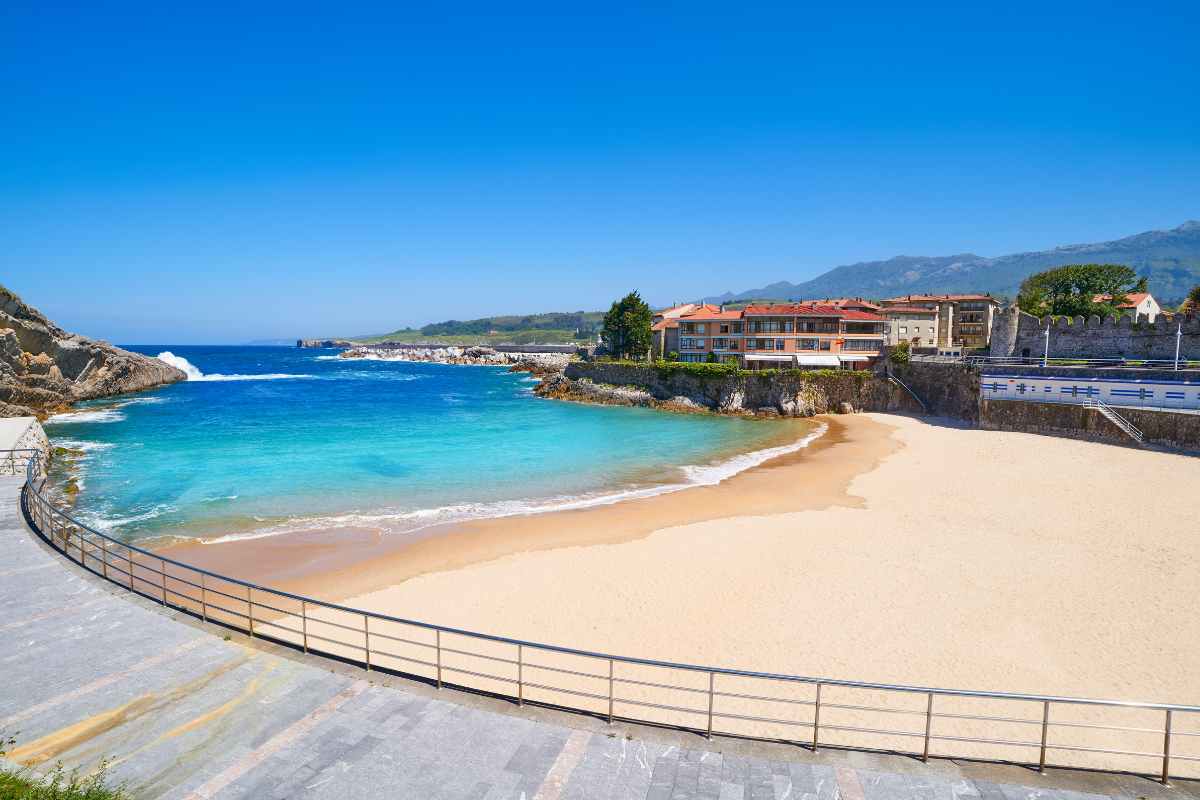
Llanes, just 30 kilometers from Ribadesella, welcomes visitors with the enormous colored cubes, breakwaters created by the artist Agustín Ibarrola. The historic centre, immortalized in around twenty films, invites you to discover cinematographic and maritime itineraries through beaches, the coast and a magnificent golf course overlooking the sea.
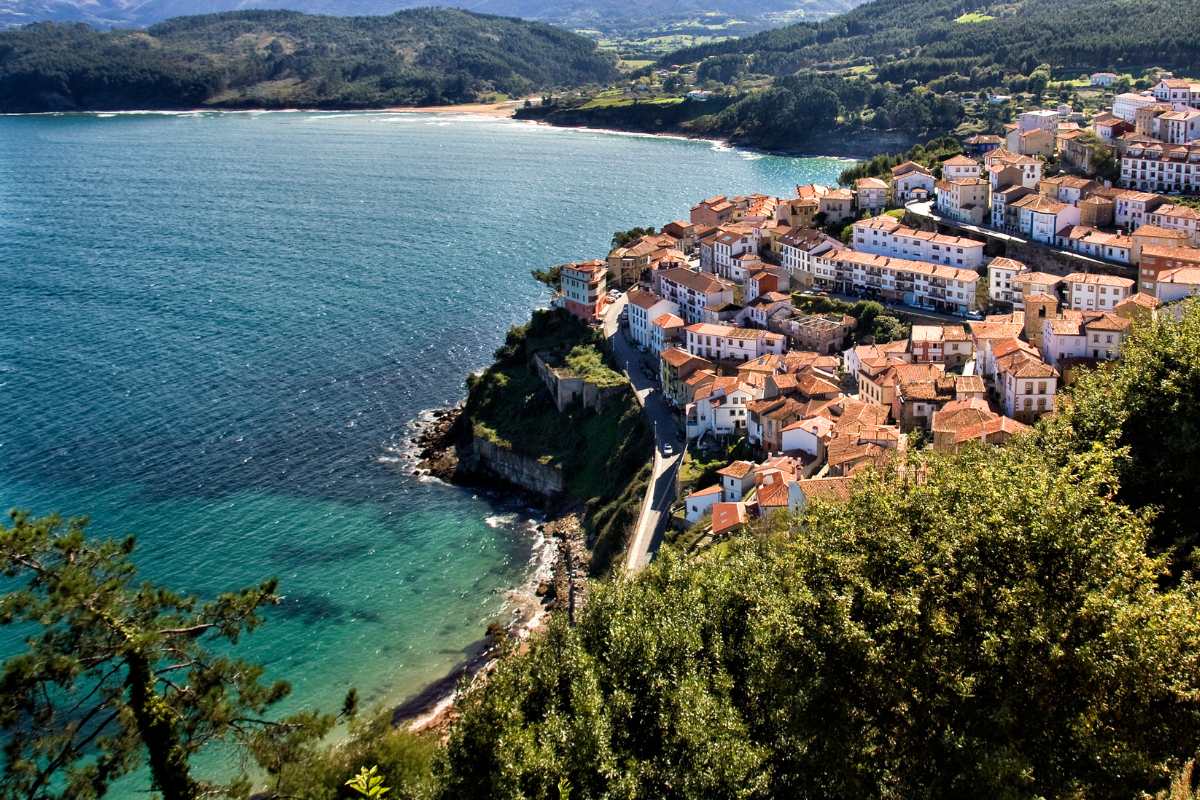
Nearby, the characteristic village of Lastres, in the municipality of Colunga, stands out for its natural beauty, so much so that it has received the prestigious recognition as one of the most beautiful villages in the whole of Spain: once dedicated to whale fishing and defended as a fortress against invasions, Lastres was awarded the title of Pueblo Ejemplar de Asturias by the Princesa de Asturias Foundation in 2010.
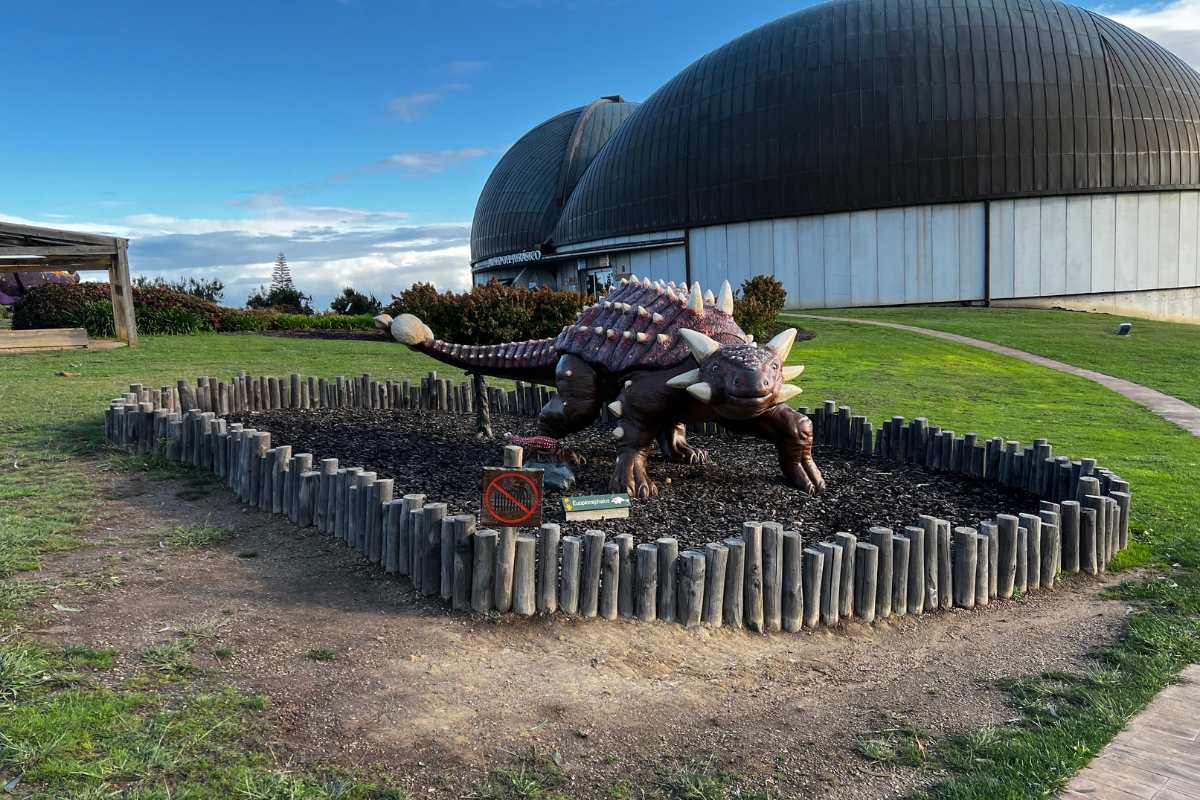
Near Lastres, the Museo del Jurásico de Asturias (MUJA), with its structure in the shape of a large three-toed dinosaur footprint, offers a complete and educational exhibition on the history of the Earth and its prehistoric inhabitants.
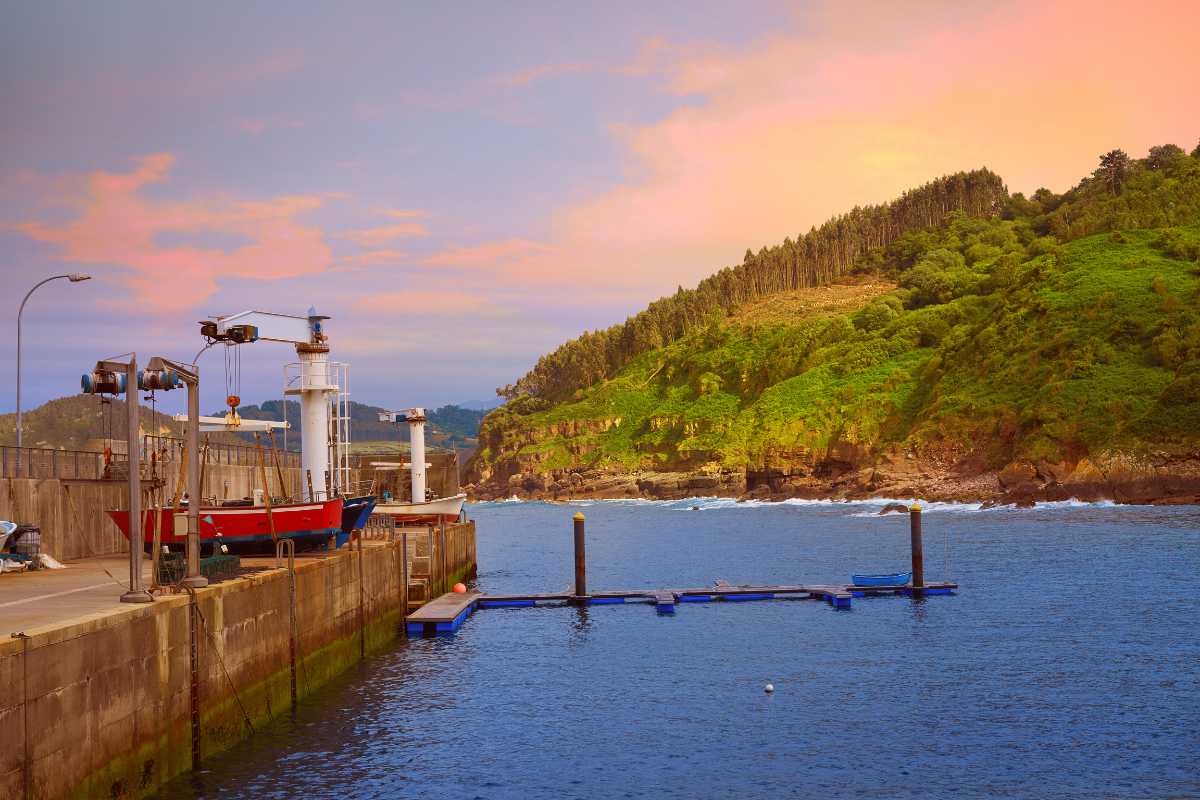
Tazones, declared a historic complex, is a small seaside village in the heart of the Comarca de la Sidra of the Principado de Asturias. Arriving in Tazones means taking a sensorial journey, where you can admire the contrast between the blue of the Cantabrian Sea, the green of the Asturian hills and the colorful fishermen’s houses
which overlook the slopes of the village. Tasting the culinary delights of fish and seafood in its numerous restaurants is an authentic experience, accompanied by the sea breeze and the call of the seagulls that follow the fishermen returning to port with their daily catch.
