
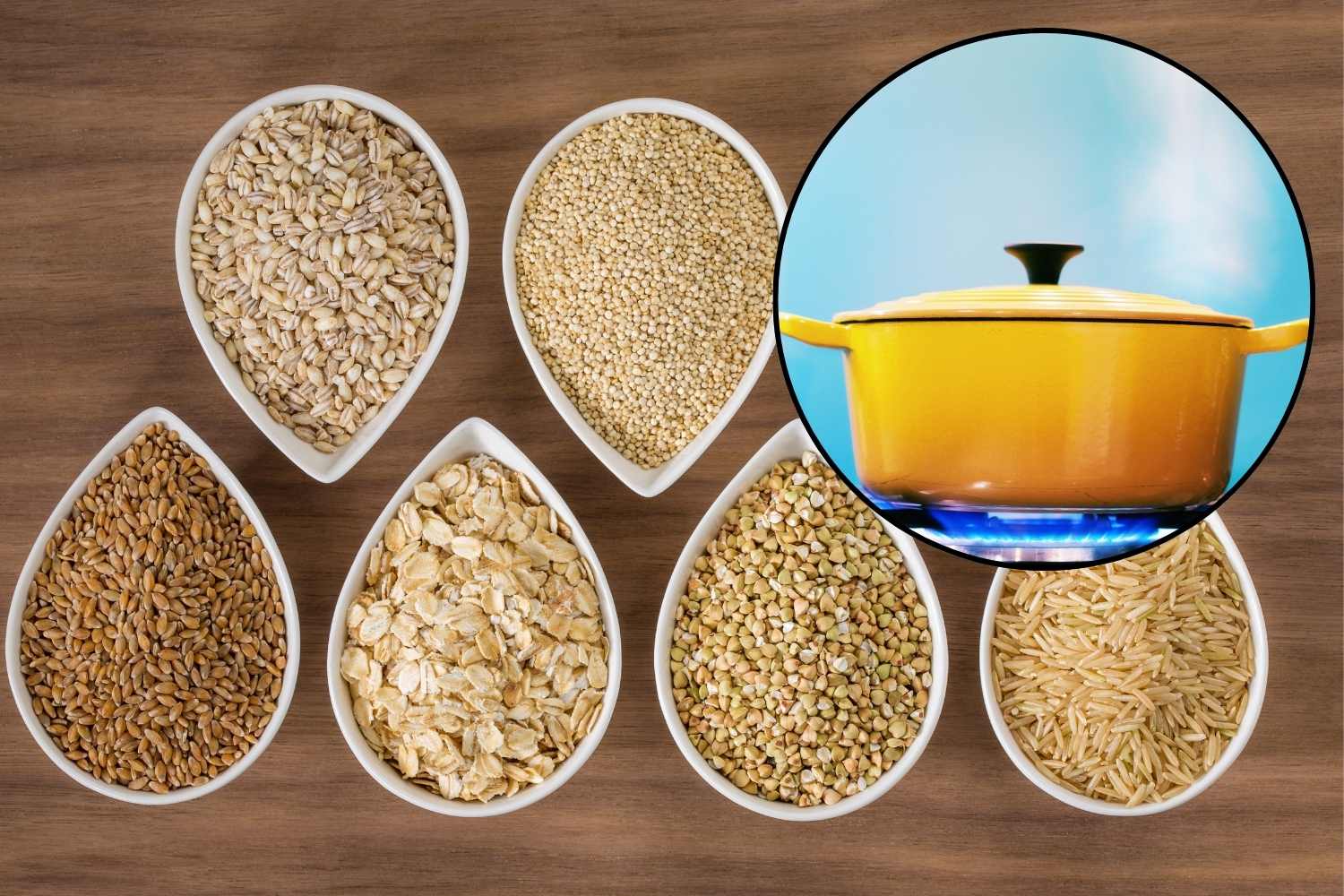
We are used to filling our dishes with white pasta and refined bread, often forgetting that there is a whole universe of cereals that should not only be rediscovered, but also consumed much more often. Full rice, spelled, barley, quinoa, buckwheat: each with its history, its taste, its beneficial properties. But be careful: cooking also makes the difference.
There Dr. Silvia Petruzzelli, nutritionist biologist, He recently shared a very useful post on Facebook in which he explains How to cook these cereals in the best way to preserve their nutrients. The secret? Cooking for absorption.
Cooking for absorption: what it is
Wholemeal cereals are a precious source of fiber, B vitamins, minerals such as magnesium, zinc and iron, as well as containing less simple sugars than refined products. They contribute to better intestinal health, help to control blood sugar and increase the sense of satiety. But to really benefit from all these properties, we must learn to cook them well.
We then talk about cooking for absorption which, unlike the traditional one in abundant water (which is then drained, taking water -soluble vitamins and mineral salts), is a more delicate and nutritionally advantageous method. It consists in cooking cereals in a thick pot, with a lid, on a very slow heat, using a quantity of water or precise broth, which will be completely absorbed at the end of cooking. Ideal is the use of a cast iron spread -up to keep the flame constant and very low.
Here’s how you do it, step by step:
When cooked, the water will have been completely absorbed and the cereal will be cooked and tasty.
Soak yes or not?
Some cereals such as barley and spelled spelled benefit from a preliminary soaking, which can also last all night. In this case, do not throw the soaking water away: use it for cooking. Just rinse the cereal and soak it with the right amount of water (which you will then use to cook it). Any impurities that go up to the surface can be eliminated with a slotted spoon before salt and cover.
Indicative cooking times
The nutritionist’s advice is to set a timer and not open the lid or mix during cooking.
To facilitate the organization of meals, you can cook a greater amount of cereals and keep them in the refrigerator in an airtight container for 3-4 days. An additional trick? Add UMeboshi plum, which helps prolong its conservation thanks to its antibacterial properties.
But be careful: once cooled, they should be immediately put in the refrigerator to avoid the proliferation of the Bacillus Cereus, a bacterium responsible for food poisoning.
