
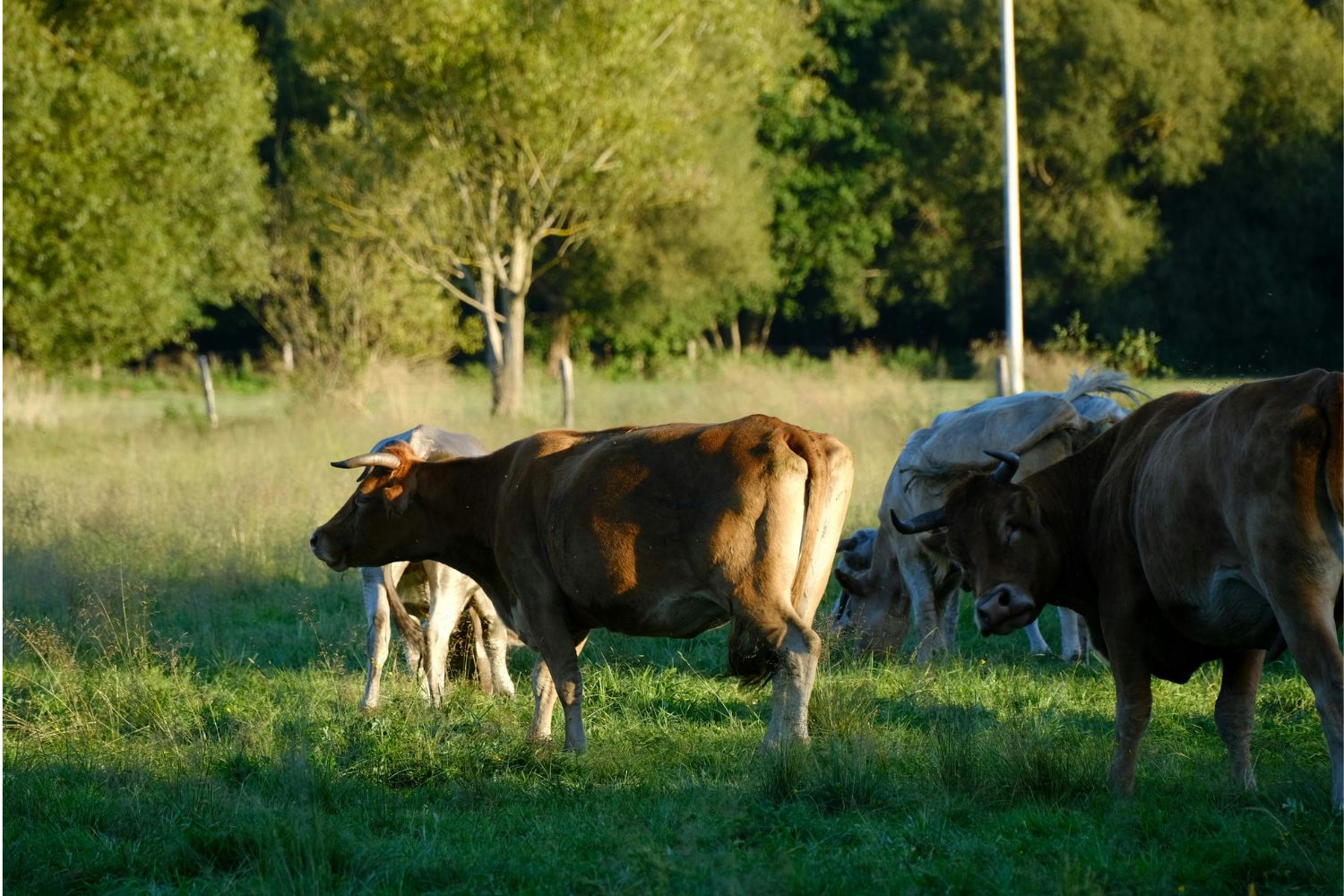
“For the maintenance of public safety and road safety“Thus the Lazio Region launches a public notice for the granting of funds to those municipalities that intervene in their territory with”Refrelving home species samples, through control activities (capture and felling)“.
That’s right: the expected allocation is equal to 600 thousand and the aim will be to capture and kill pets in freedom in order to “limit damage to agriculture, protect biodiversity and reduce health risks“.
The presence of recessed domestic ungulates, mainly not controlled cattle and horses, in addition to negatively impacting the livestock, agricultural and forestry productions represents a concrete threat to public safety – reads in fact in the opinion. The problems related to the presence of ungulates inhelvaticiitis can also include damage to crops and the forest environment, transfer of pathogens from livestock to man, negative impacts to habitats, alteration of ecosystems, road accidents, direct and indirect damage to people and possible contamination of water resources.
A matter of responsibility never addressed
The choice to finance demolished highlights years of failure to control actions, animal rights activists arise. The Lazio Region, through local healthcare companies, is required by law to monitor the state of health and the breeding conditions of animals, as well as guaranteeing compliance with animal welfare rules. The growing presence of cowhols and vagant horses is the result of years of abandonment, lacking management, insufficient controls and unloading of responsibilities between local authorities.
The same regional measures cite the spread of clandestine slaughter as one of the causes that have contributed to generating this phenomenon. A problem known for some time, aggravated by the failure to supervise breeders, by the weakness of health checks and by administrative inertia. Animals considered today “wild“They are often ex -servants left without custody and without protection, first by those who should have dealt with it and then from the competent institutions.
Now, on the other hand, cattle and horses a time, abandoned first by those who would have had to look after them and then by those who would have to protect them, risk being killed because they are classified as “recessed”, erasing the responsibilities of those who abandoned them or who should have managed them, say from Lav.
Critical issues in regional measures
According to animalistic associations, the guidelines and the determines with which the Region has ordered the loan present significant gaps. There are no preventive measures or non -bloody control methods to be implemented before resorting to reducing. The involvement of ISPRA is also missing, provided for by law, and an in -depth analysis of environmental impacts or consequences on local biodiversity is not provided.
The criteria for identifying the areas of intervention, the method of selecting animals or operational plans to guarantee transparency and traceability of the actions are not clear. This approach, according to the associations, risks transforming bad management over time into a systematic elimination of animals, rather than on one occasion to deal with the root problem.
These cattle and horses were abandoned first time by breeders, and a second by the institutions that should have dealt with it. Now they risk paying errors accumulated over time with life.
The free animals in the area are publicly owned and the protection is due to them, not the death sentence. Instead of “donating” 600,000 euros to those who kill free animals in the area, the Lazio Region could use them to build a public sanctuary and finally protect those animals that she should have controlled at the time.
And now Lazio’s decision risks creating a precedent: that of using public money not to prevent and manage in a sustainable way, but to eliminate “excess” animals resulting from bad management. Instead of dealing with the causes at the root – not controlled farms, lack of vigilance and abandonment – the fastest and most bloody way is chosen.
An approach that, in addition to being ethically questionable, does not solve the problem in the long run and opens serious questions about the role of institutions in the protection of animal welfare and responsible management of the territory.
Sources: Lazio / LAV Region
