
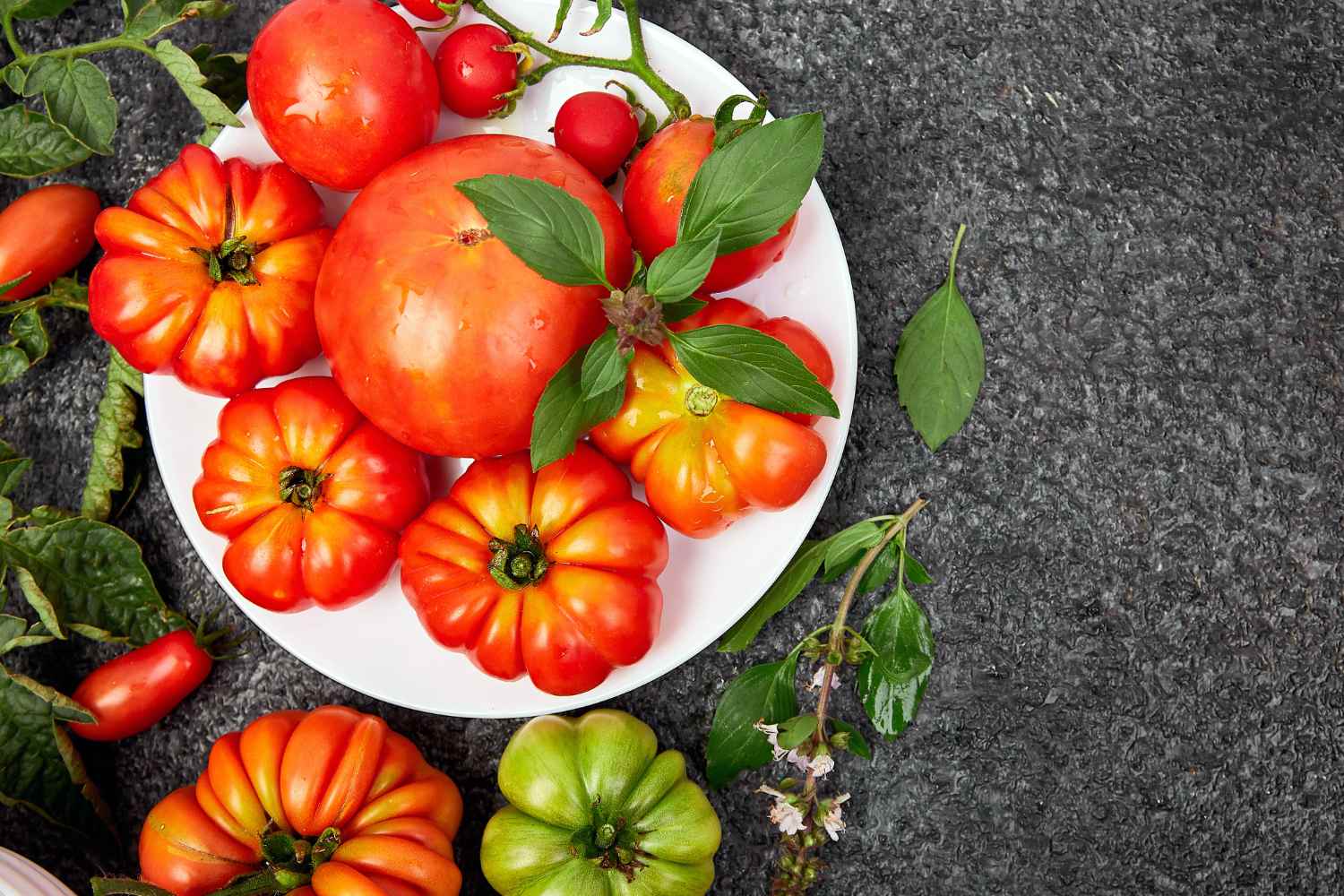
Tomato is the true king of summer vegetables, the undisputed symbol of the Mediterranean diet that puts chefs and nutritionists. This precious fruit of the Earth not only gives flavor to our dishes, but also brings numerous health benefits thanks to its content of free anti -radical minerals such as zinc and selenium, antioxidant vitamins A and C, soluble fibers and the precious Tomatin.
The presence of lycopene, a powerful antioxidant concentrated in the peel, makes the tomato a formidable ally in the prevention of tumors and cardiovascular diseases. To maximize the absorption of lycopene, it is advisable to consume cooked and seasoned tomatoes with extra virgin olive oil, since the heat and fats favor their assimilation.
Yellow tomato
The yellow tomato was one of the first varieties to land in Europe and represents a refined alternative to the classic red. Characterized by a sweet and delicate flavor, this tomato contains high quantities of sugars, beta -carotene and vitamins, even if it has a lesser concentration of lycopene compared to red varieties. Its golden color must not deceive on maturation: even when completely ripe it maintains its characteristic yellow shade.
How to use yellow tomato in the kitchen
The yellow tomato is perfect for refined preparations where you want a sweeter and less acidic flavor. Its characteristics make it perfect also for delicate sauces to combine with pasta with ricotta filling or fresh cheeses.
Heart of ox
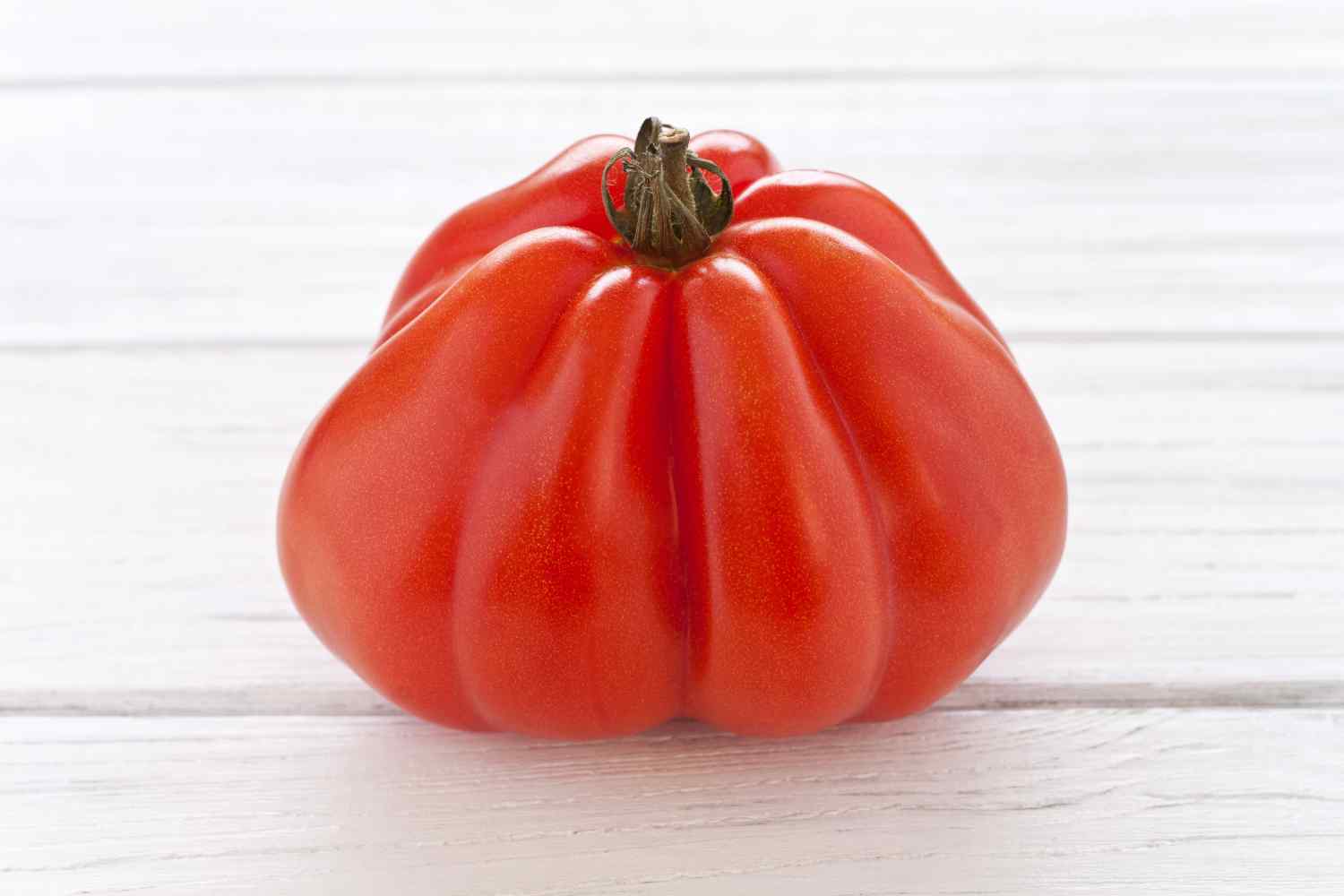
The heart of ox is considered the Lord of the tomatoes, the most valuable of all the varieties. Its characteristic shape, large and ribbed, contains a fleshy and tasty pulp that derives from a perfect balance between sugars and citric and malic acids. This variety is so tasty that it can be appreciated even without any seasoning, testifying its superior quality.
How to use the heart of ox in the kitchen
Bue’s heart is the main ingredient of summer salads, where its consistent pulp and the intense flavor are expressed at its best. It is perfect cut into thick slices with fresh basil and buffalo mozzarella for an author caprese. Its consistency makes it ideal for the gazpacho and other cold creams, where it releases all its flavor without flaking. It can also be used for Gourmet Bruschette, where its natural sweetness goes perfectly with aromatic oils and fresh herbs. When cooking, it keeps the shape well and is excellent for stuffed tomatoes or for oven preparations.
Sardinian tomato or pampering
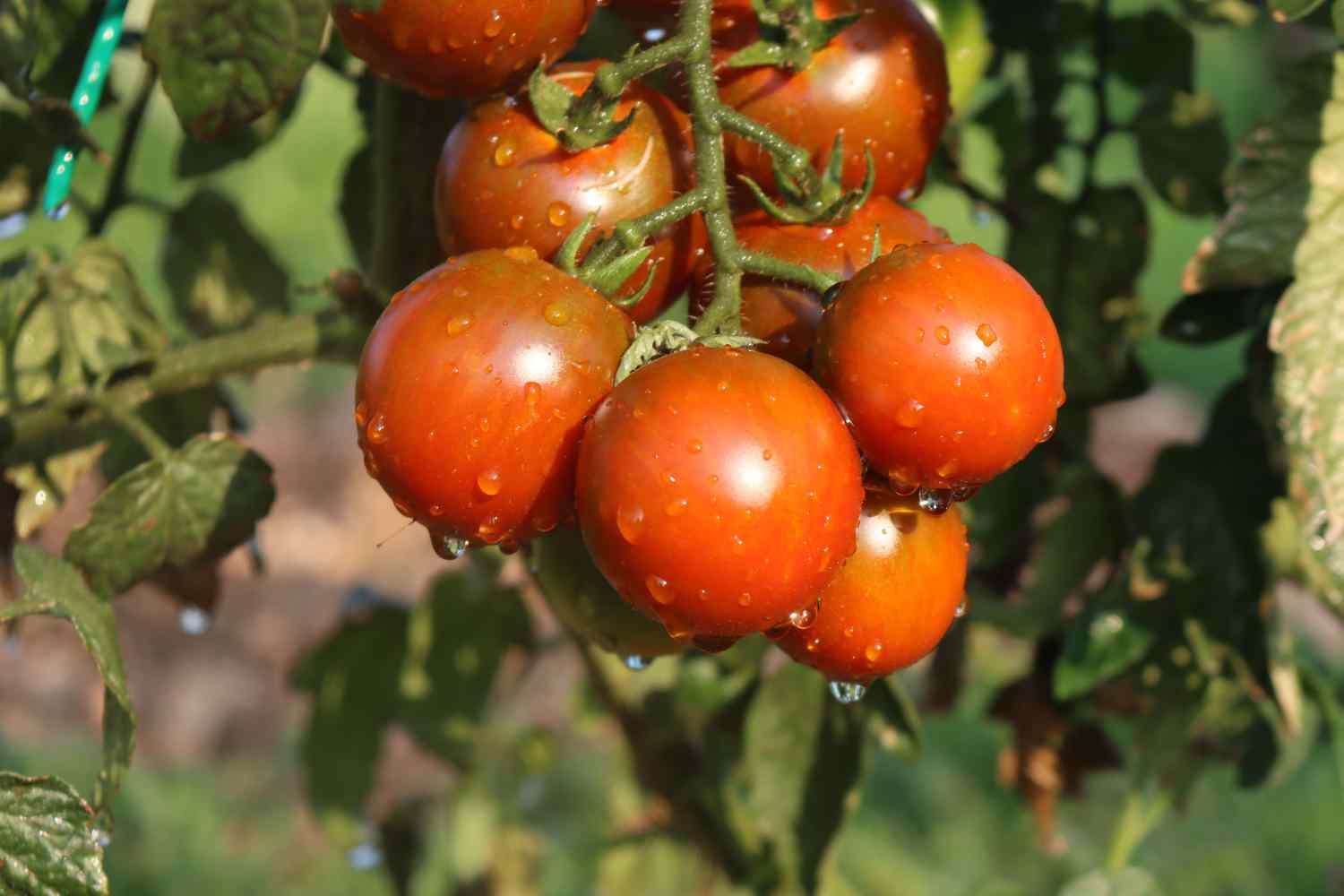
Sardinian tomato is the result of a recent selection that has led to the creation of different local varieties. Characterized by round shape and smooth peel, it has a chromatic range ranging from dark green to intense red to copper. Its taste is decided, tasty and sweet, with hints of acidity that make it particularly lively on the palate, even if this feature does not recommend it to those suffering from gastric problems.
How to use Sardinian tomato in the kitchen
Sardinian tomato is versatile and lends itself beautifully for both salads and sauces. Its natural acidity makes it perfect for the preparation of spicy sauces where it can be combined with chilli and garlic. In salads, its flavor is exalted with seasoned cheeses such as pecorino or caciocavallo. For those who love intense flavors, it can be used in preserves in oil or to prepare passes from the decisive taste that they are preserved for a long time while maintaining their organoleptic characteristics.
Pachin
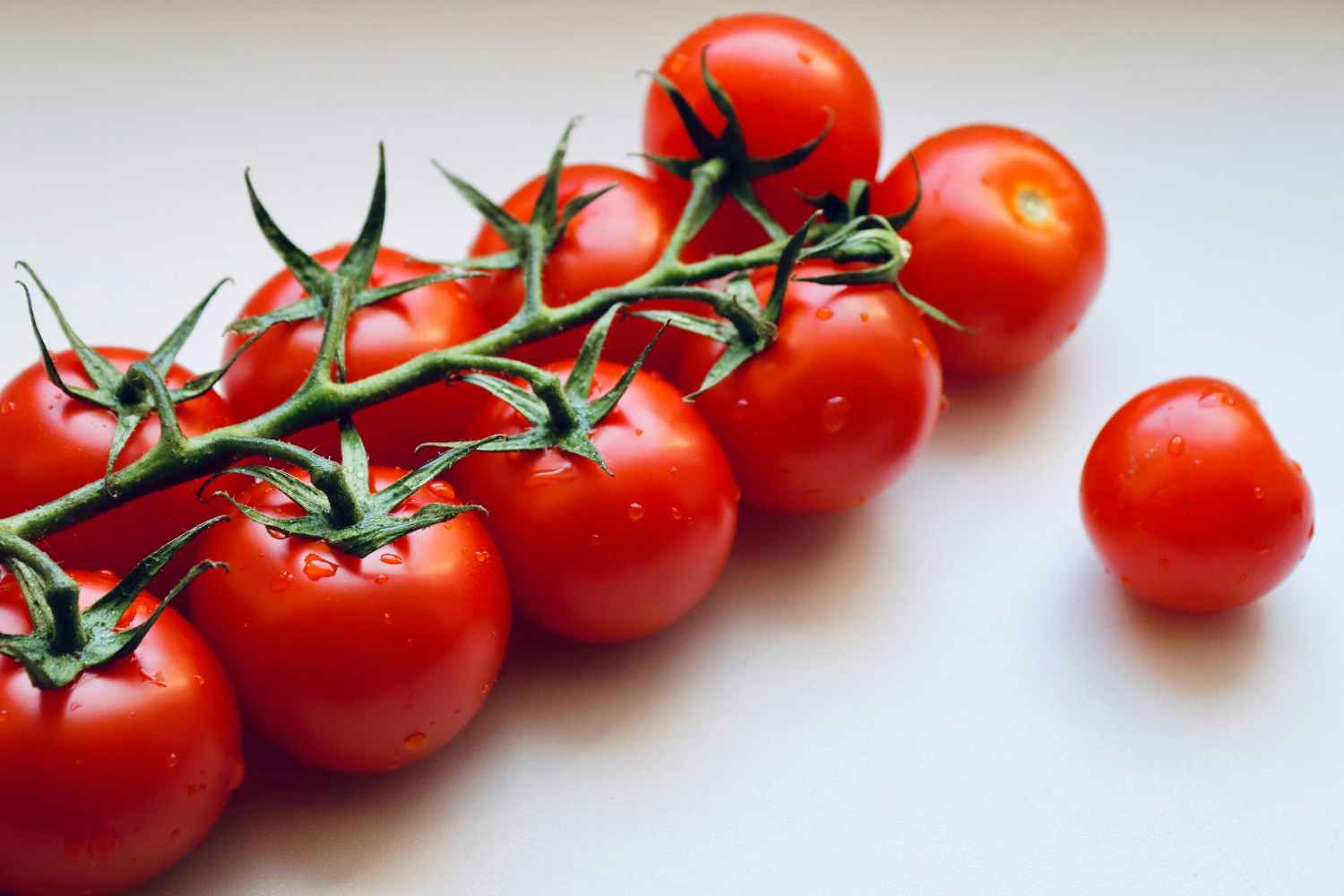
In its different, smooth, smooth, bunch or single variants, the Pachino represents the most appreciated and recognized variety with the PGI brand. This Sicilian variety is rich in minerals that favor the natural production of sugars, creating a perfect balance that contrasts acidity. This feature makes it particularly suitable for those suffering from gastritis, since it is more digestible than other varieties.
How to use Pachino tomatoes in the kitchen
The pachin is incredibly versatile and adapts to any type of culinary preparation. It is perfect for pasta with the norm, where its balanced flavor marries beautifully with aubergines and salted ricotta. The cluster varieties are ideal to be used whole in the pan, where they can be roasted with oil, garlic and oregano. The smaller pachins are perfect for aperitifs, served with olives and fresh cheeses. Their natural sweetness also makes them suitable for savory jams to be combined with seasoned cheeses or to be dried and stored in oil.
Salad
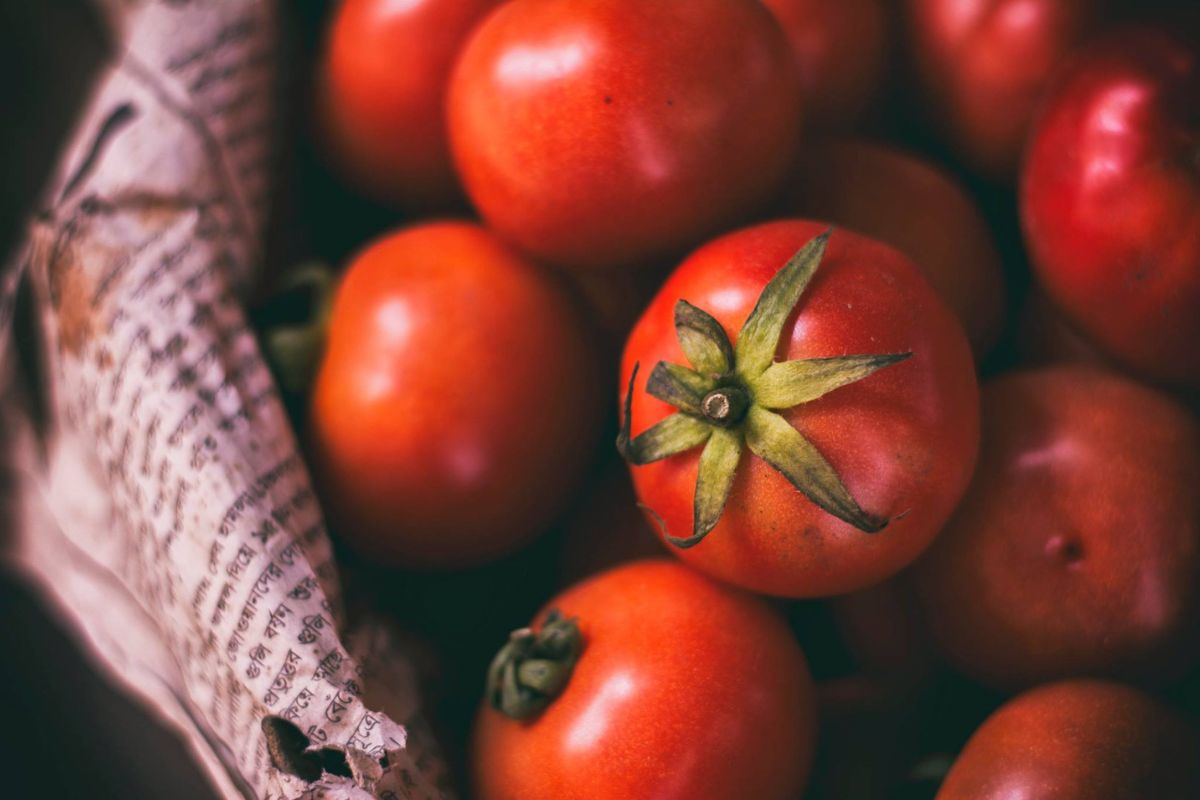
The salad tomato is distinguished by its round shape and the often pinkish color. Its consistency is slightly more fibrous than other varieties, a feature that derives from the high fiber content. Although it is rich in mineral salts, it has a lower content of lycopene and carotenoids than other tomatoes, and can be less digestible precisely because of the greater presence of fibers.
How to use the salad tomato in the kitchen
As the name suggests, the salad was born specifically for salads, where its fibrous consistency becomes a value, adding textures and substance to the dish. It is perfect in mixed salads where it can be combined with crunchy vegetables such as cucumbers and peppers. Its shape and consistency make it ideal to be stuffed with tuna, corn or other ingredients to create unique dishes. It can also be used to prepare more consistent gazpacho or to be grilled, where cooking softens the fibers making it more digestible while maintaining its characteristic consistency.
San Marzano
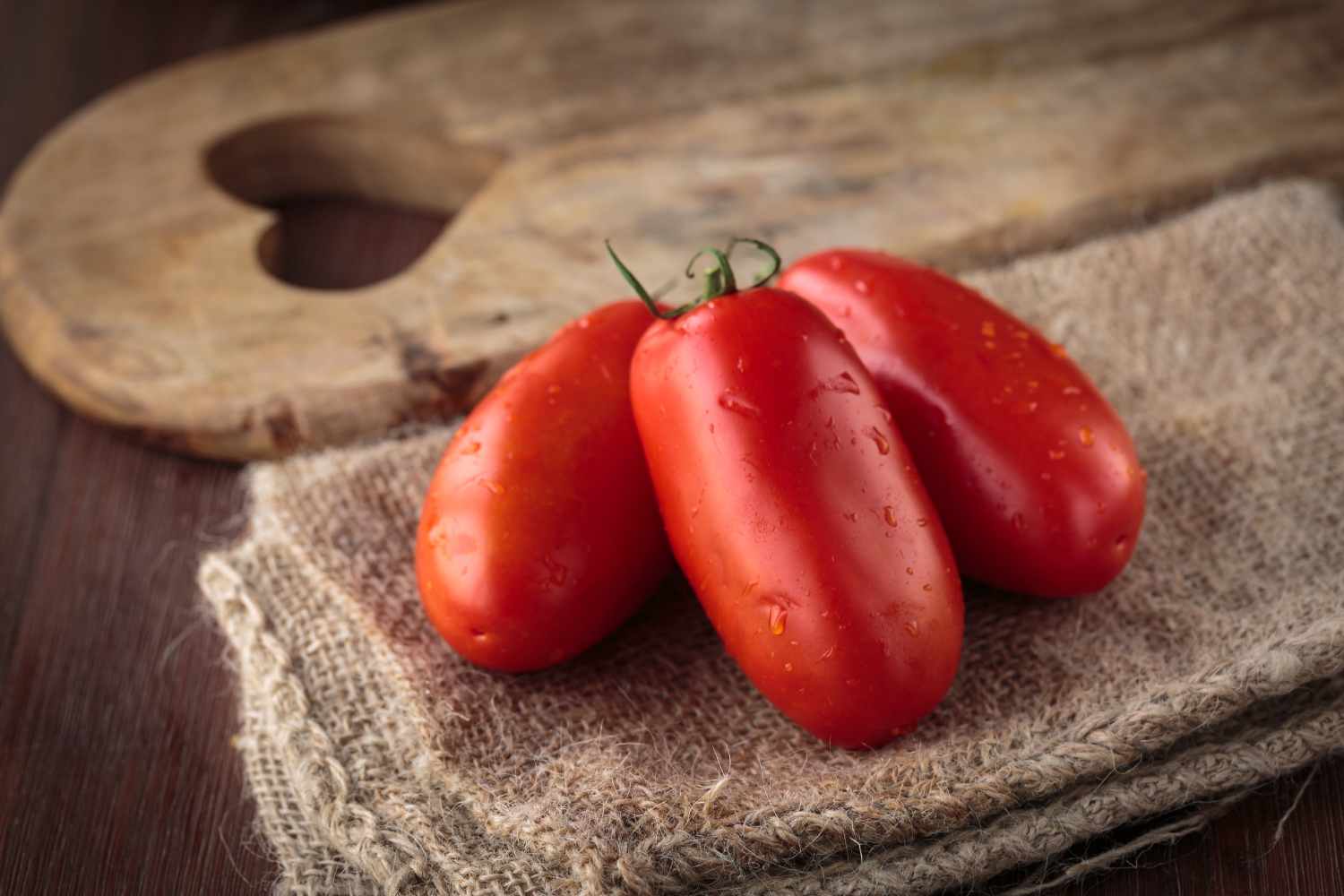
San Marzano is the sauce of sauce par excellence, saved from extinction thanks to careful recovery operations and selective crossings that earned him the DOP recognition. Characterized by a few seeds and a peel that is removed with extreme ease, it has a very tasty pulp and a perfectly balanced taste. Its elongated shape and the consistency of the pulp make it ideal for preparations that require prolonged cooking.
How to use San Marzano in the kitchen
San Marzano is irreplaceable for the preparation of high quality tomato sauces. It is the traditional tomato for the real Neapolitan pizza, where it is used as a base for the sauce that must not dominate the other ingredients. It is perfect for home preserves, past and peeled, where the ease of removal of the peel becomes a practical advantage. Its consistency makes it ideal also for stews and braised, where it accompanies meat that require long cooking.
Cherryin
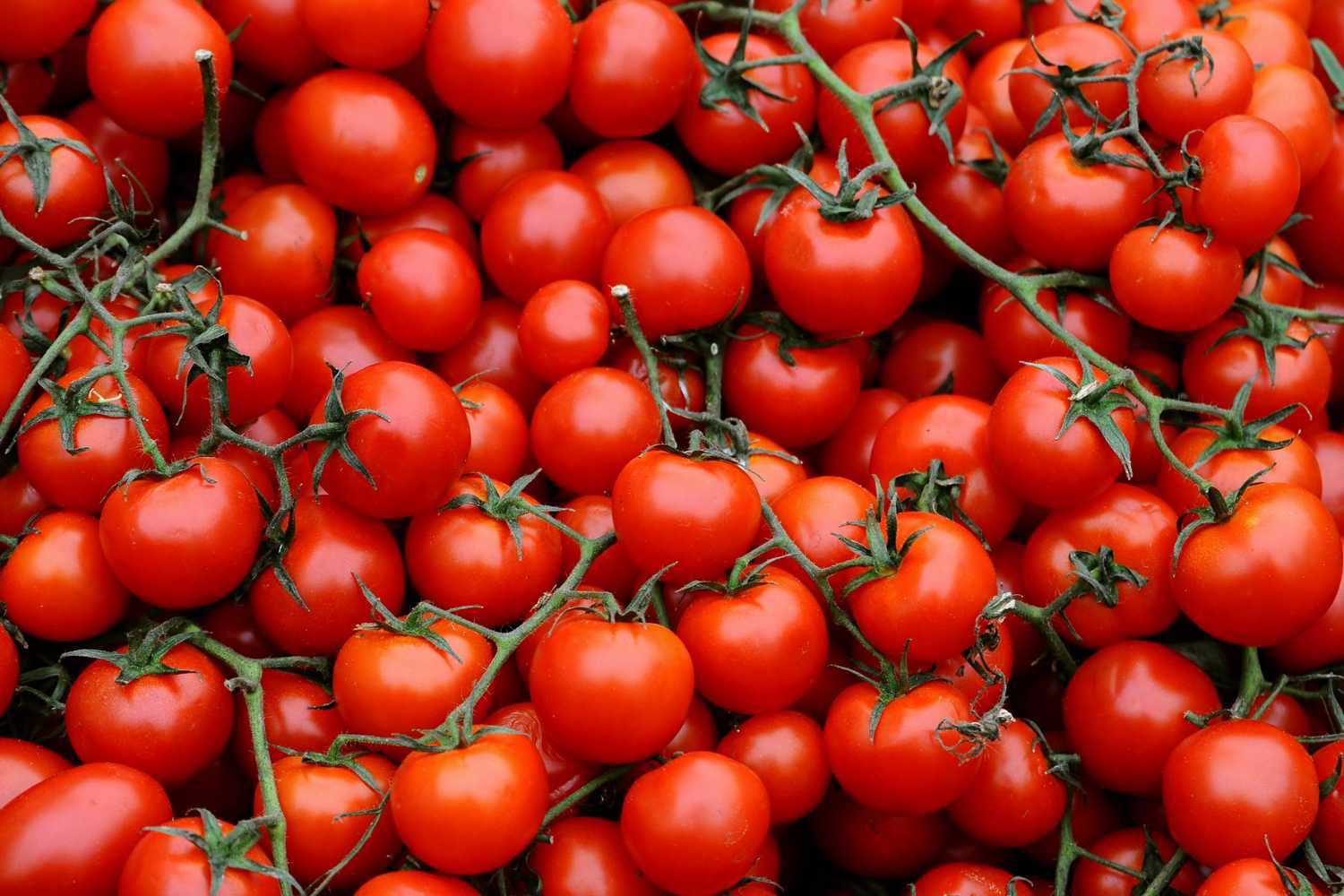
The cherry tomato, often identified with the pachin, has been an IGP product since 2003 whose disciplinary contemplates four different varieties. These small round tomatoes, the size of a cherry, are characterized by a sweet and intense flavor, with a thin but resistant peel that makes them perfect for fresh consumption. Their regular shape and the bright red color make them very appreciated both from an aesthetic and gustatory point of view.
How to use the cherry tomato in the kitchen
Cherries are perfect for aperitifs and appetizers, where they can be served entire with mozzarella and basil to create colored skewers. They are ideal in mixed salads, where they add sweetness and color without weighing down the dish. When cooking, they keep the shape well and are perfect for cold pasta and risotto. Their natural sweetness also makes them suitable for being dried or preserved in oil, keeping their organoleptic properties intact.
Datterino
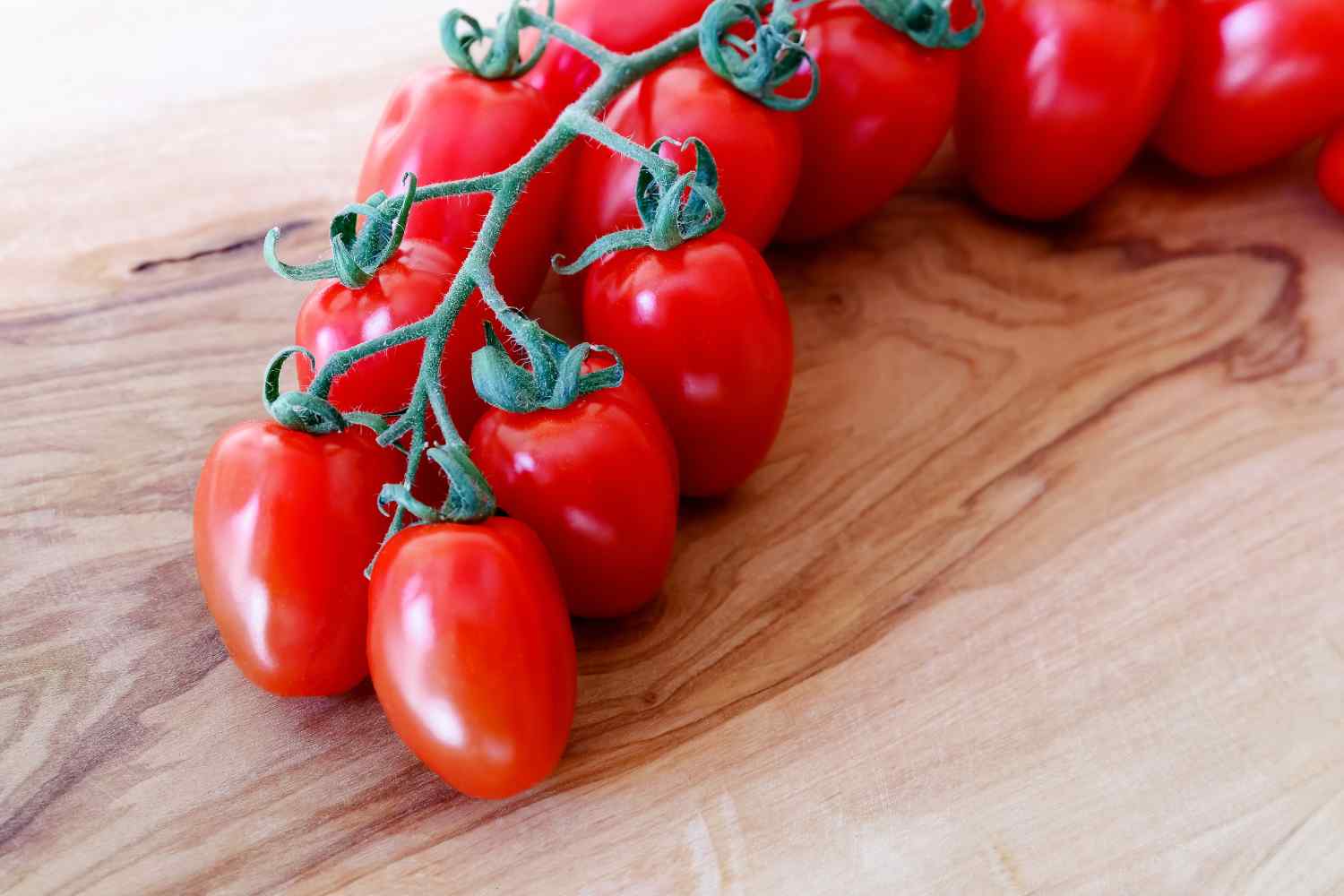
The datterino stands out for its elongated shape that recalls a date. This variety is particularly appreciated for its sweet taste and fleshy consistency. The yellow datterino has a particularly pronounced sweet taste, while the red variety maintains a perfect balance between sweetness and flavor. The peel is thicker than the cherryin, ensuring better conservation.
How to use the datterino in the kitchen
The datterino is perfect for the preparation of fast sauces, where its natural sweetness balances the acidity of other ingredients. It is ideal cut in half for bruschetta and croutons, where its elongated shape lends itself to beautiful presentations. In salads, it can be used whole or cut to create texture contrasts. Confit is also excellent, slowly cooked in olive oil with aromatic herbs, to accompany seasoned cheeses.
Florentine rib
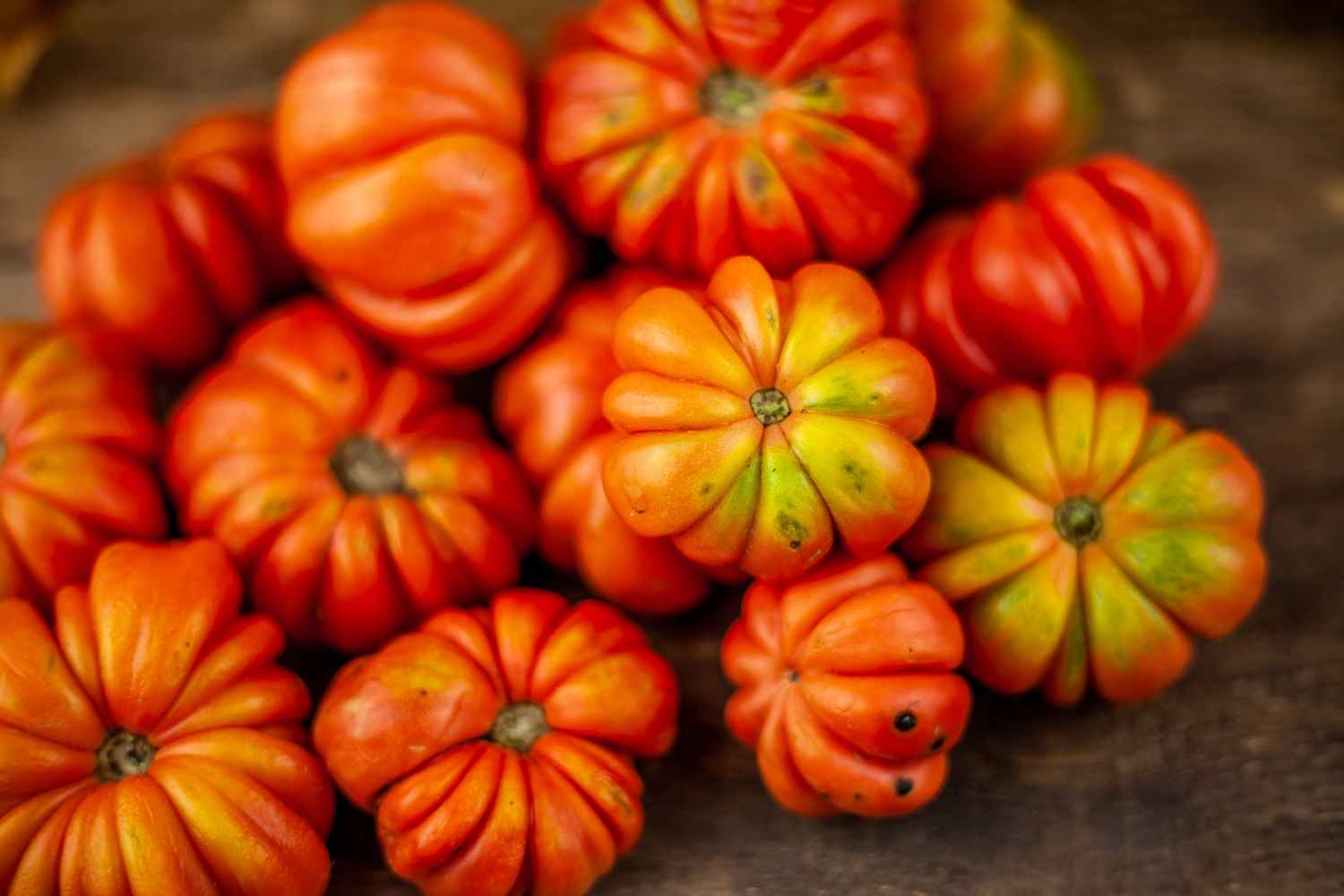
The Florentine ribs is a local variety of coast tomatoes originally from the area around Florence. They are heavy and juicy, with a sweet and aromatic pulp. The Florentine ribs is characterized by a globular-set fruit and very ribbed by an average weight of 150-170 grams. Its characteristics make it immediately recognizable and its abundant pulp makes it ideal for preparations that require consistency.
How to use the Florentine ribs in the kitchen
The Florentine rib is perfect for being stuffed, thanks to its generous shape and size. It is ideal for the preparation of the pappa with Tuscan tomato, where its sweet and aromatic pulp goes perfectly with stale bread. In salads, its thick slices add substance and flavor. It is also excellent for baked preparations, where it keeps the shape well and releases all its aromas during slow cooking.
Tomato rome
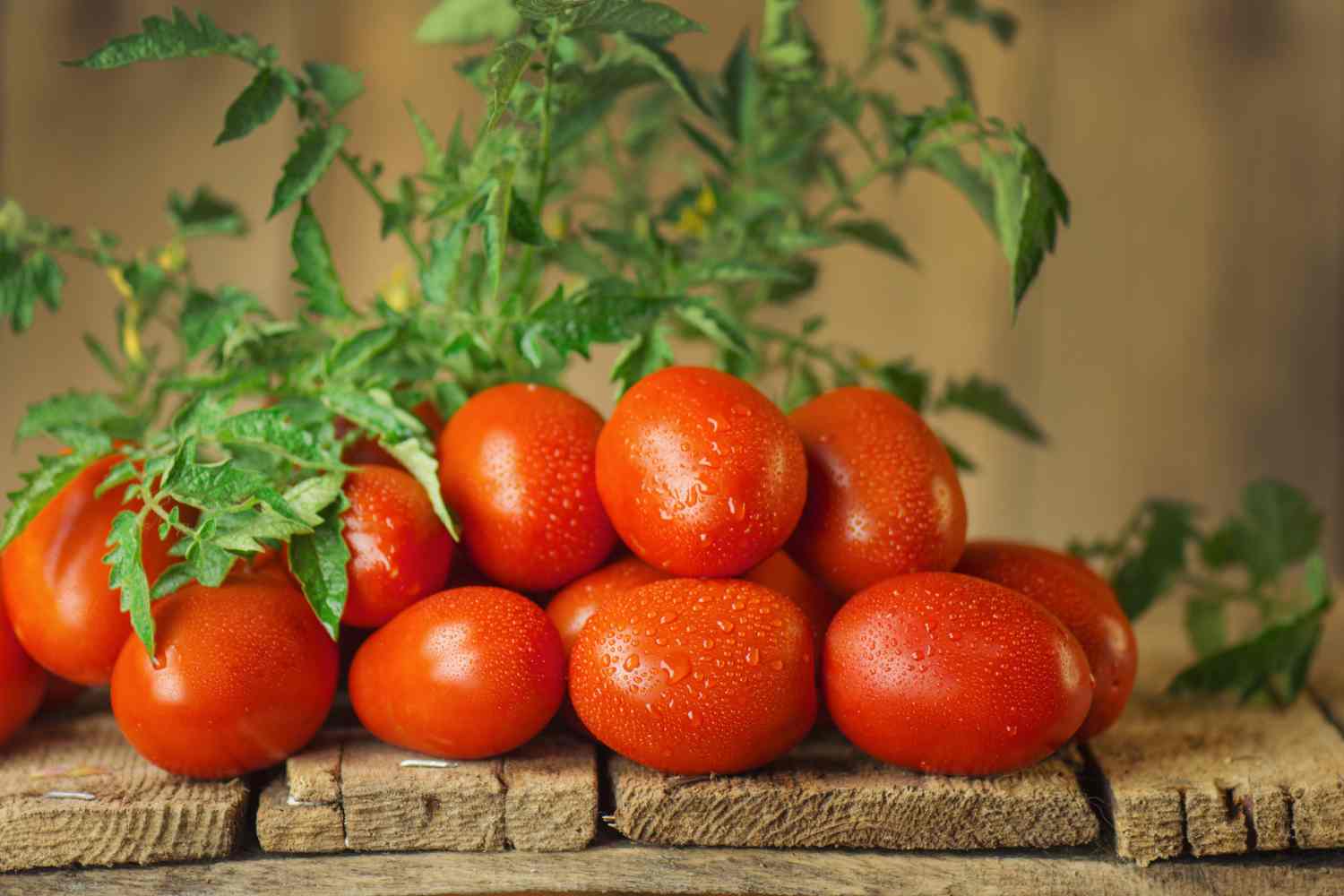
Roma tomato is a variety of sauce par excellence, characterized by elongated shape and dense pulp with few seeds. This variety was developed specifically for the preservative industry but is also highly appreciated in domestic use. Its compact consistency and the balanced flavor make it ideal for all preparations that require cooking.
How to use the Rome tomato in the kitchen
Roma tomato is irreplaceable for the preparation of dense sauces and home preserves. Its compact pulp does not release too much water during cooking, making it perfect for sauces that must maintain consistency. Its shape makes it perfect also to be cut into wedges and used in a pan with mixed vegetables.
Special varieties: colored tomatoes
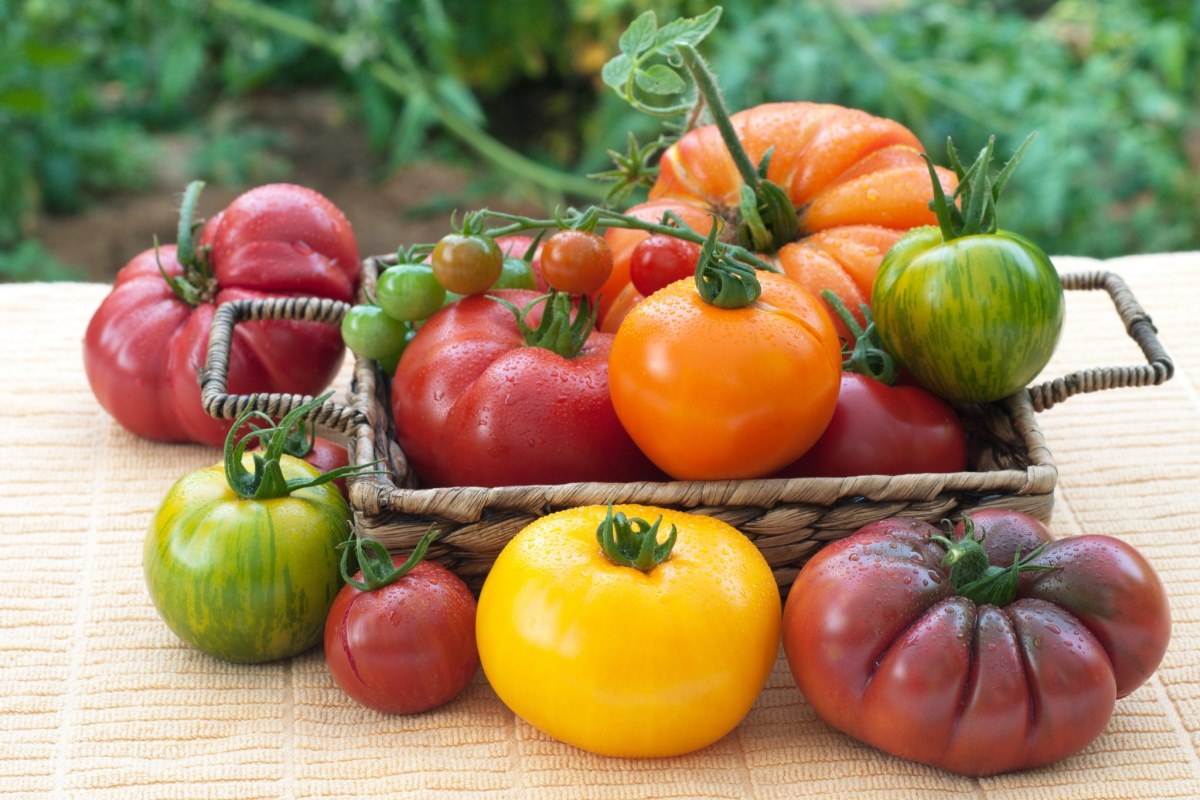
In addition to the classic red varieties, there are white, purple and black tomatoes, each with unique organoleptic characteristics. These particular tomatoes are gaining more and more appreciation among chefs and cooking enthusiasts for their ability to surprise and create visually spectacular dishes.
Colored tomatoes are perfect for creating creative present dishes and presentations. Purple tomatoes are ideal for gourmet salads where their unusual color captures attention. The black ones have a particularly intense flavor that goes well with fresh cheeses and basil. White tomatoes, more delicate, are perfect for refined appetizers or for creating chromatic contrasts in dishes where color becomes decorative element.
Tips for purchase and conservation
It is essential to always choose well -ripe tomatoes, since carotenoids and lycopene are not yet fully developed in the immature ones, while the solenina can prevail which causes migraines and bad digestion. Maturous tomatoes are better preserved at room temperature rather than refrigerator, where they lose flavor and consistency.
Despite all these appetizing varieties, it is important not to exceed consumption if you suffer from allergies with solar or gastritis, since the natural acidity of the tomato could accentuate the symptoms in predisposed subjects.
