
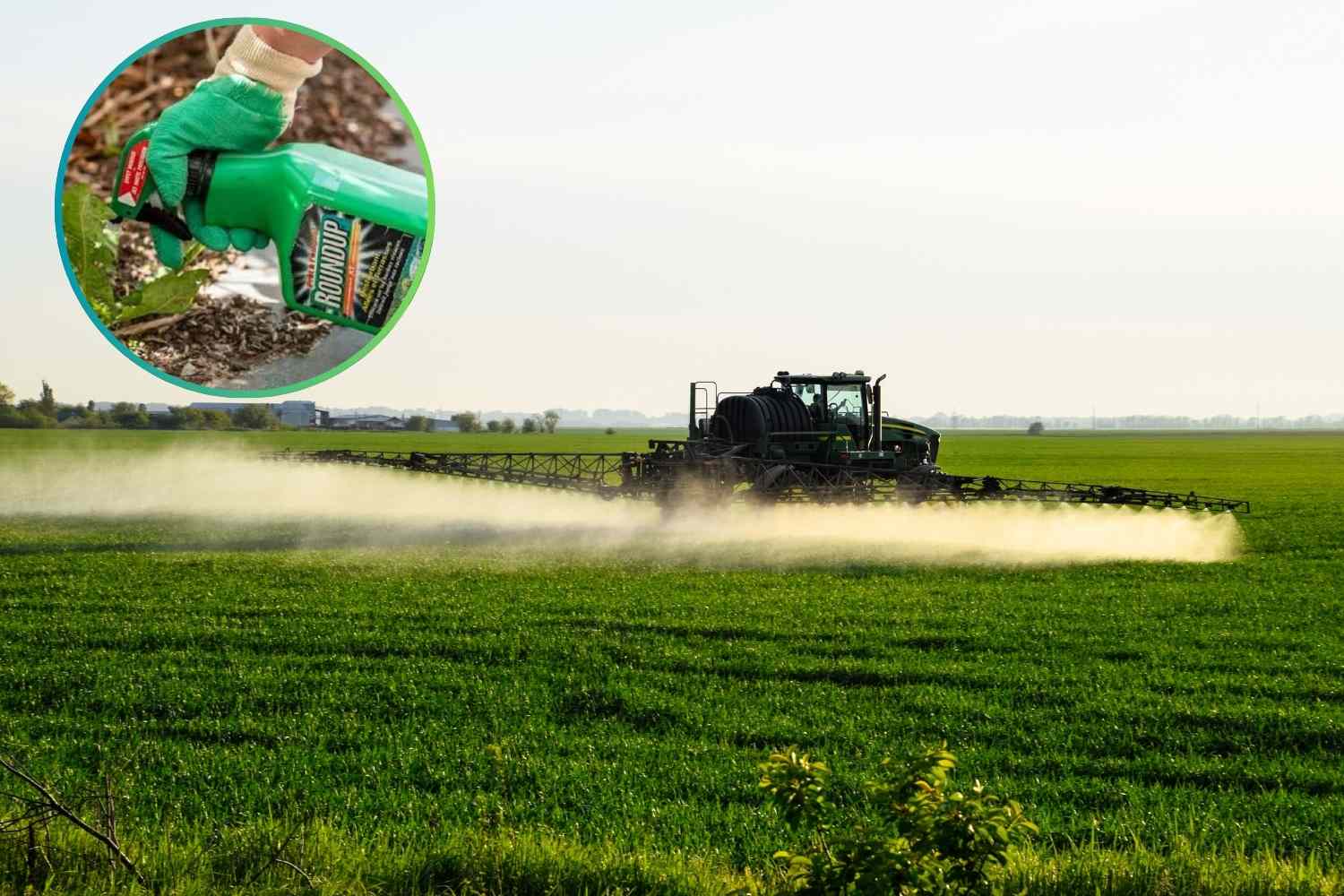
In the United States, the herbicide glyphosate – at the center of thousands of legal causes and under accusation for its effects potentially carcinogenic – He is gradually giving way to a substance considered by some experts even more dangerous: the Diquat Dibromuro. A recent scientific study published on Frontiers, and also analyzed by the Guardian, reveals that this molecule can significantly alter the intestinal flora and compromise the functioning of the liver, kidneys and lungs.
The substance was prohibited in the European Union, the United Kingdom, China and other countries for its acute and chronic risks. However, in the United States it continues to be authorized and widely used. The Diquat is now used in the new formulations of the RoundPthe herbicide produced by Bayeramong the main pharmaceutical multinationals worldwide, which replaced glyphosate with a mix of alternative active ingredients, two of which – including the Diquat – are prohibited in Europe.
The decision to reformulate the RoundP was announced by Bayer in 2021, after the company faced over 170,000 legal causes related to the alleged link between glyphosate and non-hodgkin lymphoma. But according to the Center for Biological Diversityit is a classic case of deplorable replacement – a scientific term indicating the replacement of a toxic substance with another equally (or more) harmful. Nathan Donley, scientific director of the organization, told the Guardian: “From the point of view of human health, this substance is decidedly more dangerous than glyphosate”.
A review of the recently published scientific literature deepens precisely the toxicity of the Diquat: the substance alters the intestinal barrier, reduces the proteins that guarantee its integrity and compromises the production of beneficial bacteria. This can encourage the passage of toxins in the blood, activating inflammatory processes on a systemic level.
Target organs: intestine, liver, kidneys and lungs
In addition to the effects on the intestinal microbiota, the Diquat can also cause significant damage to other vital organs. The study highlights that the substance:
According to reports from the Guardian, the authors of the research underline the need for further studies on the long -term effects at low doses, but the current data already raise founded concerns.
An analysis conducted in 2024 from Friends of the Earth On the labels of RoundP products sold in the main US gardening centers, it has revealed that the new formulations, while excluding glyphosate, are on average 45 times more toxic in terms of chronic exposure. The Diquat, present in all these new versions, was about 200 times more toxic than glyphosate for prolonged exhibitions.
In addition to human health risks, new chemical mixes they are also more harmful to the environment: more persistent in the soil and in the waters, toxic for bees, fish, earthworms, birds and aquatic organisms, and with a greater probability of contamination of the slopes.
Little transparent labels, unaware consumers
The packaging of the new RoundP appears almost identical to that of the previous versions based on glyphosate. And although the US law requires to indicate active ingredients, there is no obligation to inform consumers about changes in the formulations or on the increase in toxicity. As a result, those who buy a herbicide in 2025 in the USA could use a much more dangerous substance without being aware of it.
In the meantime, theUS Agency for Environment Protection (EPA) has not started any review of the Diquat, despite the growing evidence. Some activists, reports the Guardian, accuse the EPA of being too conditioned by the chemical industry, while the regulatory structure is considered by many observers inadequate to prohibit dangerous substances even in the presence of solid scientific evidence.
In Europe, the banning of the Diquat was already in 2019. But in the United States, the regulatory priority still remains on “historical” pesticides such as glyphosate, Paraquat and chlorpirifos – also prohibited in many other parts of the world. The Diquat, notes Donley, is today “eclipse” by the debate on these best known substances.
“Other countries have forbidden Diquat, but in the United States we are still fighting battles that Europe has solved twenty years ago,” said Donley to the Guardian. A regulatory delay that risks having heavy consequences, both for human health and for ecosystems.
