
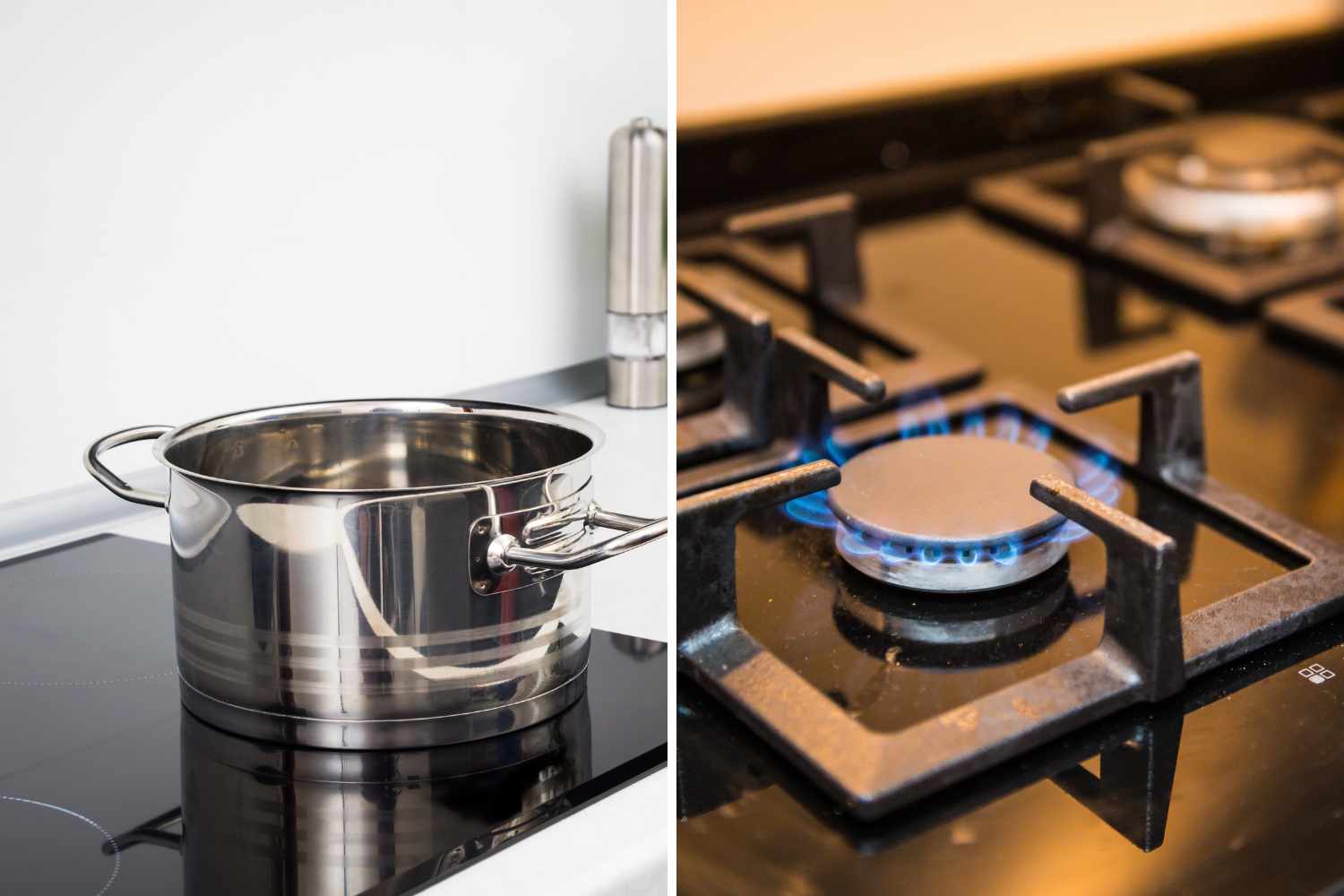
Replacing traditional gas stoves with induction electrical ones represents not only a technological evolution, but a concrete contribution to the safeguarding of our ecosystem and family health. This is confirmed by a recent scientific survey by Columbia University Mailman School of Public Health.
The study highlights how conversion to induction can break down over 50% of the domestic pollution from nitrogen dioxide (No₂), a harmful substance related to respiratory pathologies, particularly harmful to the most vulnerable social groups.
Research
The “Out of Gas, in with Justice” initiative involved twenty low -income families residing in a social building complex in the Bronx. Ten homes were equipped with innovative induction plates to replace the old gas stoves, while the remaining have maintained the existing appliances as a control group.
The monitoring of air quality, conducted for three periods of 168 hours each, measured the concentrations of nitrogen dioxide (No₂), carbon monoxide (CO) and fine in PM2.5. The results showed a decrease of 56% of the NNO₂ in the houses with induction plates, while the levels of CO and PM2.5 remained substantially stable.
The research comes in a significant moment, considering that metropolis such as New York and States like California have already implemented regulations that limit the installation of new fossil combustion devices in recent buildings, aligning with carbonic neutrality objectives and improvement of atmospheric healthiness.
The transition to induction also offers important advantages for the planetary ecological balance. As Columbia University points out:
“Although the study has not quantified the climatic benefits of the intervention, there are numerous research on the negative impacts of combustion kitchens. The domestic use of gas constitutes 15% of national consumption. The gas is mainly composed of methane, a greenhouse gas with global heating potential 80 times higher than CO₂ over 20 years.”
This investigation also highlights the question of environmental equity. Economically disadvantaged families, often inhabitants in marginalized neighborhoods and in structures with inadequate ventilation, are particularly exposed to internal pollution. Not only do they face more likely housing conditions that amplify health risks, but frequently cannot access cleaner and safer technologies such as induction systems.
As Annie Carphorus, Climate Justice Campaigs Manager and co -author of the study illustrated:
“People belonging to ethnic minorities and low -income individuals live more frequently in small and dated apartments, with insufficient ventilation, inefficient or malfunctioning hoods and obsolete appliances that release greater quantities of gas.”
Furthermore:
“Children residing in the disadvantaged neighborhoods of New York have a triple probability of hospitalization for asthma compared to peers of wealthy areas. The young amateur African American affection deal four times more access to the emergency room, the triple of hospitalizations and almost eight times the mortality rate compared to their white peers.”
This disparity is unacceptable and the research underlines the importance of an inclusive approach, attentive to the needs of the most fragile communities, so that the transition to cleaner energy does not leave anyone behind.
The participants in the investigation have expressed high satisfaction for induction systems, appreciating their heating speed and increased safety, so much so that everyone has chosen to maintain the new technology despite the possibility of restoring the previous stove for free.
