
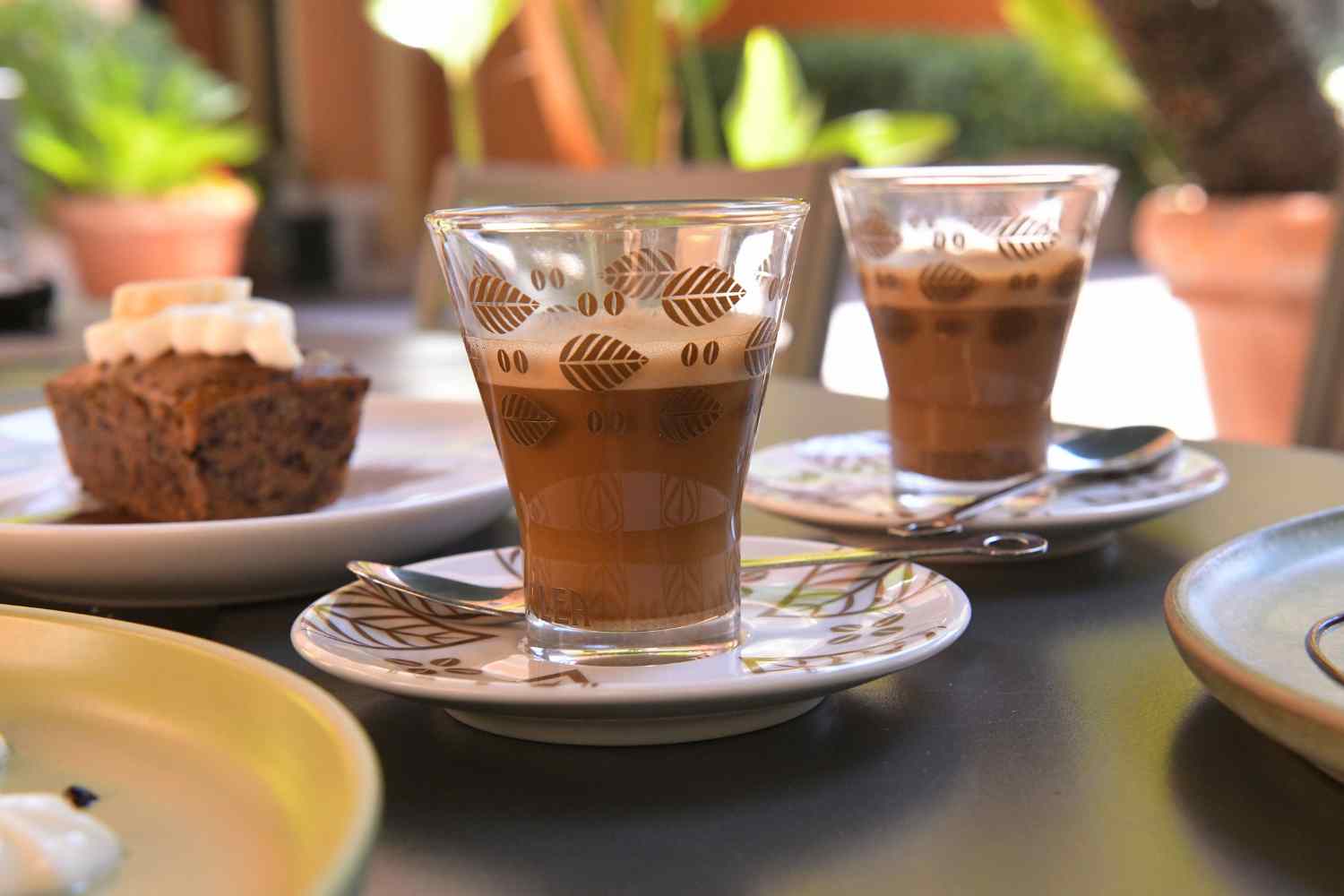
Who knows how many times, entering the bar, you have heard someone order “a ginseng, please”. A request that until a few years ago would have played exotic, but which today has become part of Italian everyday life. This oriental drink with amber color and enveloping flavor has also conquered the most traditionalist palates, managing to make his way into the sacred temple of the Italian express.
The phenomenon is more significant than you can imagine: iGinseng is now about 3% of total drinks In the bar world, even overcoming decaffeinated coffee. Numbers that testify that the Italians, while remaining faithful to their coffee maker tradition, are curious to experiment with new flavors.
A drink with an oriental charm
Ginseng coffee, characterized by its sweet and cream -like flavor similar to cappuccino, has found fertile ground in Italy thanks to its ability to offer a taste experience other than traditional espresso. The presence of the milk cream in the formulation gives that velvety texture that appreciate consumers so much, while the sweeter flavor compared to classic coffee makes it accessible even to those who normally do not love coffee bitterness.
The benefits of ginseng: energy without excess
Ginseng’s success is not only due to taste. This drink is considered a sort of natural tonic, capable of strengthening immune defenses and improving physical and mental state. The active ingredients contained in Ginseng substantially offer three main advantages: the energizing and stimulating effect, the improvement of concentration and memory, and a reduced content of caffeine compared to traditional coffee.
The ginseng extract present in the drink contains ginsenosides, the active ingredients responsible for the suitable properties of the plant. In Ginseng there are also polyphenols, amino acids, mineral salts and vitamins of group C and B, which support the nervous and immune system. This nutritional profile makes it interesting for those looking for a coffee alternative that offers additional benefits.
Achilles’ heel: sugar
Not everything that glitters is gold, the main weak point of commercial ginseng coffee lies in its high sugar content. A cup of Ginseng can contain from 30 to 80 calories, against 10 of a classic espresso. This means that those who habitually consume this drink can take on a significant amount of sugars added during the day.
The typical composition of commercial ginseng in fact includes sugar as a second ingredient after coffee, often accompanied by milk cream, vegetable cream and other additives that contribute to increasing the calorie intake. For this reason, the choice of added sugar -free variations represents an intelligent solution to maintain the benefits of Ginseng by limiting the impact on daily energy scale.
Ginseng Light
We had the opportunity to taste the Ginseng Light by Eracleawhich boasts 47% less sugars than the top Seller Double Cream, and the first impression was to find us in front of a completely different drink. Much less sweet than traditional Ginseng, even presents slightly bitter notes that initially could displace those who are used to the intense sweetness of the classic versions, but it is precisely this characteristic that makes it surprisingly good and authentic.
The clearer and less masked flavor by sugar allows you to appreciate the real notes of Ginseng and coffee, offering a more complex and interesting taste experience. The beauty of Ginseng Light It is that it can be customized according to their tastes: those who want a sweet touch can add white sugar, cane, honey or sweeteners, while maintaining control over the amount of sugars taken.
For those looking for even more specific alternatives, the New Ginseng Veg of Eraclea It is an innovative proposal: gluten -free and made with vegetable ingredients, it maintains the soft and velvety texture feature of the ginseng, with the classic notes of caramel and vanilla enriched by a distinctive vegetable aftertaste that makes it unique in its kind.
Conscious consumption and moderation
For those who enjoy good health there are no real contraindications to the consumption of ginseng coffee, given that the presence of caffeine is reduced, as for each drink, it is important to maintain moderate consumption, not exceeding three or four cups per day.
It is important to remember that the bar ginseng cannot replace specific ginseng supplements used for therapeutic purposes, where the concentrations of active ingredients are standardized and controlled.
How many varieties of ginseng exist
For those who want to explore the world of Ginseng, the Eraclea range offers five different references designed to satisfy any taste preference. The Classic ginseng presents an intense taste with notes of cocoa and vanilla and a sweetness of medium intensity, while the Ginseng Double Cream It is more enveloping, characterized by caramel and vanilla notes with a more pronounced sweetness.
For those who prefer more delicate flavors, the Delicate ginseng It offers a soft taste with caramel and vanilla notes with a high intensity.
The real news for consumers attentive to health is represented by Ginseng Lightwhich boasts 47% less sugars than the top Seller Double Cream. The new Ginseng veg range completes the range, a gluten -free proposal made with vegetable ingredients. This variant stands out for its soft and velvety texture, characterized by the classic notes of caramel and vanilla combined with a distinctive vegetable aftertaste.
A pause of taste and health
Ginseng can actually represent an interesting alternative to traditional coffee, especially for those looking for an energizing but less rich in caffeine drink. The key to transforming this drink into a truly healthy choice lies in the selection of versions with little or without added sugar, which allow you to appreciate the beneficial properties of Ginseng without compromising the nutritional balance of your diet.
The growing popularity of Ginseng in Italian bars testifies that consumers are increasingly open to new gustatory experiences, provided they are accompanied by greater nutritional awareness. In this context, the proposals with reduced sugar content represent the perfect balance between pleasure and well -being.
