
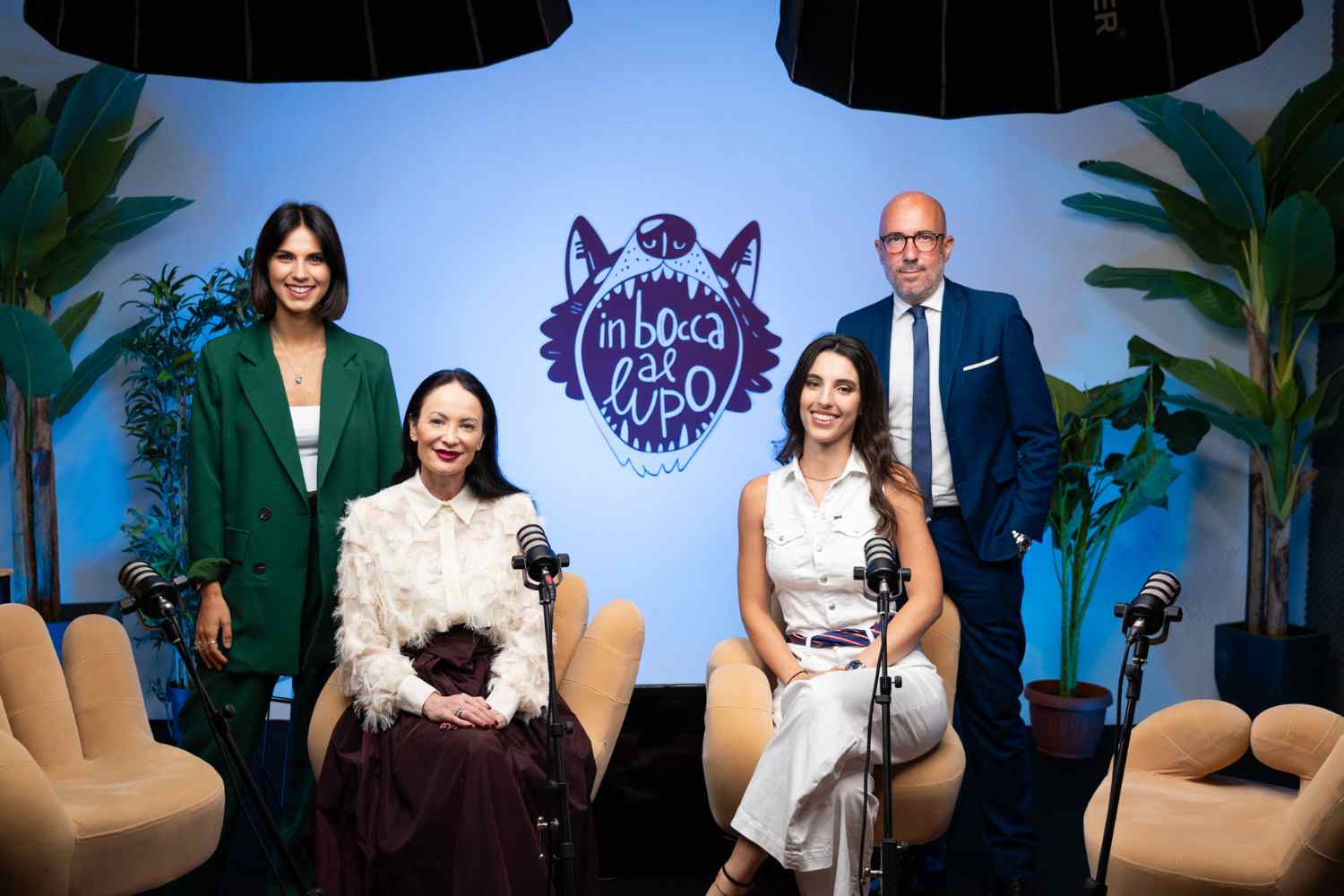
The first intense episode of “Good luck”, The new podcast that explores the theme of gender violenceintertwining information, stories and psychological and legal contributions, with clarity and respect
Co-producing from Buyron and from Greenmewill be available on all platforms. Each episode (in total 7 + 2 extra) will face a crucial knot: from psychological to economic violence to rehabilitation paths for those who commit violence; And it will involve professionals, activists and victims.
Gender violence is not an exception. It is everywhere. It is part of our daily lives, the podcast begins, conducted by the director Iris Gaeta and the psychologist Margherita Filosa.
The first episode, “Where are the institutions?”
In the first episode, the voices of Martina SemenzatoPresident of the parliamentary commission of inquiry on femicide, e Valerio De Gioiamagistrate and consultant of the same commission, face a direct and uncomfortable question: What are Italian institutions do to counter gender violence?
The answer is not simple, but is faced with lucidity and concreteness.
Martina Semenza defines the commission’s work as one Transversal and non -ideological “mission”. A bicameral body consisting of 36 members (32 women and 4 men), born with the aim of shed on the phenomenon of male violence against women, with regulatory, control and financial tools.
Economic violence is still invisible. But it’s real. And it is one of the first control tools of the mistreatment, explains Semenzato.
Economic violence: the most invisible, the most pervasive
The central focus of the episode is precisely the economic violencea form still not very recognized and often normalized:
According to De Gioia, Only in 2015 did the Court of Cassation recognized economic violence as a case falling within the abuse in the family. A delay that still weighs in the courts today.
The law arrives late, but today there is. We need information and courage to assert it, underlines the magistrate.
The tools exist, but often they do not know each other
From freedom income to number 1522, from tax relief for companies that take victims of violence in the microcorporate repaired To start a new working life, there are tools.
Yet, as confirmed by data of the anti -violence centers, 62% of women who turn to these services are not economically independent. And many completely ignore the existence of these measures.
The role of society
The Seedness speaks of “co -responsibility pact“ who must involve family, school and civil society. The neighbors also play a role: often, tells De Gioia, fundamental testimonies come only years after the factswhen the victim has already undergone very serious violence.
Dissating does not only mean going to the police station. It also means confidently, asking for help, talking about it, recalls Semenzato.
A cultural message also starts from economic violence: the women have to learn to talk about moneyfrom an early age.
My mother said to me: ‘Put the Schei away and buy a house,’ says Martina Semenzato, citing a legacy of autonomy in the Venetian dialect that she wants to transmit with a law on financial education today from the kindergarten.
Justice: steps forward (but still too slow)
Thanks to the laws Red Code (2019) e Roccella (2023)the times of justice are shortening, but not enough:
But it remains the delay in the management of complaintsoften listen years after the factswith all the risks of the secondary victimization.
A new grammar of relationships is needed
The podcast is not limited to rattling data: it also proposes a new language of affectivityespecially useful for the new generations. As?
A boyfriend who asks you for geolocation does not love you. Check you, underline the presenters.
“Good luck” to whom?
The episode ends with a powerful wish:
Good luck to all women, because within us we have the strength to do things that scare usSays Semenzato.
And to you two “, adds De Gioia by addressing Iris and Margherita,“ because talking about all this is a courageous and fundamental act.
Look here the first episode
“Today I can choose”: Emanuela’s rebirth after economic violence
The first episode of “Good luck“Bring a content with it extraa special episode with the direct, raw and powerful voice of Emanuelaa woman who has chosen to tell her.
Emanuela today is an entrepreneur, co-founder with the brand’s daughter Mimì and mom. But behind what might seem like a success story there is a long wound: years of control, silence and economic dependence.
The control was not only on expenses, but who I was. I couldn’t buy a pair of shoes to my children without asking. I couldn’t even decide to cut my hair or put a tight dress.
During the interview, Emanuela explains what was the economic violence on his skin: an often invisible form of abuse, made of imposed limits, blackmail masked by “love”, and dependence built day after day, also through forced renunciation to work.
The turning point came with the complaintsupported by a network of affections: friends, professionals and the association Women in the centerwho welcomed her when everything seemed to collapse.
On the evening of the complaint, the police headquarters had finished the chairs. There were so many people who came to help me. That moment has returned me a sense of family.
Emanuela today is different. More aware, stronger, still on the way. But free. He built an entrepreneurial project with his daughter, not by ambition, but for find respect for itself and rewrite your future with its hands.
I won’t become rich, but I do something I like. When we saw our first creation worn by a mother on the street, we started to cry. It was our dress. It was our redemption.
The message that Emanuela leaves is powerful and aimed at everyone: listening is already an act of help. Often those who suffer abuse do not ask, but send signals. Knowing how to see them, knowing how to be, can change a life.
I wanted someone to forget me to report first. My friends saw that I was no longer carefree. The signals were there.
Today Emanuela is no longer afraid of opening the door of the house. He wears what he wants, he lives as he wants. Choose.
And if he has to wish good luck To someone, it has no doubts:
To my children. Because they deserve it.
Look here the extra episode
