
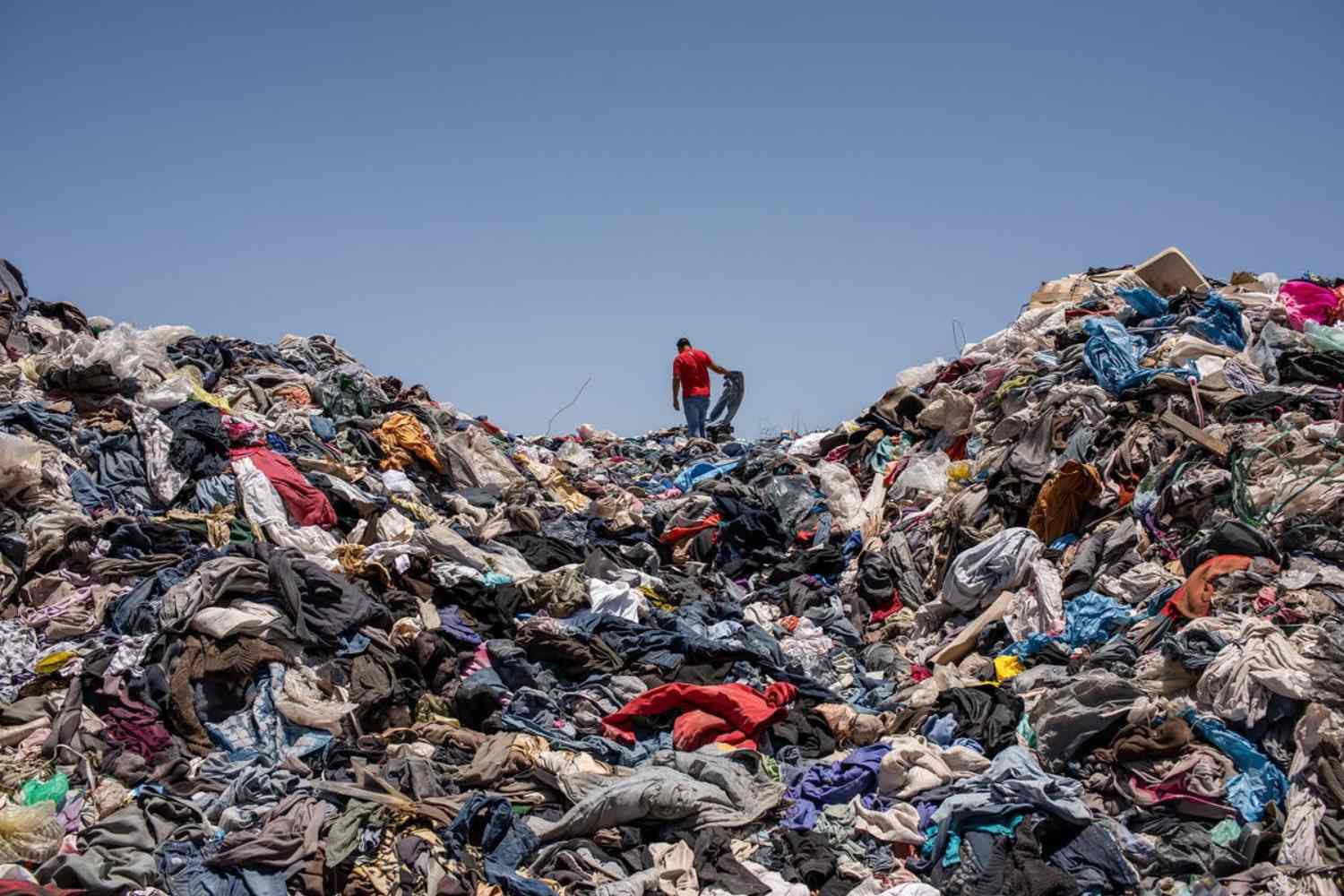
The Chile takes a decisive step towards environmental sustainability: i Textile products In fact, they officially enter the list of assets considered priority by the Republic law (Responsible Productor Extendida), a key legislation to promote the recycling and waste reduction in the country. The signing of the resolution by the Minister of the Environment Maisa Rojas represents a turning point in the Textile waste managementone of the most impactful sectors globally.
With this move, Chile aims to revolutionize the life cycle of the tissuespromoting a model of circular economy. The new regulation covers a large spectrum of materials: Clothing, home linen, footwear, fibers, fabrics and yarnsalso including the waste generated before and after consumption.
According to official data, each Chilean consumes on average 32 kilos of clothing per yearwhich translate into beyond 572,000 tons of textile waste. Of these, an impressive amount ends in dumpcontributing to a large -scale environmental problem. Also about the 92% of the garments sold in Chile is importedand the country is one of the main buyers of second hand clothing worldwide.
What will change
Oral Companies that produce or import textiles in Chile they will have new responsibilities. Will be obliged to register at the Retc (EMISSES Y CRANSFALLES DE CONTAMANTANES register) and to declare the quantity of products entered on the market.
The main objective is clear: drastically reduce the amount of textile waste and encourage the reintroduction of materials in the production cycle. The hope is that this policy also encourages the birth of local companies dedicated to recovery, recycling, repair and selection fabrics, generating New economic opportunities and contributing to the fight against Usa -free fashion throws.
The decision is part of the broader national strategy for the circular economy in the textiles at 2040, in line with the international commitments of Chile, such as the Paris agreement. With this act, the country finally recognizes that textile waste is not just waste, but potential resources to be enhanced to build a more sustainable future.
