
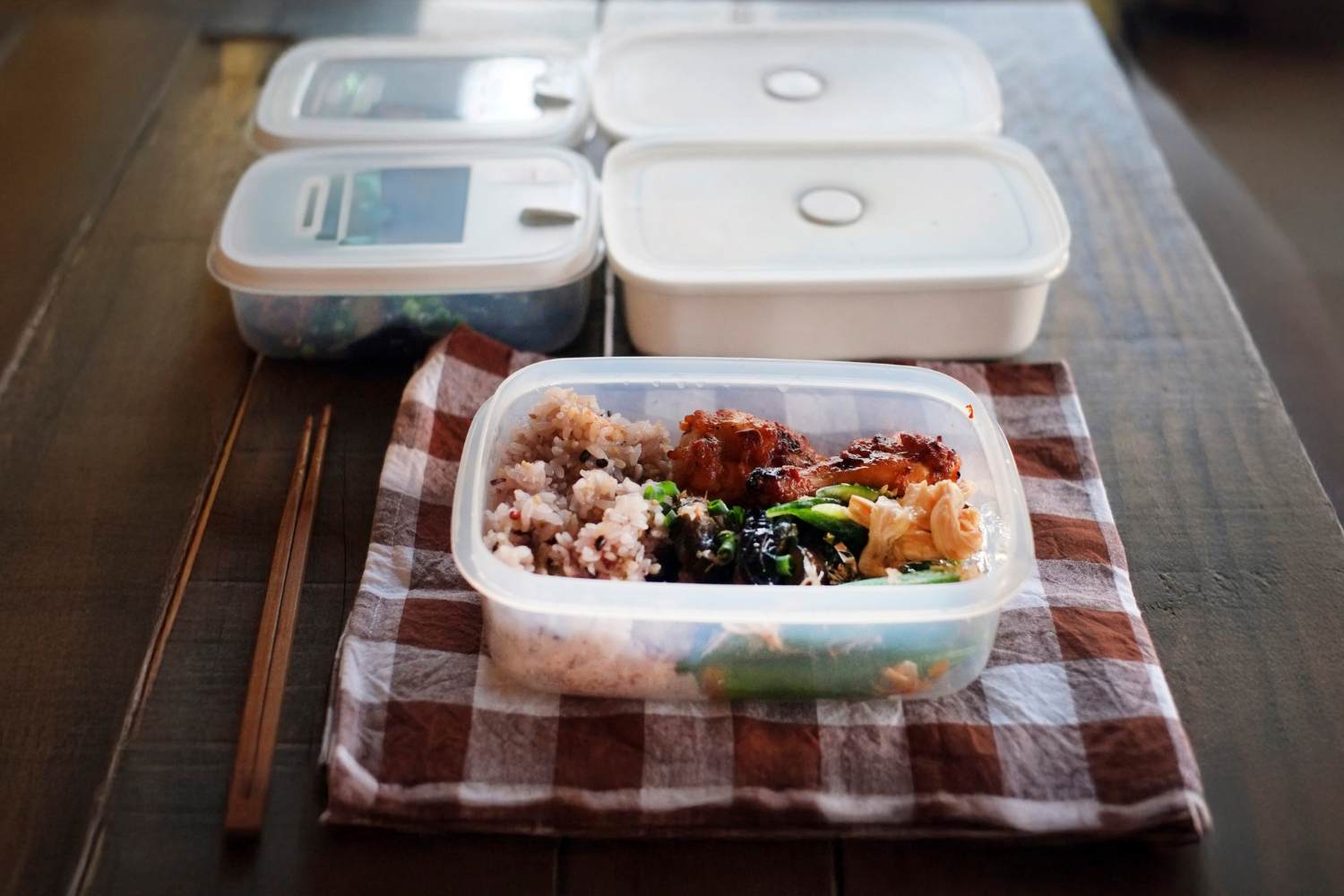
There is a date to mark on the calendar for those who want to do their part against plastic pollution, even at the table: 12 February 2027. From that day, taking your own water bottle or container to the bar, rotisserie or restaurant to have takeaway food and drinks refilled will no longer be a choice left to the good will of the individual business owner, but a right guaranteed by law.
It all stems from Regulation (EU) 2025/40, published in the Official Journal of the European Union in January 2025 and which came into force on 11 February of the same year. This is one of the most ambitious regulations ever adopted at European level on packaging and packaging waste, part of a broader strategy that aims to build a truly circular economy by 2040.
The numbers that have pushed towards this turning point are irrefutable: in the European Union, almost half of all the paper produced and over a third of the plastic is used to make packaging, which then represents approximately 36% of municipal solid waste. A real mountain of disposable material that the new regulation aims to reduce in a progressive and measurable way.
However, the regulation does not come into force all at once. Its general provisions become directly applicable in the Member States starting from 12 August 2026, without the need for further national transpositions. From that moment the basic obligations come into force, such as the promotion of recyclability and the reduction of the weight and volume of packaging.
Subsequent deadlines outline a clear path to 2040:
The turning point for takeaway food
The most concrete news for consumers concerns the catering and takeaway sector. Starting from 12 February 2027, bars, restaurants, takeaways and any other establishment that sells food or drinks to take away will be obliged by law to accept containers brought by customers and fill them, without applying additional costs or penalizing conditions compared to those who use standard packaging.
Not only that: merchants will also have to inform customers of this right, displaying clear and clearly visible panels. In short, no excuses like “we cannot do this for hygiene reasons” the right exists and must be communicated.
Naturally, some reasonable exceptions remain: the merchant may refuse visibly dirty or unsuitable containers, and cannot be held responsible for any problems related to a container provided by the customer. However, the venue will have to clearly communicate which types of containers are accepted and which hygiene standards must be respected.
One year later, from 12 February 2028, there will be the next step: public establishments will also have to offer their customers reusable packaging for takeaway, not just accept those brought from home. No difference in price or treatment for those who choose the sustainable option.
Subsequently, by 2030, final distributors will have to ensure that at least 10% of the products on sale are available in a reusable packaging format.
Slow and gradual changes which we hope can make a difference.
