
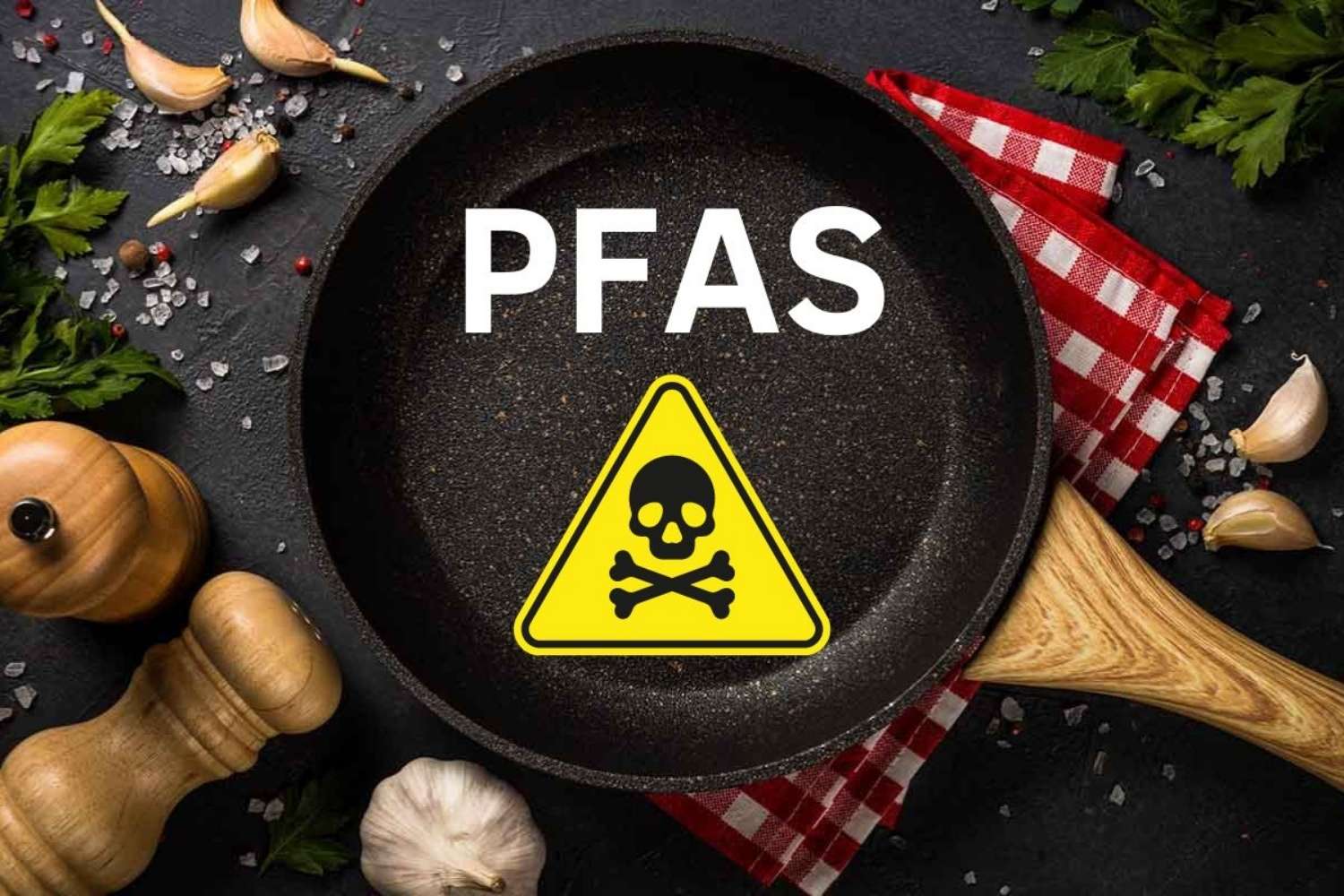
While in Italy the holidays were coming to a close and the last New Year’s toasts were being drunk, in France the new year began with a decision with a strong impact on public health. From 2 January 2026, the ban on PFAS, the so-called “eternal substances”, known for their persistence and ability to contaminate water, air, soil and even human blood, officially came into force. A long-awaited measure, which marks a change of pace in the European environmental debate.
The measure was born from a broad and structured mobilization: over 140,000 citizens urged their political representatives to intervene. The pressure led to the approval of the law on 20 February 2025. The path was not without compromises and gray areas, also due to the intervention of industrial lobbies, but the result remains significant. The signal coming from Paris is clear: when political will meets a strong request from below, even complex dossiers can find a concrete response.
What does the French ban include?
French legislation prohibits the production, import and sale of a number of products for which PFAS-free alternatives exist. The scope of the announcement includes cosmetics, clothing and items such as ski wax. The text also introduces periodic checks on drinking water and provides for sanctions for those who contribute to pollution by these substances.
Alongside the positive aspects, however, some exclusions emerge which fuel the debate. High-performance membranes used in certain industrial and textile processes, considered strategic or linked to national sovereignty, remain outside the ban. The most discussed exemption, however, concerns non-stick pans, eliminated from the final text after intense pressure from producers.
In the initial version of the law, these articles were also included in the notice. However, the French giant Tefal defended the safety of the PTFE coatings used in its products. A position that does not convince part of the scientific community, given that several studies report the possible release of micro and nanoplastics in foods during use. For many observers this is a missed opportunity, which reduces the scope of the measure.
A step forward, but it’s not enough
As Sandra Bell of CHEM Trust pointed out, the ban represents positive news for French citizens concerned about exposure to PFAS, especially in sectors such as clothing and cosmetics. At the same time, the exclusion of key products such as cookware leaves obvious critical issues open. According to Bell, France should now decisively support a European-wide restriction, capable of including a greater number of articles and guaranteeing uniform protection for all citizens of the Union.
And it is precisely here that the central point emerges. Brussels has been talking about phasing out PFAS for years, but binding rules are slow in arriving. Italy, for its part, remains essentially at a standstill, even in the face of serious situations such as those in the Veneto, where some aquifers are among the most contaminated in Europe.
The French ban must be recognized as a step in the right direction, it shows that political action is possible and that public pressure can have an impact. However, the numerous exemptions obtained by the industry are a reminder of how difficult it remains to put collective health ahead of economic interests.
The real challenge begins now: bringing the issue to a European level, building broader legislation without loopholes. PFAS do not stop at national borders and protecting only a portion of citizens cannot be enough. We need a common, coordinated and courageous response. And it is needed quickly, because if the political confrontation continues, these substances continue to accumulate in the environment and in our bodies, making any postponement increasingly difficult to justify.
