
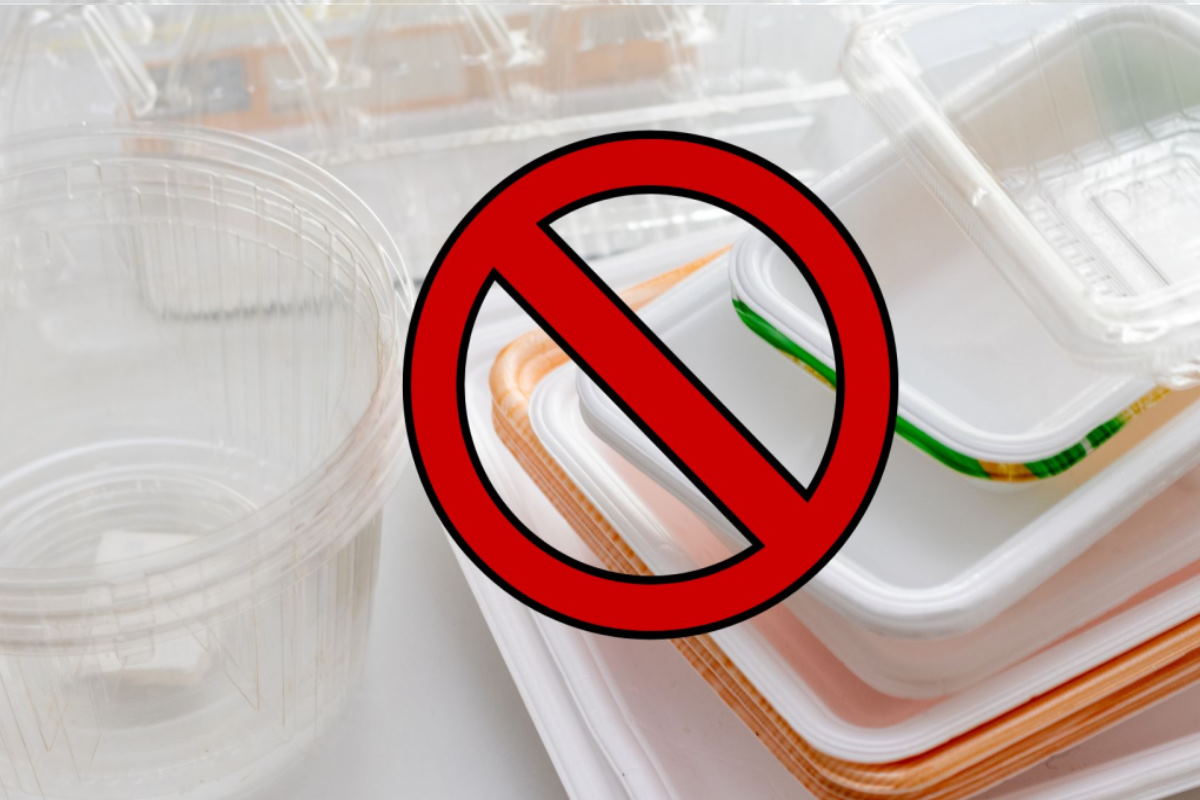
It was 2021 when the Chilean legislature unanimously approved a law on the regulation of single-use plastic in the food industry, to reduce the country’s plastic waste, generated every year by establishments such as restaurants, bars, delivery services or other similar places that sell prepared food.
Only in recent days has Law no. finally come into force. 21.368, which regulates the delivery of single-use plastic and plastic bottles in food establishments.
Its aim is clear: to reduce the production of plastic waste by promoting certified reusable and compostable alternatives. Furthermore, the law is part of a broader vision that includes the REP (Extended Producer Responsibility) Law, which obliges producers to manage the entire life cycle of products.
The law on single-use plastics in Chile
With Law no. 21,368, the country is redesigning the landscape of container and tool consumption, in a decisive step towards the circular economy. Adopting this legislation is not only a mandatory choice, but a fundamental strategic move for companies, entrepreneurs and consumers who want to reduce their environmental impact and make informed choices.
Law no. 21.368 regulates the distribution of single-use plastic, including plastic containers and bottles in commercial establishments. This law complements the ban introduced in 2018 on plastic bags.
What exactly does Chilean law regulate?
- Ban on single-use plastics: The law prohibits the distribution of single-use plastics in points of sale intended for on-site consumption.
- Restrictions for takeaway consumption: some items are permitted only if made with recoverable or compostable materials.
- Plastic bottles: disposable bottles must contain a percentage of recycled plastic (rPET).
- Transparency for consumers: consumers must be informed about the composition of products.
This is a gradual transformation, not a total ban. Large companies have had a year to comply, while small businesses have a longer period to comply. The final objective is structural and oriented towards circularity.
Which products are regulated and which are excluded?
The law is mainly aimed at the catering and ready-to-eat food distribution sectors, such as restaurants, canteens, beverage distributors and delivery services. Regulated products include:
However, regulations allow alternatives if they meet certain criteria:
Certification is essential: generic labels such as “biodegradable” are not sufficient. Alternatives like those of I AM NOT PLASTIC comply with international compostability standards, helping companies stay compliant and reduce their environmental footprint.
The REP Law
The REP Law (20.920) is closely linked to the legislation on single-use plastics. It establishes that producers of certain goods (including containers and packaging) are responsible for the recovery and valorisation of waste resulting from their marketing.
This model reflects a global commitment to reduce plastic pollution, with responsibility resting with those who place products on the market.
The Single-Use Plastics Law in Chile indicates that adopting circular practices is not just a regulatory necessity, but a step towards a sustainable future, where waste management and traceability are the new normal. The real challenge is to integrate these practices into our daily lives and business models, to accelerate the transition towards a more responsible economy.
