
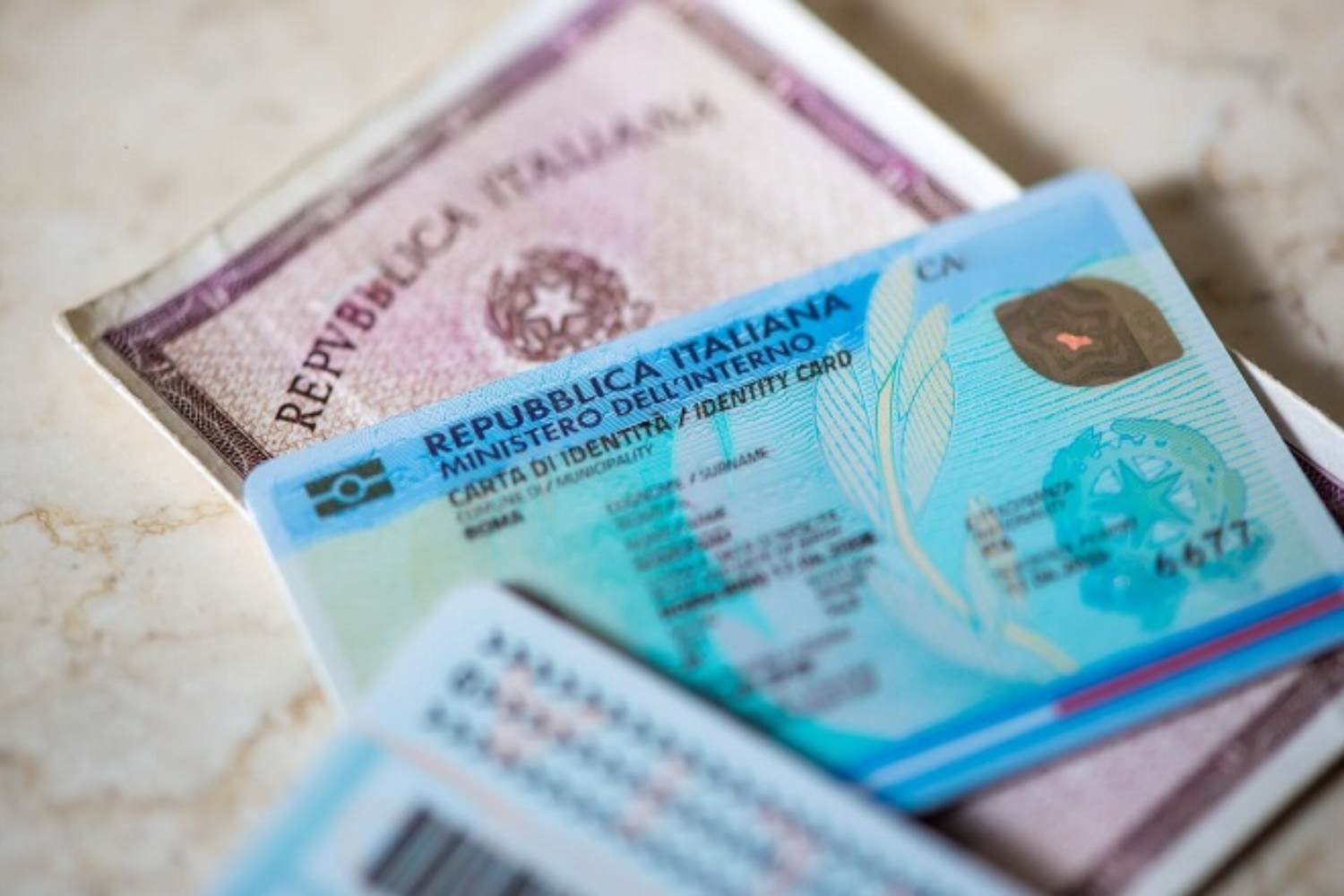
The Italian government is about to introduce a measure that will change the lives of millions of citizens: with the next simplification decree, those over the age of 70 will no longer have to renew their identity cards. The announcement came from the Minister for Public Administration, Paolo Zangrillo, during the broadcast Next Economy on Giornale Radio, with the aim of reducing queues at the counters and simplifying bureaucratic requirements for a segment of the population often penalized by long administrative procedures.
The identity card is currently valid for ten years for adults, five for minors between 3 and 18 and three for children under three. With the new rule, those over 70 will have a document valid for an indefinite period or, in any case, for a much longer period, eliminating the need to periodically go to the Municipality. This change will affect over seven million Italian citizens, although some points remain to be clarified, such as the management of documents for those who are about to turn 70 or for 61-year-olds whose card expires at the age of 70.
What changes in practice for those over 70
In practice, those over 70 will no longer have to worry about making appointments in the Municipality or waiting in long lines to renew their document. Details such as the validity of the current photo and the management of particular cases still remain to be defined, but the impact on daily life will be significant: fewer deadlines, less stress and a simplified procedure.
“Service pharmacies” will also be introduced
The new package of simplifications is not limited to the identity card. Among the measures envisaged, Zangrillo cited the introduction of so-called service pharmacies, where it will be possible to choose a family doctor or carry out vaccinations without going through the local health authority. The intent is clear: to eliminate unnecessary steps and speed up procedures, making public administration more efficient and closer to citizens.
The resources to implement these reforms come from the Pnrr, the National Recovery and Resilience Plan, which finances over 400 interventions already presented and many others arriving in Parliament. According to the minister, each measure is designed to save citizens time, reduce inconvenience and make bureaucracy more useful, concrete and less complex.
The simplification decree therefore represents an important step towards a more modern public administration, which aims to make the lives of those over 70 easier, without sacrificing the security and validity of documents.
You might also be interested in:
