
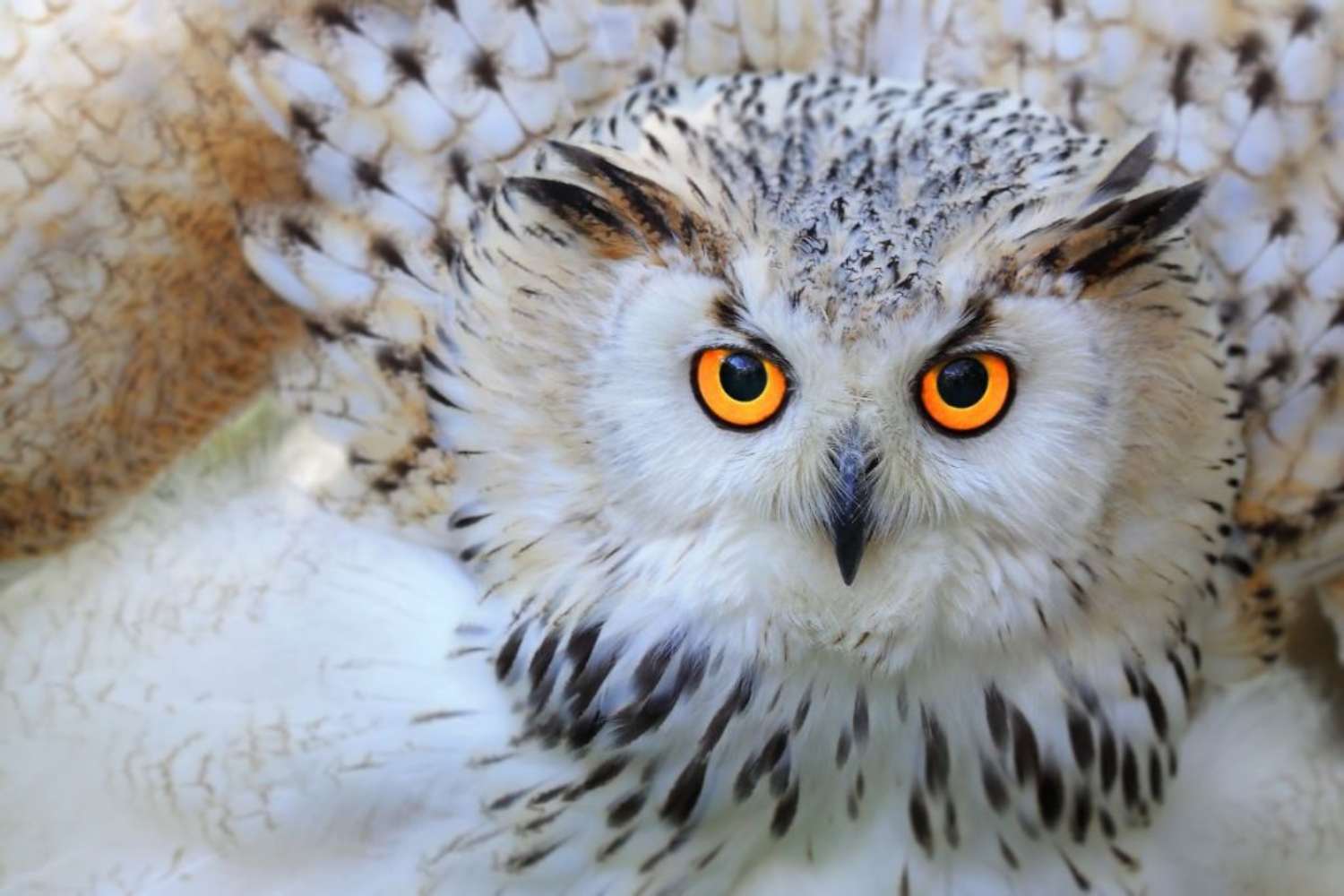
For the first time in two decades, Sweden records the official loss of a bird species on its territory: the snowy owl (Bubo scandiacus). Absent from nesting sites since 2015, the Arctic bird of prey has been declared regionally extinct, marking a symbolic and alarming transition for Nordic biodiversity.
For centuries the snowy owl – which became known as the character Hedwig in the Harry Potter saga – found a favorable habitat in the Swedish mountains, reaching hundreds of breeding pairs in the 1970s. Its white plumage and its resistance to extreme conditions had made it an icon of the Scandinavian wild nature.
Also known as the polar owl, this bird of prey is an extraordinary hunter, capable of identifying and capturing prey even under deep layers of snow. Its survival, however, is linked to a fragile balance, based on open, snow-covered and little disturbed environments.
In addition to the loss of habitat due to urban expansion and infrastructure, in the past the species has suffered strong direct pressure: between the 19th and 20th centuries, thousands of specimens were killed for taxidermy or for food use. Despite this, the recent decline has deeper and more systemic causes.
The key role of the climate crisis and lemmings
According to experts, the climate crisis represents the main threat today. Milder winters, with more rain and less snow, compromise the survival of lemmings, small rodents that dig tunnels under the snow cover and are the main source of food for snowy owls. Without stable snow, lemmings decline drastically and, as a result, even large birds of prey are no longer able to feed or reproduce. The Arctic is also warming up to four times faster than the global average, irreversibly altering the landscapes on which this species depends.
At a global level, the snowy owl is not yet extinct: it is estimated that between 14,000 and 28,000 individuals remain, numbers however in constant decline which have led the IUCN to classify it as a vulnerable species. Its disappearance from Sweden is not just a local loss, but a warning sign about rapidly changing cold ecosystems.
Birds, thanks to their mobility, are among the first to respond to global warming, “redrawing” the maps of European fauna. As long as the species survives elsewhere, there is a possibility of return, but its fate will depend on environmental choices and the ability to protect climate and habitat. Nature, this time, demands immediate answers.
You might also be interested in:
