
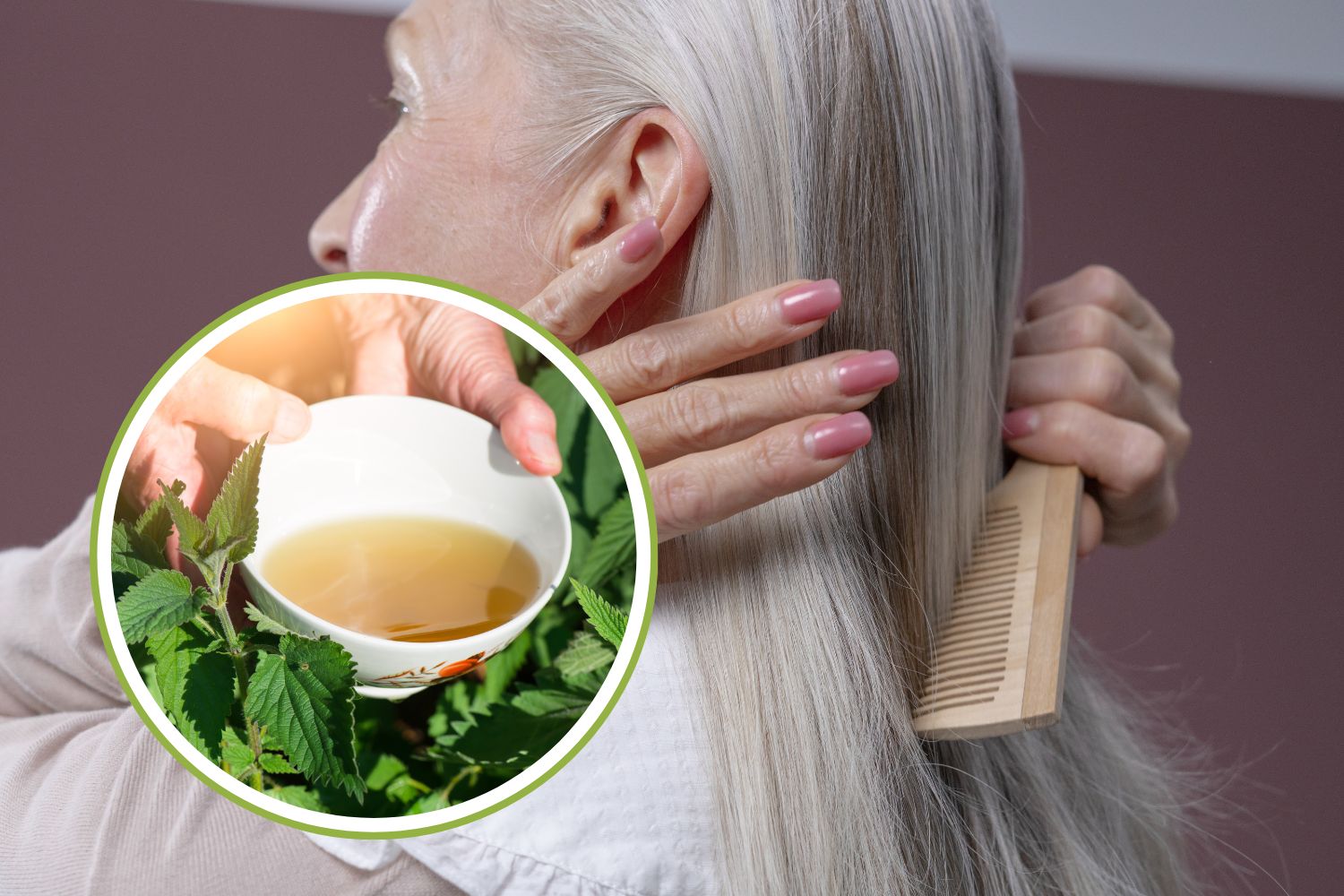
The secret to having long, strong and voluminous hair could be hidden in a plant that we are used to avoiding during walks in the countryside. We are talking about nettle, the one that grows spontaneously in meadows and which, at the slightest contact with the skin, causes an annoying burning sensation. Yet, for generations, it has also been used in hair care, especially in the popular traditions of Eastern Europe.
Melody, a content creator who brought the attention to this ancient remedy back to social media, talked about the beauty routine handed down from her Slavic great-grandmother. A family recipe which, according to the young woman, would have contributed to keeping the hair of the women of the house waist-length even in old age.
To prove it, Melody shared photographs of her great-grandmother at 60 and her grandmother at 80, both with particularly long hair. Then he revealed the treatment he would inherit: a natural nettle shampoo, accompanied by some simple precautions before and after washing.
The story has reignited interest in one of the best-known ingredients in herbal cosmetics. But what are the real benefits of nettle on hair? And above all, can it promote its growth?
@melodyyaslan Replying to @Ana Ruks Slavic girlies who know this hair growth secret, let me know your experience in the comments #haircare #naturalhaircare #naturalhaircareproducts #slavic #ancientbeautysecrets
♬ original sound – Melody
Because nettle has been used for hair care for centuries
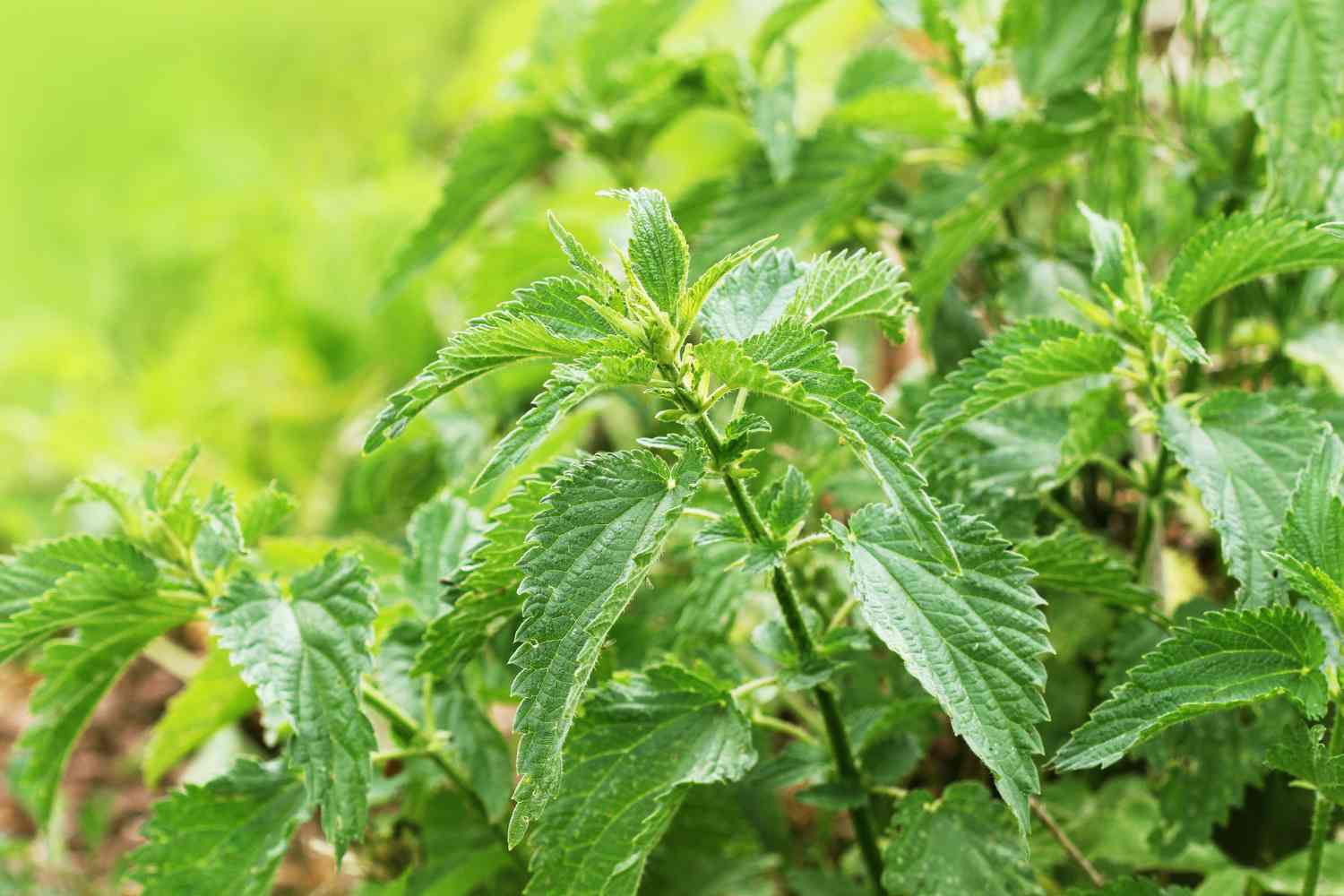
Nettle (Urtica dioica) is a spontaneous plant rich in bioactive substances, including polyphenols, flavonoids and various compounds with antioxidant properties. It also contains minerals and vitamins, the concentration of which varies depending on the part of the plant and the preparation method.
In the herbal tradition it has been used for the preparation of infusions, decoctions and rinses intended for the care of the scalp, especially in the presence of excess sebum and dandruff.
Its potential cosmetic interest mainly concerns the antioxidant and anti-inflammatory properties observed in some experimental research on its extracts. These effects could contribute to the well-being of the scalp, creating conditions favorable to the health of the hair follicles.
The distinction, however, is important: keeping the scalp in good condition and directly stimulating hair growth are two different results. To attribute a concrete action against hair loss to a nettle shampoo, clinical studies conducted on people are needed, capable of measuring changes in the density, thickness and growth of hair.
Great-grandmother’s method: how to use nettle to care for your hair
The routine described by Melody is based on a simple principle: pay attention to your hair before even getting into the shower, using plant-based products and limiting overly aggressive treatments. The young woman claims to have followed this method for five months, obtaining more voluminous and healthier-looking hair.
Here are the steps of his routine.
Apply argan oil before shampooing
The first step consists of distributing a small amount of argan oil on the lengths and ends, leaving it to act for about an hour before washing.
The objective is to protect the hair fiber and reduce the sensation of dryness, especially when the hair is long, treated or particularly fragile.
This measure also has an interesting scientific basis. A study published in 2022 in the Journal of Cosmetic Dermatology observed that pretreatment with argan oil reduced protein loss in human hair samples subjected to oxidative stress. These are experimental findings on fiber protection, rather than evidence of growth acceleration.
Wash your scalp with nettle shampoo
The second step is the central one: use a shampoo containing nettle extracts, massaging it gently into the scalp. Melody prefers silicone-free formulations, in the belief that they can make hair lighter and more voluminous. The choice of shampoo, however, also depends on the type of hair and the condition of the skin. A delicate formulation suited to your needs can be useful for removing sebum, sweat and cosmetic product residues, while preserving the comfort of the scalp. The method of application also matters: according to the American Academy of Dermatology, the shampoo should be concentrated above all on the scalp, allowing the foam to flow along the lengths while rinsing.
Lighten your routine, without giving up hydration
After a few months of using nettle shampoo, Melody says she eliminated conditioner because her hair already seemed soft and voluminous enough. It’s a personal choice, which can work differently depending on your hair structure.
For those with dry, curly or knot-prone hair lengths, conditioner remains an important ally: it helps to detangle the hair, reduces friction during combing and limits breakage.
The advice shared by some users also includes rinsing with diluted apple cider vinegar, a traditional remedy used to make hair shinier. Scientific evidence on its specific benefits remains limited, while excessive acidity can irritate the scalp. It is therefore better to favor products formulated specifically for cosmetic use.
Use nettle infusion as a final rinse
Another habit passed down from Melody’s grandmother concerns the use of nettle infusion after washing. In popular tradition, a decoction was prepared with the leaves of the plant, left to cool and used to rinse the hair.
The cosmetic use of herbal preparations, however, requires some precautions: spontaneously collected plants may contain contaminants, while home-prepared infusions have a variable composition and can deteriorate rapidly.
For those who wish to try this ingredient, a cosmetic product already formulated and subjected to the required checks offers greater convenience and a more predictable composition.
Melody also says that her family also regularly drank nettle tea. A tradition distinct from application on hair, which deserves specific evaluation.
Does nettle really make hair grow? What science says
The most interesting part of Melody’s story concerns a substance called dihydrotestosterone, or DHT, a hormone involved in androgenetic alopecia, one of the most common forms of thinning hair.
DHT is derived from testosterone through the action of an enzyme, 5-alpha-reductase. In genetically predisposed people, it can contribute to the progressive miniaturization of hair follicles, making the hair increasingly thinner.
Some experimental studies have observed that certain compounds present in nettle can interfere with the activity of 5-alpha-reductase. It is precisely this property that has attracted the attention of researchers interested in the possible uses of the plant against hair loss.
A scientific review published in 2025 examined several herbal remedies being studied for alopecia, including nettle, highlighting interesting preliminary results but also limitations in the quality and quantity of available evidence.
There is currently a lack of solid clinical evidence that a nettle shampoo, used alone, can stop hair loss or significantly accelerate hair growth. Furthermore, the results observed with concentrated extracts in the laboratory can be very different from the effects of a normal cosmetic product that remains on the scalp for only a few minutes.
Nettle therefore remains an interesting ingredient for natural cosmetics, especially due to the presence of antioxidant substances, while its use as an anti-hair loss treatment requires further confirmation.
Does drinking nettle tea help your hair grow?
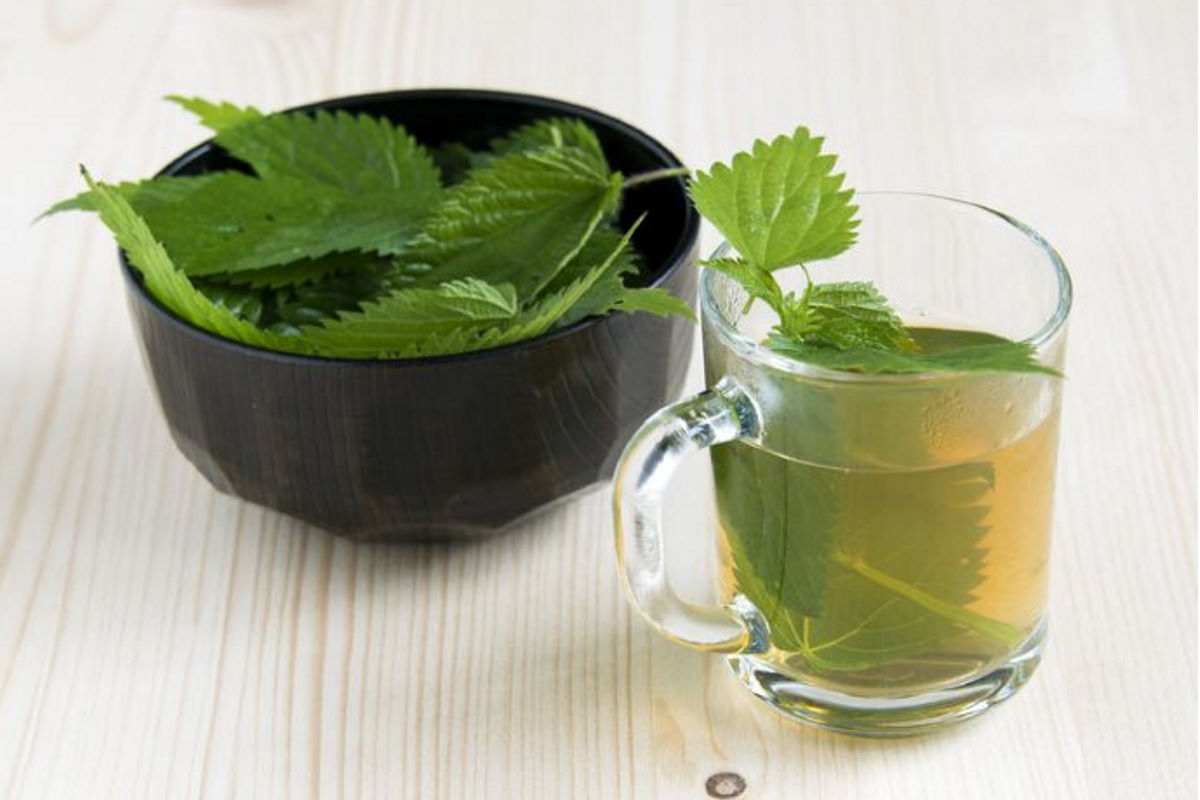
A second habit from family tradition also appears in Melody’s story: regularly drinking a nettle infusion.
The plant contains iron, zinc and other micronutrients involved in numerous functions of the body, including those necessary for maintaining healthy hair.
An iron or zinc deficiency can actually contribute to thinning hair. However, the amount of nutrients present in a herbal tea depends on several factors, including preparation and infusion time.
Drinking nettle herbal tea can represent a pleasant dietary habit, but the available evidence is insufficient to consider it a remedy capable of directly stimulating hair growth.
The regular intake of concentrated herbal preparations also requires attention, especially during pregnancy, in the presence of pathologies or when taking medications.
The real secret to having longer hair could be preventing it from breaking
There is one aspect of the routine told by Melody that deserves particular attention: the difference between making your hair grow faster and being able to keep it long.
Hair grows on average about one centimeter per month, with individual variations related to genetics, age, health conditions and other factors.
Their final length also depends on their ability to resist breakage. Fragile hair, frequently subjected to intense heat, aggressive treatments or vigorous brushing, can break before reaching the desired length.
For this reason, some of the habits found in great-grandmother’s method, such as protecting the ends before washing and using gentle cleansers, can have a positive effect on the overall appearance of the hair.
The American Academy of Dermatology also suggests paying attention to your daily routine: choose shampoos suited to your hair type, use conditioner to reduce knots and breakage, limit heat and detangle lengths delicately.
In the presence of heavy, sudden or persistent hair loss, it is important to contact a dermatologist to identify the causes, which may include genetic factors, hormonal imbalances, nutritional deficiencies or scalp conditions.
The remedy handed down by the Slavic great-grandmother therefore retains an interesting element: the idea that taking care of your hair also means protecting it over time, through simple and constant gestures.
Nettle can find space in this routine as a herbal ingredient of the herbal tradition, while its presumed ability to make hair grow to the waist remains, for the moment, a promise to be verified scientifically.
