
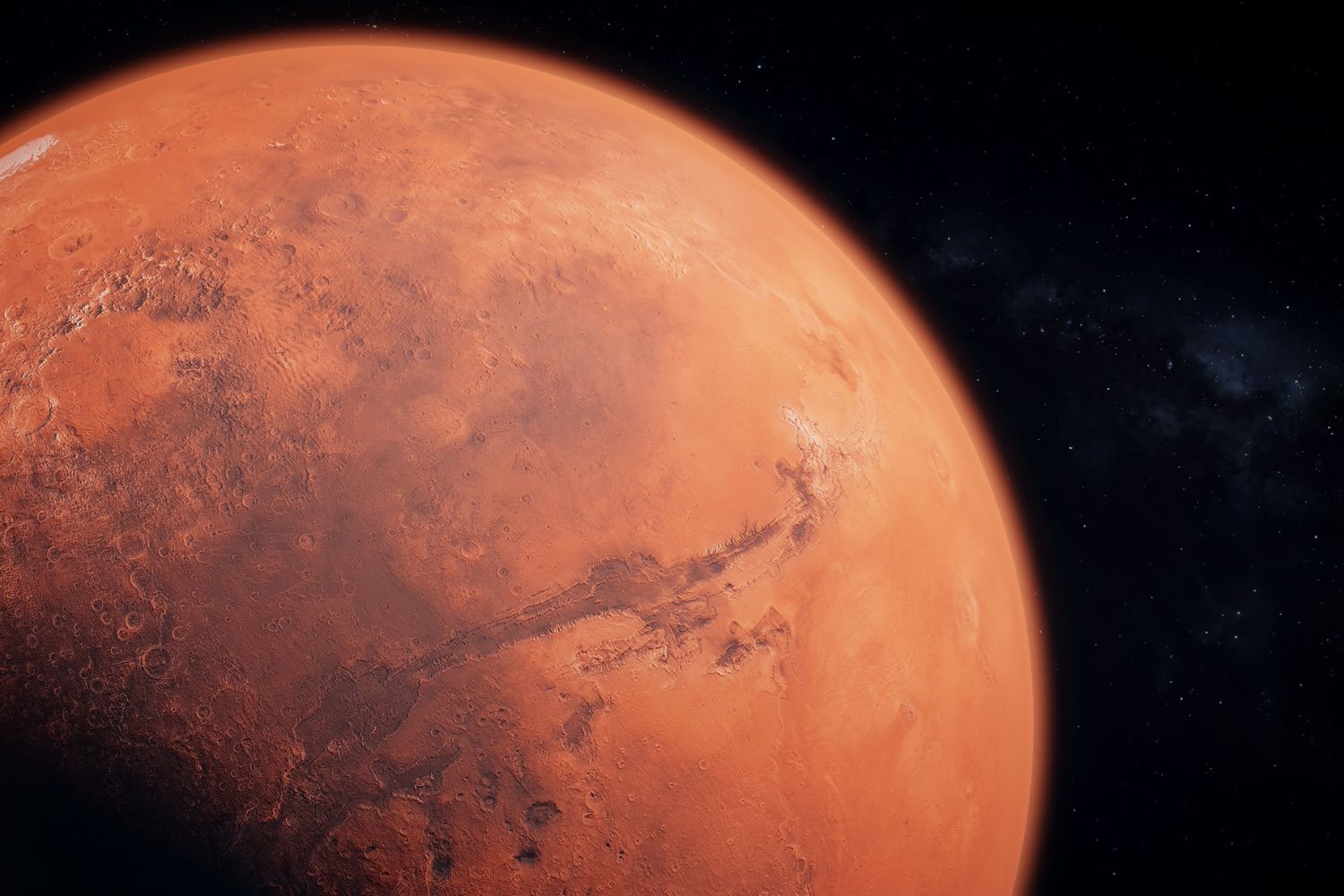
Life on Mars? NASA has just announced during a press conference that she had found one biological signature on a rock sample collected by the Rover Perseverancetrace of a form of life hosted in the past by Red planet. The sample is the best candidate so far to provide evidence of oneAncient microbial life on Mars.
The sample that contains potential biofrar, called ‘Sapphire Canyonwas collected in particular in 2024 by an ancient bed of dry river in the crater Jezero of Mars, taken from a rock called ‘Cheyava Falls‘.
This discovery of perseverances (…) is the closest we have ever achieved to discover life on Mars – announces Sean Duffy, of the NASA Directorate Mission Science – the identification of a potential biofirma on the red planet is a revolutionary discovery and which will make our understanding of Mars progress
Live Now: Join Nasa Leaders and Experts for A Discussion About Science Findings on Mars. https://t.co/6ynz2nakit
– NASA Mars (@nasamars) September 10, 2025
When and how the discovery was made
The rover Perseverance has landed on the Red planet In February 2021 with goals that include the Search for ancient traces of microbial life. The rover is therefore studying the geology of Mars and its past climate, and the first mission is the first to collect rock and Martian regions.
Perseverance he discovered in particular the Cheyava waterfalls in July 2024 while exploring training ‘Bright Angel‘, a set of rocky outcrops on the northern and southern margins of the Valle della Neretvaan ancient 400 meters wide river valley, dug by the water, which flowed into the crater Jezero A long time ago.
The scientific tools of the Rover have discovered that the sedimentary rocks of the training are composed of clay and siltwhich, on earth, are Excellent preservatives of past microbial lifeand which are also rich in organic carbon, sulfur, oxidized iron (rust) and phosphorus.
The combination of chemical compounds that we found in the Bright Angel formation could have been a rich source of energy for the microbial metabolism – explains Joel Hurowitz, the main author of the study – but the fact that we had seen all these convincing chemical signatures in the data did not mean that we had a potential biological signature. We had to analyze the meaning of those data
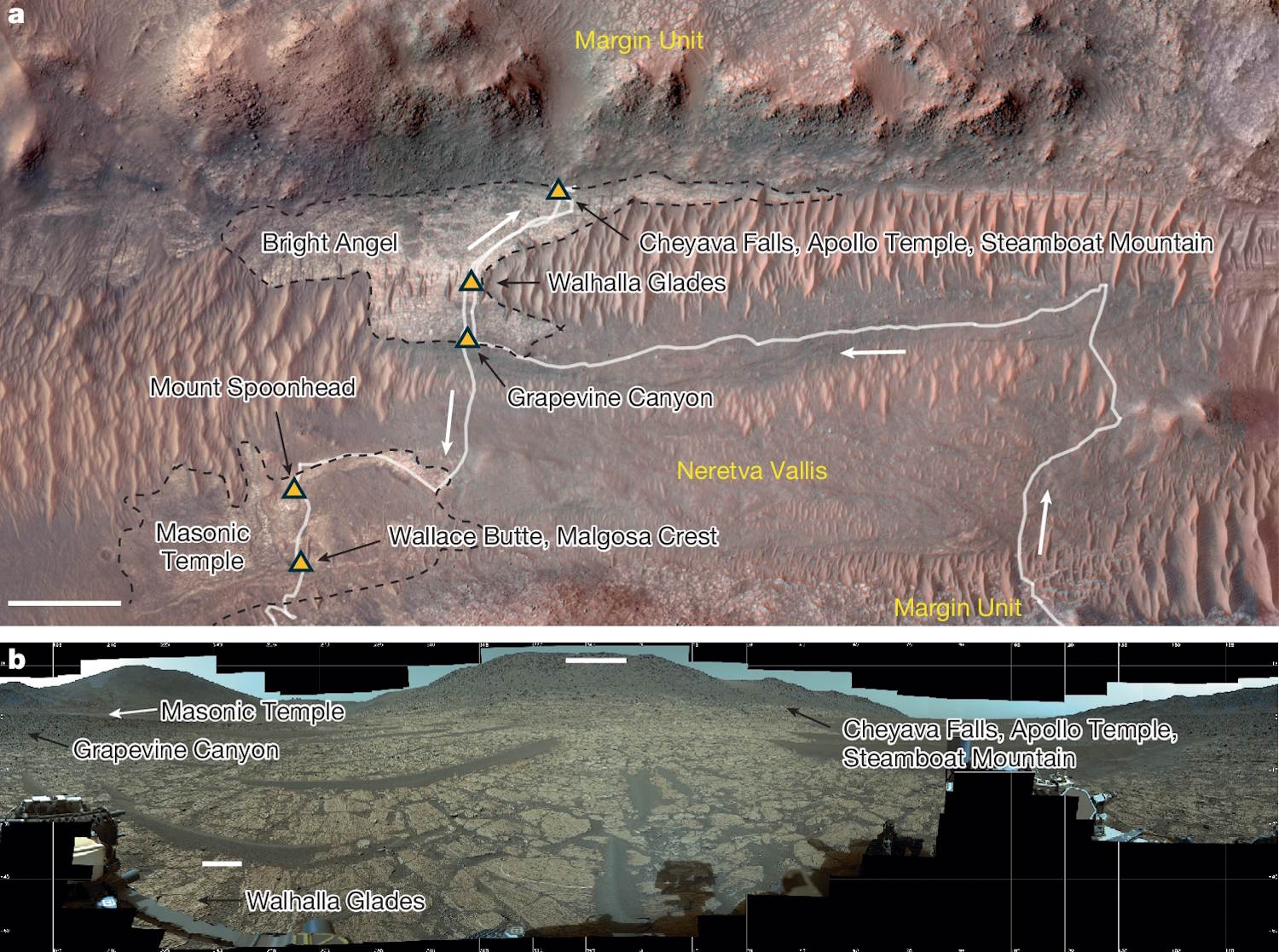
The rover He then made an image, composed in turn by 62 single images, on 23 July, which immortalizes a nicknamed rock ‘Cheyava Falls‘, whose characteristics could indicate that the red planet has really hosted life forms in the past, as repeatedly hypothesized.
What are the biofrar
During the investigation on Cheyava Fallsthe scientists found that the rock, which is a top -shaped 1 meter flagship for 0.6 meters, had colored spots on the surface, which may have been left by microbial life if this had really used carbon, sulfur and phosphorus present in the rock as source of energy.
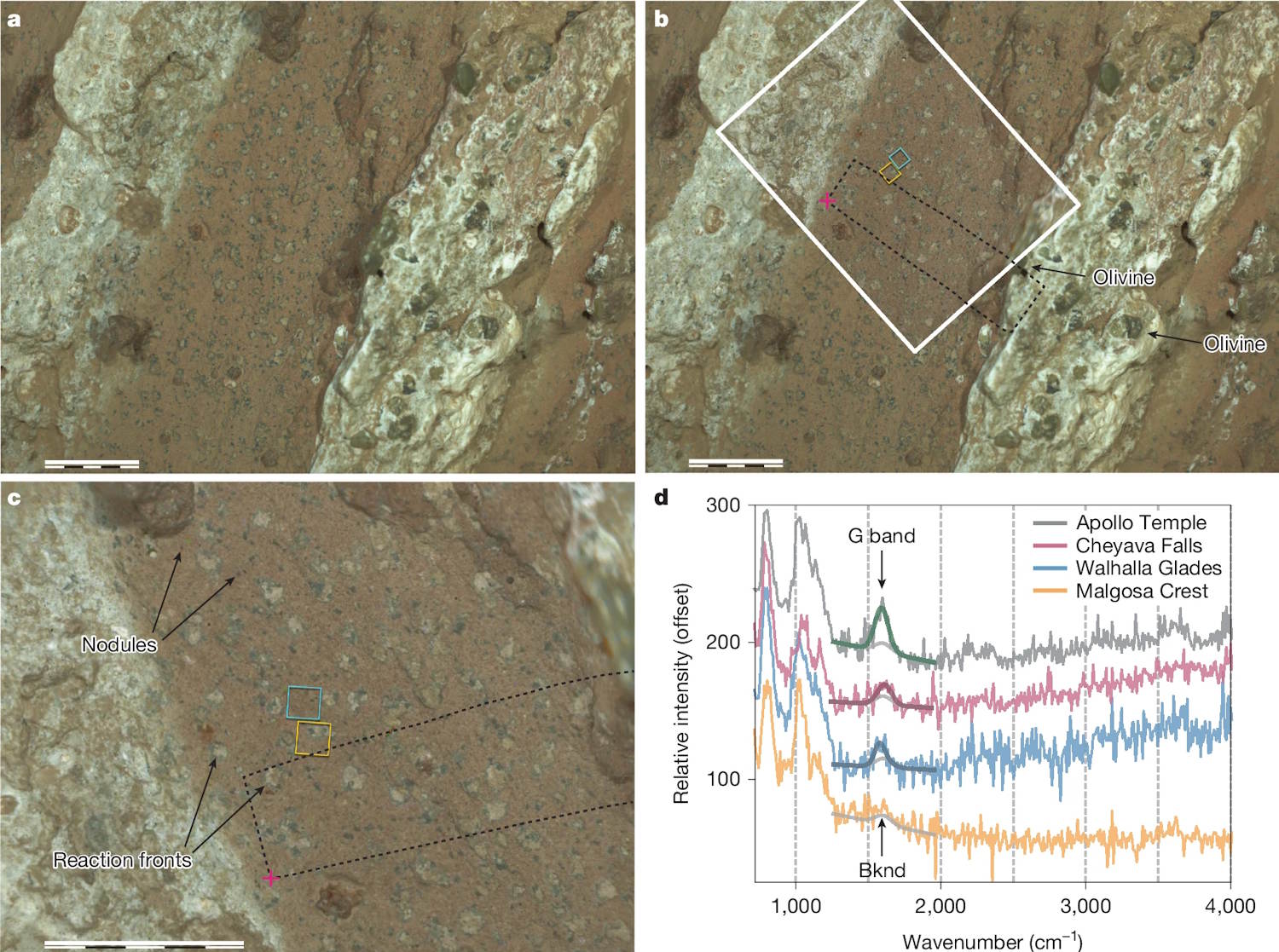
In high resolution images, the tools also detected a distinct arrangement of minerals arranged as if chemical and physical reactions actually had occurred, which the team called ‘leopard stains‘.
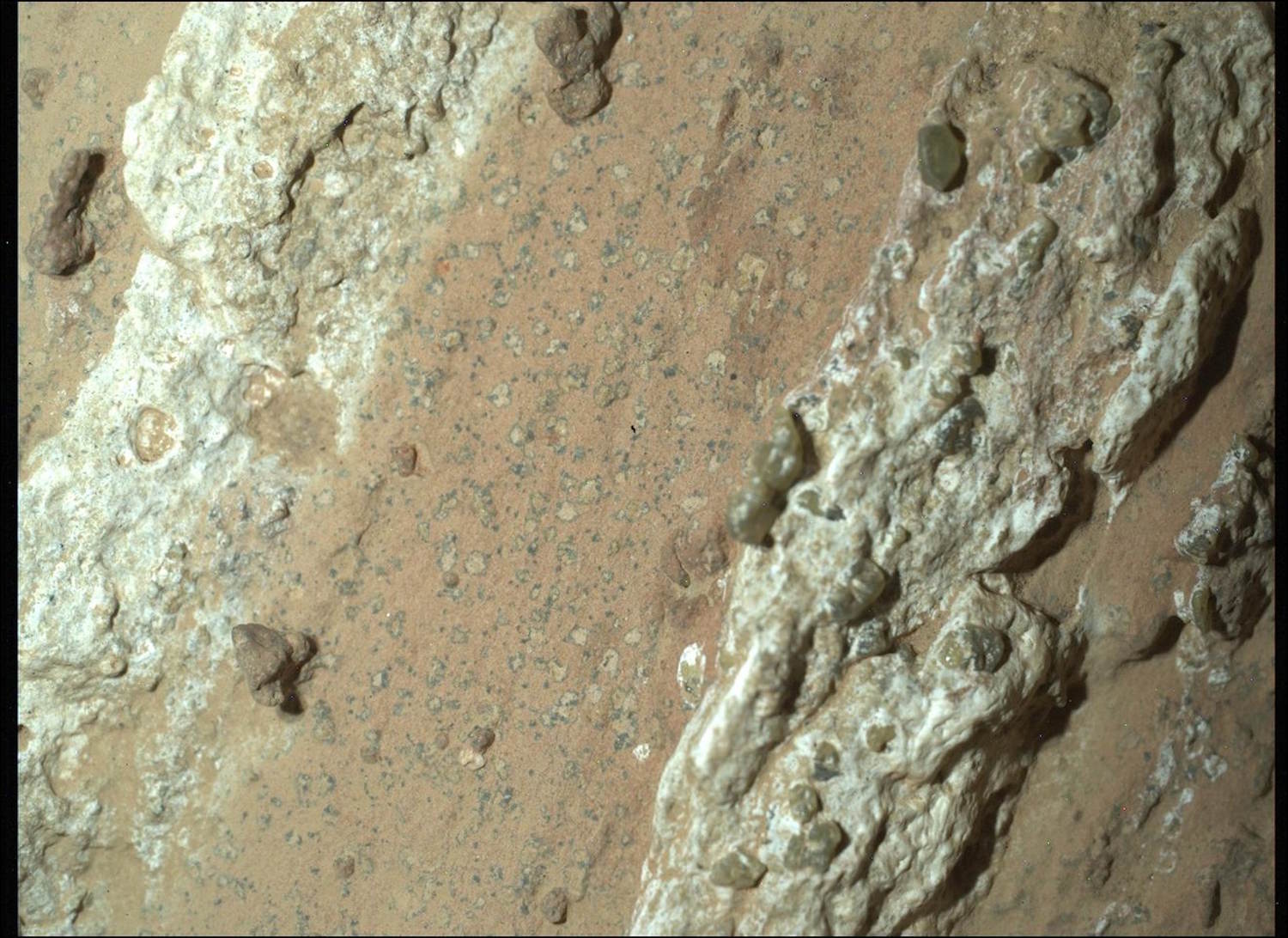
These spots carried the Signature of two iron -rich mineralsVivianite and Greigite. The first is frequently located on earth in the sediments, in the tobles and around the organic matter in decomposition, but also the gigite can be produced by some forms of microbial life on our planet.
The combination of these minerals, which seem to have made up of electrons transfer reactions between the sediment and organic matter, represents a potential digital imprint for microbial lifewhich may have used these reactions to produce useful energy to its growth.
The discovery was particularly surprising because it concerns Some of the younger sedimentary rocks ever studied by the mission. An previous hypothesis hypothesized that the signs of ancient life were confined to the oldest rock formations, but this discovery suggests that Mars may have been habitable for a longer or later period In the history of the planet of what was previously thought, and that even the oldest rocks could contain signs of life simply more difficult to detect.

The caution of scientists
As NASA explains, a potential biofirma is a substance or structure that could have a biological originbut which requires further data or studies before being able to reach a conclusion on the absence or the presence of life.
In fact, the identified minerals can also be generated abnormallyor in the absence of life: in fact, there are ways to produce them without biological reactions, including prolonged high temperatures, acid conditions and bonds with organic compounds.
In reality, the rocks of Bright Angel They do not seem to have experienced high temperatures or acid conditions, and it is not known whether the organic compounds present would have been able to catalyze the reaction at low temperatures. But scientists are still very cautious.
Astrobiological statements, in particular those relating to the potential discovery of past extraterrestrial life, require extraordinary tests – reports Katie Stack Morgan, scientist of the Perseverance project at the NASA Jet Propulsion Laboratory – transmit such a significant discovery as a potential biofirma on Mars in a publication subjected to revision of the scientific community is a crucial step, because it guarantees the penalty, the validity, the validity, the validity. And the significance of our results. And, although the abiotic explanations for what we observe to Bright Angel are less likely, given the results of the article, we cannot exclude them
Of course, scientists will continue on this path, with the aim of really disposing of the queen test.
The work was published on Nature.
Sources: NASA / NASA / X / NASA / YouTube / JprRaw / YouTube / Nature
