
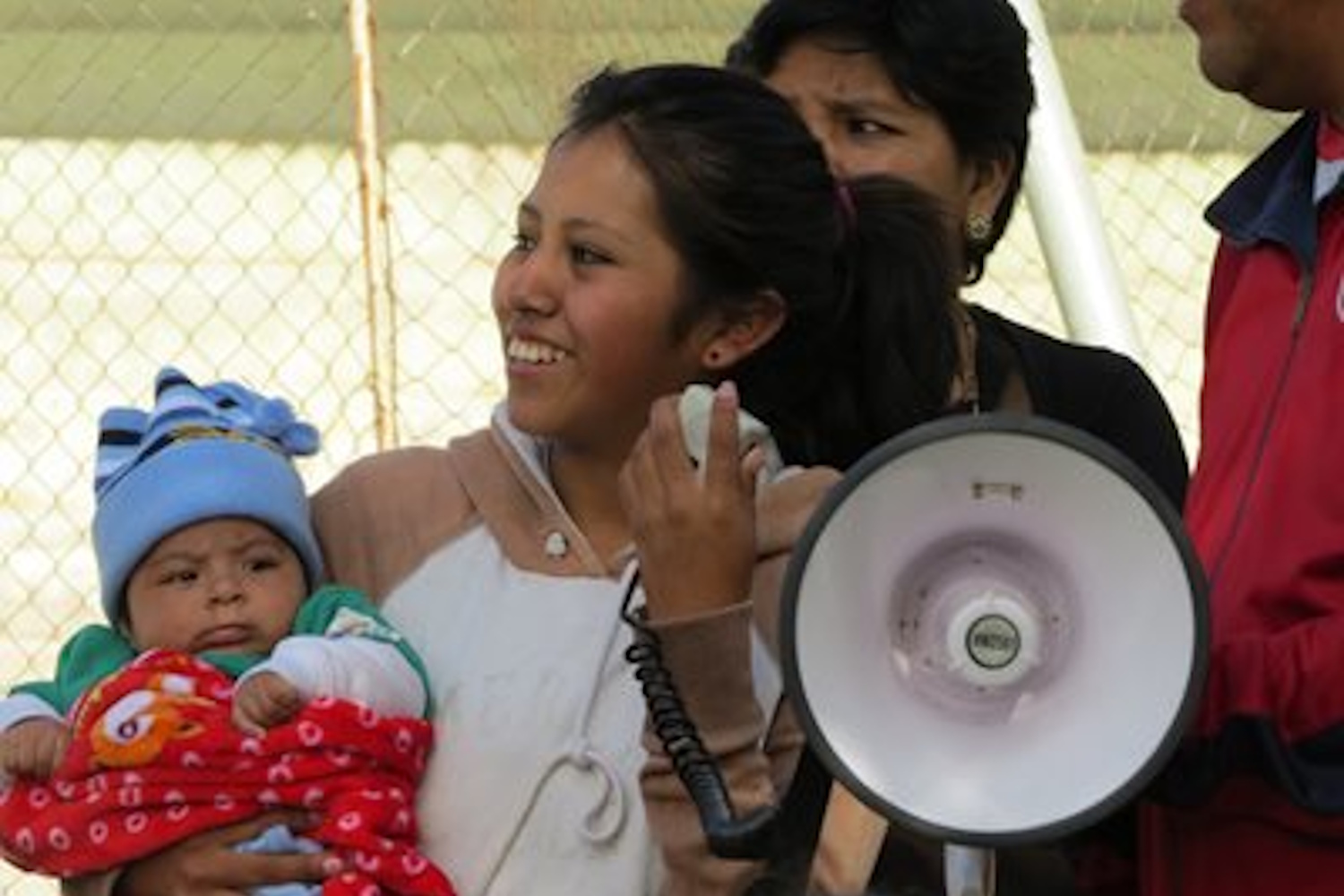
In many parts of the world, the border between childhood and adulthood dissolves too early. Not for a personal choice, but for decisions taken by others: families, community, legal systems that have closed too long. Every year, millions of girls and teenagers are forced to marry, often before being 18 years old, losing not only freedom, but also the right to grow, study, dream.
In this global context, Bolivia has taken a historical step in these days: the Parliament and the executive have approved a reform that prohibits every wedding and union under the age of 18, definitively erasing the legal exception that allowed the minors to marry already at 16 with the consent of the parents or a judge.
A raw reality: weddings from 12 years old
Between 2014 and 2023, over 5,000 weddings and minors unions were recorded in Bolivia, some from 12 years of age.
A report by the office of the civic defender reveals disturbing numbers:
Behind these figures there are real stories, often marked by poverty, inequality and violence. Families who, in the hope of guaranteeing children a better life, “arrange” them with early marriages, without realizing that they expose them to new risks: abuse, exploitation, forced pregnancies, social isolation.
There are families who marry their children because of poverty, thinking that perhaps they will have a better quality of life. But the reality is different: many girls suffer violence, feminicides, rapes, says Senator Virginia Velasco, promoter of the law.
#Pretesdelos18 #matrimimonfantil #Gestiónlegislativa #senadoravirginiavelasco
Posted by Virginia Velasco Condori On Wednesday, September 17, 2025
With this law, Bolivia aligns with international standards and the United Nations Recommendations and the Intemeralian Commission for Human Rights.
A global problem, not far from us
The rule represents a legal barrier against rooted and often invisible practices, which do not belong only to distant cultures: early marriages continue to occur all over the world, even in European countries through religious unions or weddings celebrated abroad.
According to UNICEF, in fact, one in five girls in the world marries before the age of 18. Each early marriage represents a violation of human rights, but also a chain that perpetuates poverty, illiteracy and gender inequality. The girls forced to marry early are less likely to complete the school, more likely to suffer domestic violence and complications during pregnancy, and often remain excluded from the community decision -making processes.
The Comunidad de Derechos Humanos celebrate the Aprobación de la Ley que prohíbe el marriage y la unión libre de meores de edad en bolivia. Destacan that if deceived of an Avance Histórico que protage a Niñas y Teencenses, guaranteeing on salud y on derecho to decide sobre on the future sin ser ForaDas a situaciones de vulnerabilidad.
Posted by Cámara de Diputados of the Estodo plurinacional de Bolivia on Thursday, septamber 18, 2025
The Bolivian reform is an important milestone, but the road does not end there. Because a law really works, a profound cultural change is needed: awareness of communities, education, access to services, social protection.
The political will is needed, but also the mobilization of civil society and international institutions to ensure that no child is deprived of their childhood.
Bolivia shows us that changing is possible. Prohibiting early marriages means protecting the future, not only of children, but of the entire society.
Sources: Defensor del Pueblo / Cámara de Diputados of the Estado plurinacional de Bolivia
