

There are those who choose it with hazelnut, those with fruit, those who make it a question of daring combinations, those like me who just can’t give up chocolate. Ice cream, in Italy, is much more than a dessert: it is culture, ritual, emotion. But behind an innocent-looking cup there may be a less poetic truth hidden, because not everything that seems artisanal really is. And distinguishing it is not a whim for purists: it is a question of quality, health and above all taste. Especially now that the market has become further crowded with products that mimic craftsmanship with an almost theatrical precision.
It often happened to me, while walking in the summer, that I was seduced by colourful, inviting shop windows, with imaginative names such as “rainbow unicorn” or “magic pistachio”. Once tasted, however, the ice cream seemed more like a marketing exercise than a product worthy of Italian tradition. So, the question is simple: how do you recognize a real artisanal ice cream? Let’s look at some precautions – also updated in light of what the most recent research on ingredients, additives and food awareness tells us.
Pay attention to the color
You can find the first sign immediately, already with your gaze. Color tells many more things than it seems. A pistachio that is too green, a phosphorescent yellow lemon, a strawberry tending towards fuchsia: all warning signs. The natural flavors have soft, pastel shades, never violent. If the color is bright, there are probably artificial colors – and recent studies by the EFSA (European Food Safety Authority) continue to monitor some of these additives for potential effects on attention in children. If there are dyes, we are certainly not talking about craftsmanship, but about a product built on the table.
Seasonality matters (more than ever)
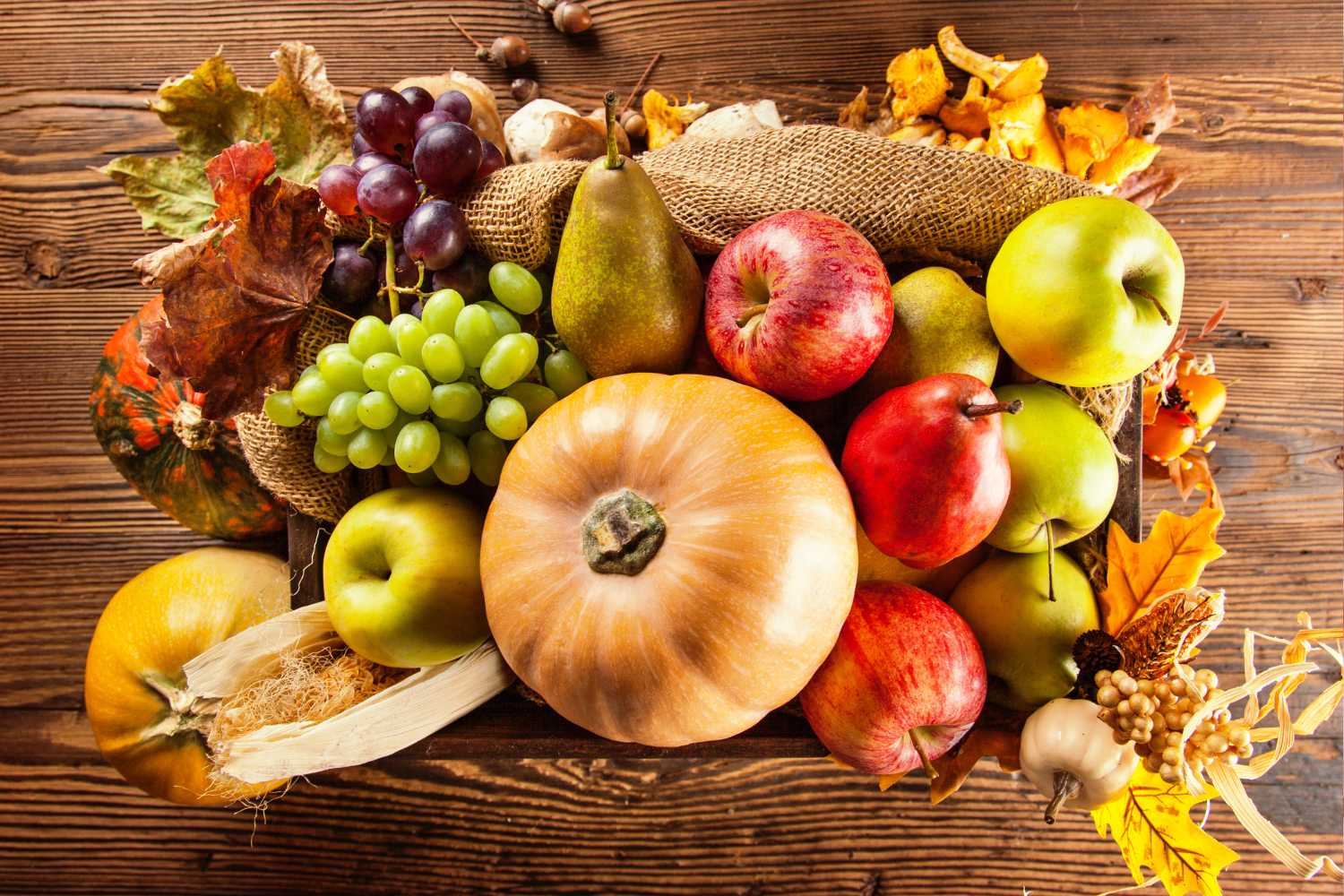
Strawberry in January? Melon in December? No thank you. The serious craftsman follows the seasons, works with fresh fruit, never relies on frozen bases and/or industrial semi-finished products. Of course, there are preservation techniques, but a good ice cream maker prefers to give up the out-of-season flavor rather than offer it in a synthetic version. And at a time when the short supply chain and sustainability have become values increasingly felt by consumers, choosing seasonal ice cream is also a small gesture in favor of the territory and the environment.
Volume: shape does not make the man
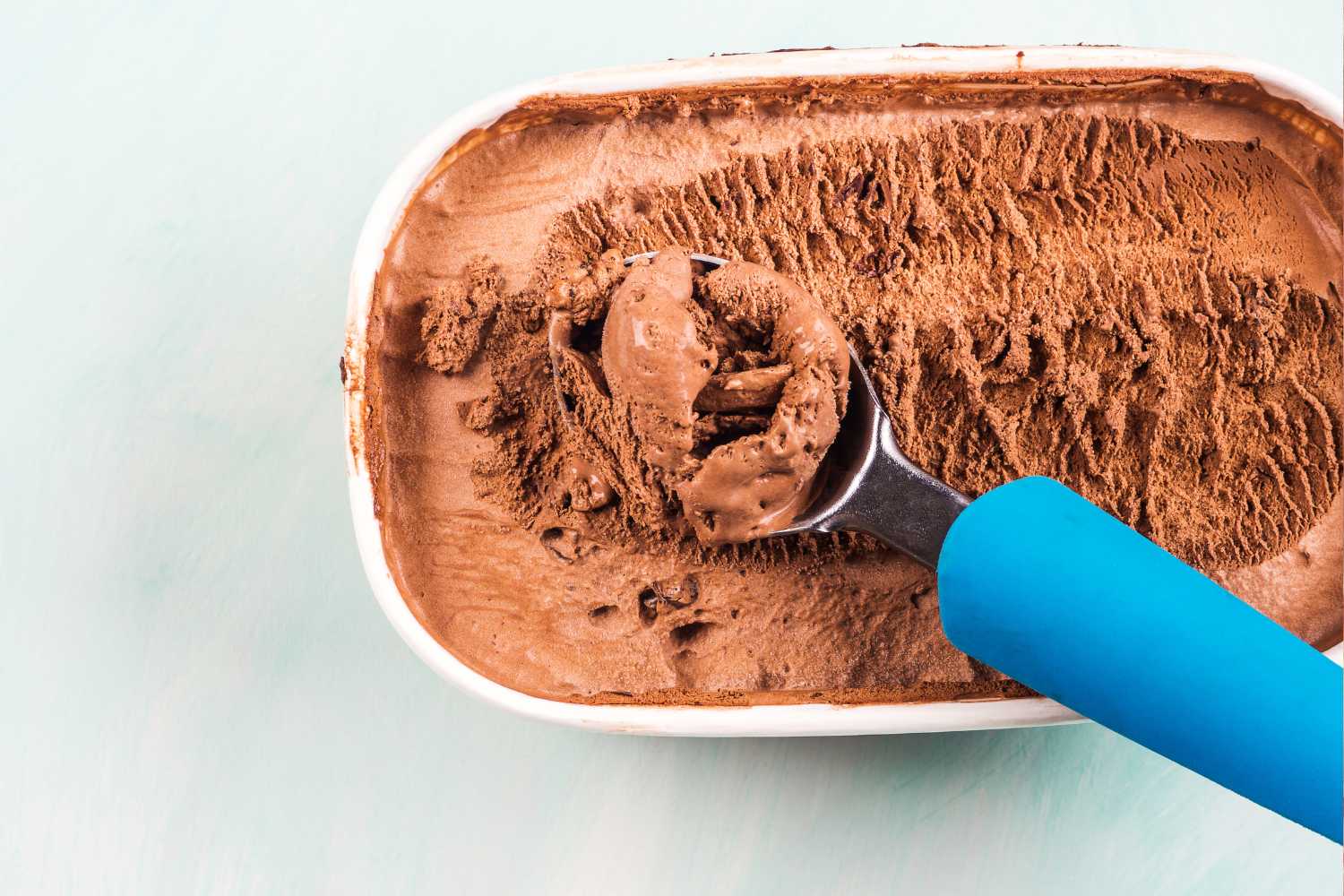
If the ice cream comes out of the tub in spectacular, tall swirls, as soft as whipped cream, the trap is set. That swelling is often due to incorporated air and stabilizers that serve to extend the life of the product. The so-called “overrun” – or the percentage of air incorporated – in industrial ice creams can exceed 100%, which means you are paying for half a cup of air. An artisanal ice cream remains more compact, less spectacular, but infinitely more authentic.
Taste doesn’t lie

This is where the real game is played. A hazelnut flavor must taste like hazelnut, and not like sugar or generic flavourings. Ditto for chocolate, almond or cream. If you close your eyes and can’t recognize what you’re eating, something is wrong. True craftsmanship respects the raw material, enhances it, not the mask. The most attentive ice cream makers today even indicate the origin of the raw materials – Piedmont PGI hazelnuts, PDO Bronte pistachios, single origin cocoa – a further sign of seriousness and transparency.
Meltability: a subtle balance

A well-made ice cream melts slowly, gracefully. It doesn’t stick to the palate, it doesn’t leave the mouth greasy, it doesn’t turn into a liquid puddle after a few minutes. The ideal consistency is creamy but light, fresh, clean. If you get a heavy coating in your mouth, or feel the need to drink, you may have eaten more fat and sugar than necessary. The meltability, among other things, also depends on the serving temperature: artisanal ice cream should be served between -11°C and -13°C, not colder, to enhance its creaminess.
The water test

There is a little trick that can clear up any doubts: drink a glass of water after finishing the ice cream. If the flavor fades quickly, that’s a good sign. If, however, it remains persistent, cloying, that cup was probably filled with sugars and additives. It’s not a scientific method, but it’s a surprisingly reliable sensory indicator – and artisan ice cream makers know this well.
Sweetness isn’t everything

Sugar also has a technical role, not just a gustatory one: it helps keep the ice cream soft. But exaggerating is a moment. Too much sugar, and the ice cream is excessively sweet, or too soft; too little, and it becomes hard, almost grainy. The expert ice cream maker knows how to dose, calibrate and find the right balance. There is also a growing trend towards ice creams with a reduced content of added sugars, with natural sweeteners such as honey or dates, without however sacrificing the quality of the final result.
Be careful of ice crystals

Another sign of poor quality – or poor preservation – are ice crystals. If you find them in your cone, forget it. It means that the ice cream has undergone temperature changes, has been stored poorly, perhaps thawed and refrozen. Simply put, it’s not fresh. And freshness, in artisanal ice cream, is not a detail: it’s everything.
Recognizing an artisanal ice cream requires a little attention, it’s true. But once you learn the signs, there’s no going back. Because when you taste real ice cream, the one prepared with fresh ingredients, in small quantities, with care and passion, the difference is noticeable – and later it will be difficult to settle for something different.
Personally, I have learned to trust simple ice cream shops, which do not show off, which have few flavors but are well made. The ones in which the ice cream maker tells you where the hazelnuts come from, or tells you that the strawberry isn’t available today because “it’s not good yet”. Here, there I know that I can sit calmly, order two flavours, and indulge in one of the most beautiful little pleasures of summer.
And you? Do you already have your trusted ice cream maker?
