
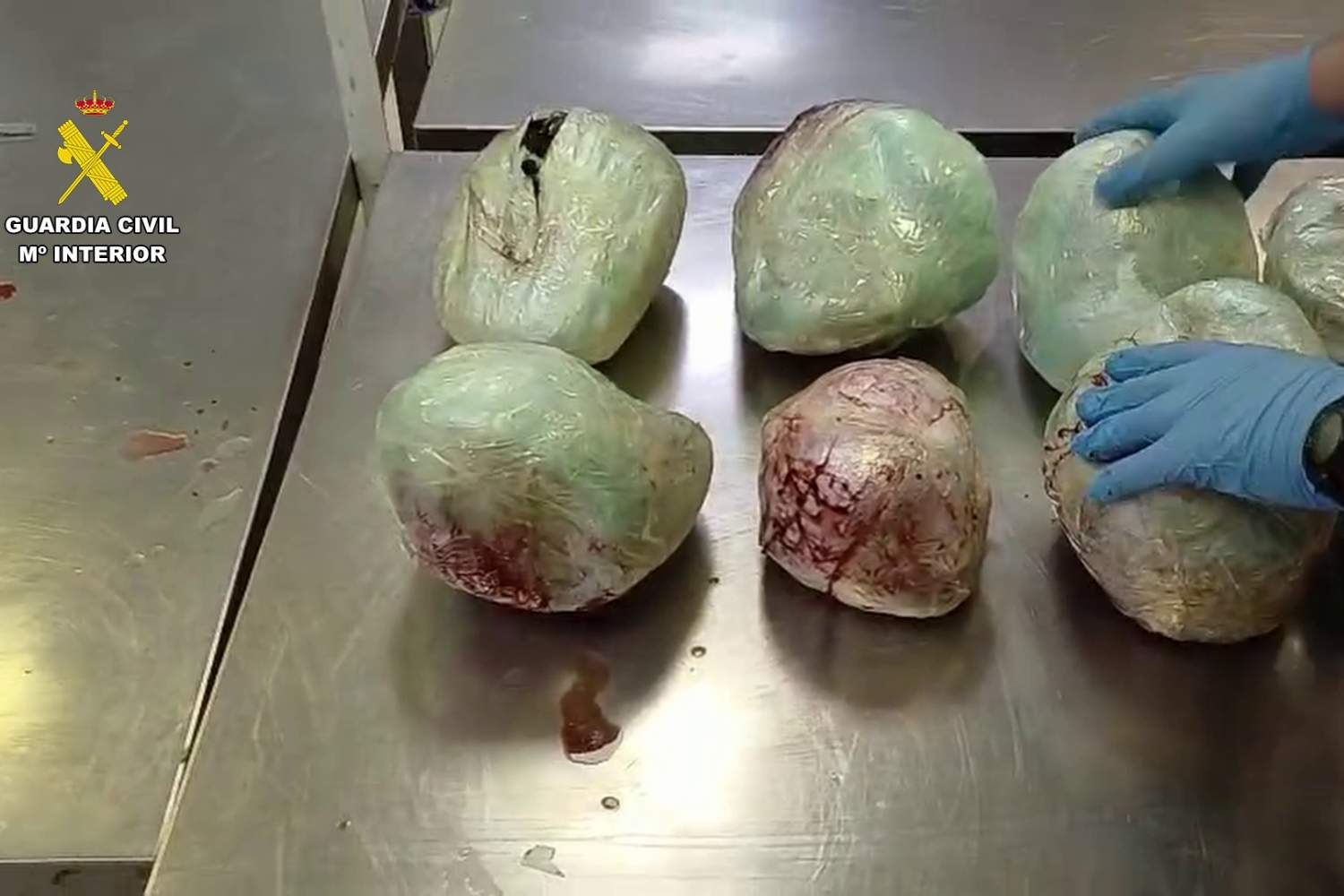
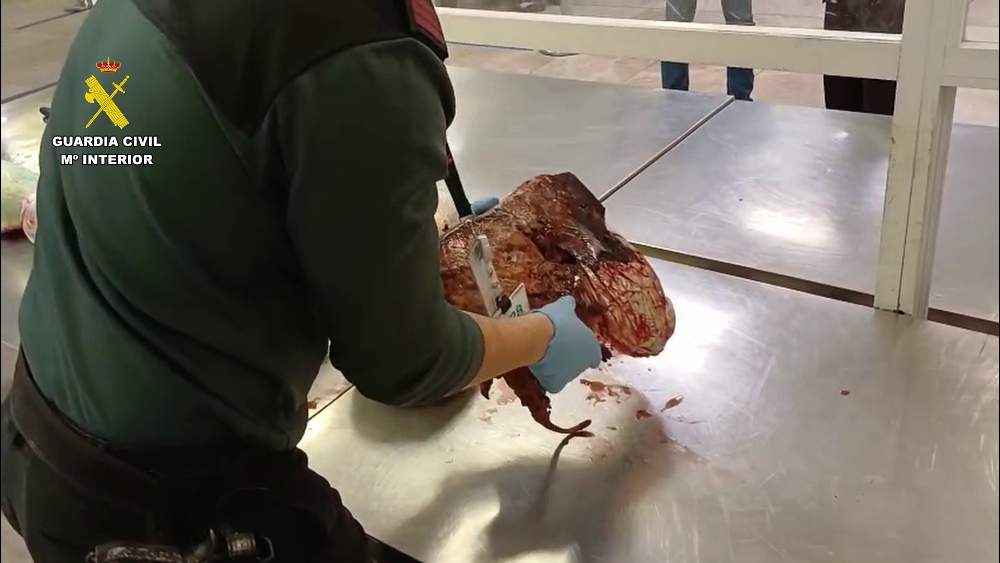
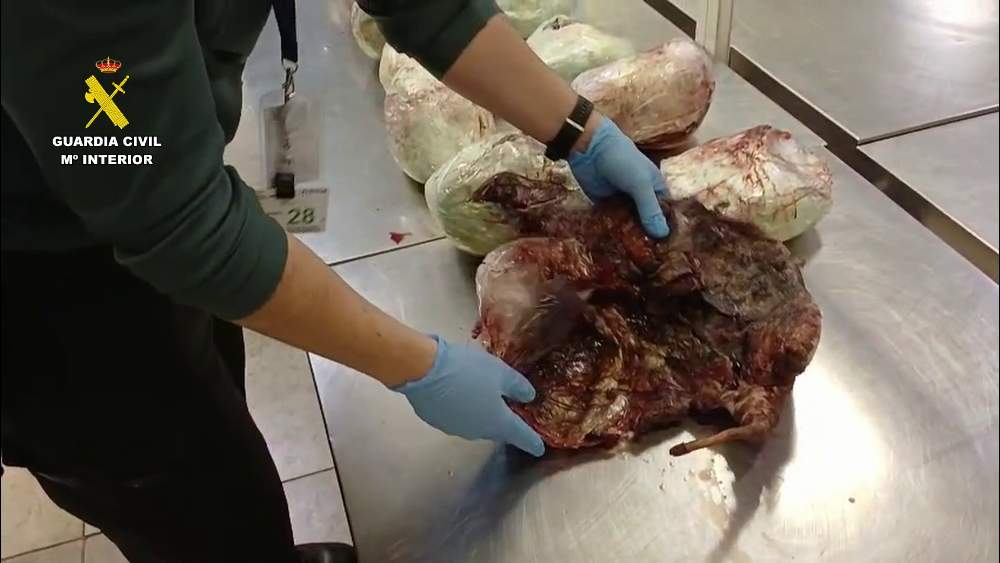
A routine customs check turned into a shocking discovery at Adolfo Suárez Madrid-Barajas airport, in Madrid. Inside the suitcase of a passenger who had just landed from Addis Ababa, Guardia Civil agents found fifteen dead pangolin specimens, carefully wrapped in plastic and stuffed in her luggage. It was the X-ray analysis that revealed anomalies in the densities and shades of the contents. A sufficient signal to proceed with opening the suitcase, in the presence of the owner. Inside, about 40 kilograms of protected animals.
A symbol species of global poaching
Pangolins are among the most trafficked mammals in the world. Covered in scales, often victims of illegal demand linked to traditional medicine and the black market, they are included in Appendix I of CITES, the maximum level of protection provided for by the Convention on International Trade in Threatened Species.
This means that their trade is prohibited except for very rare scientific exceptions. Yet the traffic continues to feed an underground network that crosses continents, airports and commercial ports. The operation is part of the fiscal and border control activities carried out by the Civil Guard to combat smuggling, drug trafficking and economic crimes. But the seizure of protected species adds a further level of gravity: here we are not just talking about illegal goods, but about threatened biodiversity.
Investigation underway for crime against wildlife
The passenger is now under investigation for a crime against wildlife, as required by the Spanish Criminal Code. The fifteen specimens were entrusted to the national CITES authority for analysis, cataloging and evaluation of the case. Behind those lifeless bodies lies a phenomenon that experts define as among the most profitable in the world: wildlife trafficking moves billions of euros every year, often intertwined with international criminal organizations.
The interception in Madrid is not an isolated episode, but a piece of a broader fight against the illegal trade in protected animals. Each seizure represents a barrier, but also proof that the pressure on the illegal markets remains very high. And as the investigations continue, an inevitable question remains: how many more shipments manage to escape controls?
You might also be interested in:
