
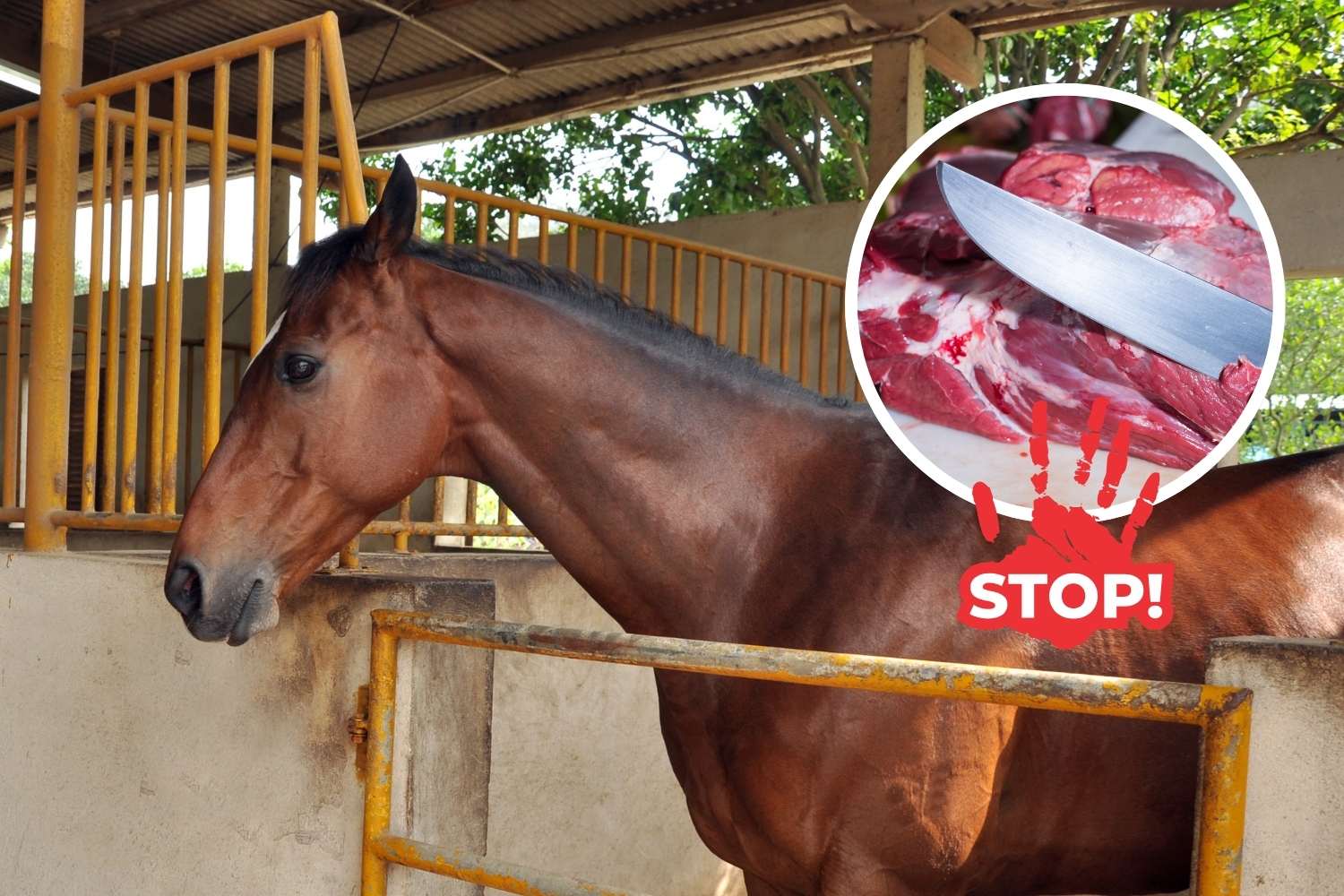
Parliament is preparing to discuss a bill destined to shake up the country: to ban the slaughter of horses, donkeys, mules, ponies and hinnies and recognize them as pets. The initiative, which landed in the Environment Commission, bears the signature of deputies Susanna Cherchi (M5S) and Luana Zanella (Avs), with a similar proposal also supported by Michela Brambilla. A transversal axis that aims to overcome political divisions on an ethical and cultural theme.
View this post on Instagram
From the wording “non-dpa” to the mandatory microchip
The heart of the text aims to attribute the term “non-Dpa” to equids – not intended for food production – making their slaughter for commercial purposes impossible. But it is not just a symbolic question. The proposal provides for mandatory registration in the registry, with the inoculation of an electronic microchip to track each animal. Anyone who does not comply with the obligation risks fines of between 20 and 50 thousand euros. A system designed to prevent gray areas and strengthen controls along the entire supply chain.
Declining numbers and niche market
The data photographs a reality already in transformation. From 2012 to today, slaughters have dropped drastically: from over 4,600 animals to just over 2,000 at the beginning of 2025. The consumption of horse meat remains limited: according to an Ipsos report released by Animal Equality Italia, only 17% of meat consumers say they eat it at least once a month. A minority segment, while 83% say they do not consume it at all, often out of empathy towards the animal.
Pressure from associations and investigations
The parliamentary process comes after years of campaigns and petitions. Matteo Cupi, executive director of Animal Equality Italia, talks about “significant political passage” and promises vigilance at every stage of the discussion. The association has documented alleged irregularities in some plants, including the Zerbini & Ragazzi slaughterhouse in Emilia-Romagna, on which the Reggio Emilia Prosecutor’s Office started investigations after a complaint. Critical issues that contribute to strengthening the need for a definitive stop.
Meanwhile, the debate is spreading beyond national borders. In 2020, Greece banned horse slaughter, setting a European precedent. Now Italy could follow that path, transforming a historical practice into a closed chapter. The discussion has just begun, but the stakes are high: not just a regulatory change but a choice of civility.
Recognizing equids as life companions and not as commodities means aligning the law with a sensitivity already widespread in society. The objective is clear: an end to slaughter, full protection, respect without compromise. Now the word passes to Parliament, but the direction is set.
You might also be interested in:
