
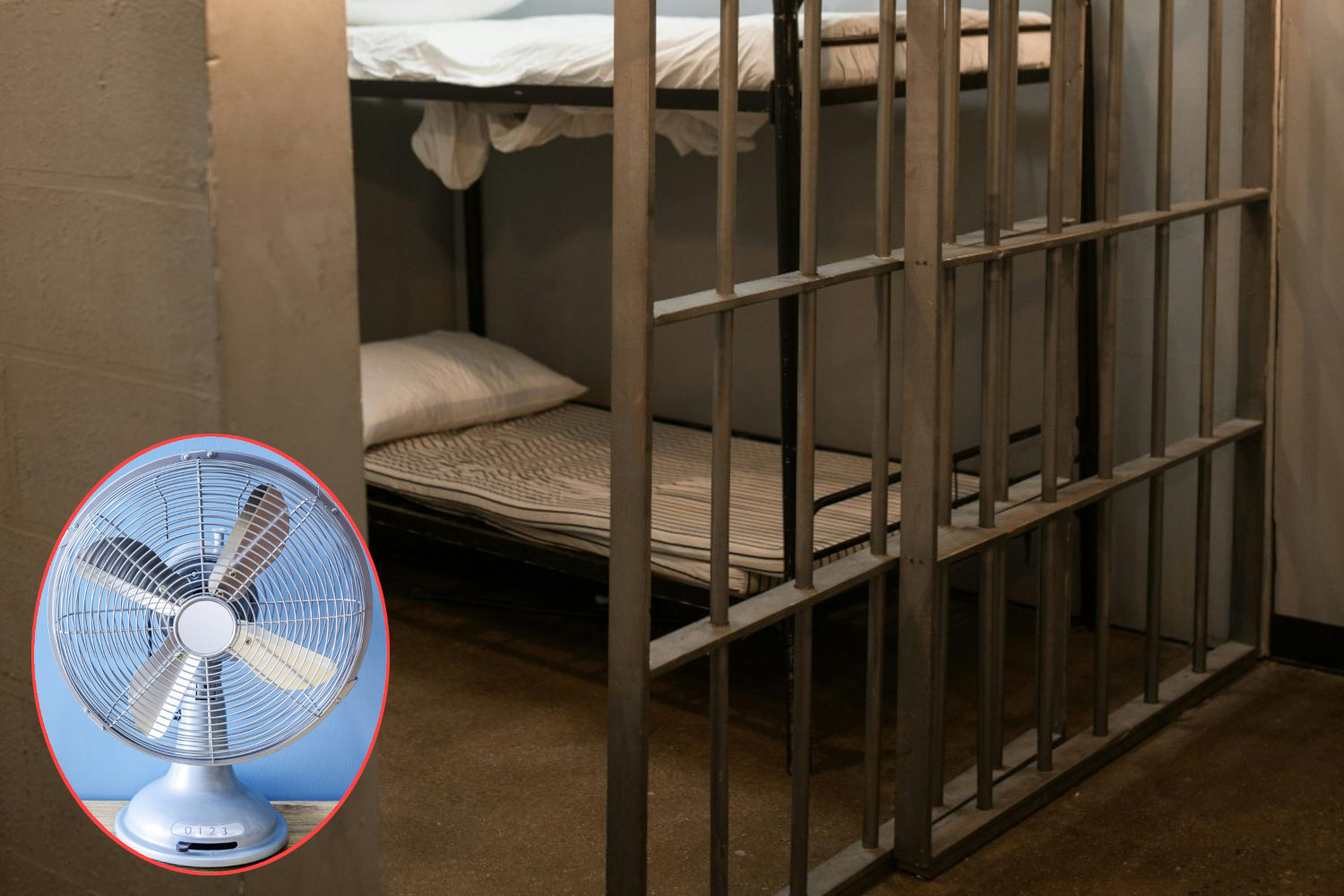
The hot heat that is hitting Italy does not spare the prisonwhere life conditions become increasingly unsustainable. In response to this climatic emergency, the Orders of the lawyers of Rome and Bologna have decided to intervene concretely, donating fans to prisoners To try to make the air at least breathable inside the cells. A symbolic but also deeply human gesture, which reaffirms the value of fundamental rights even in the most forgotten places.
In Rome donated over 100 fans
TO Romethe order of lawyers purchased over 100 fansto be distributed in the institutes of Rebibbia and Regina Coeli. The decision was born from the need to protect the Health and the dignity of imprisoned people, especially in a period in which the heat reaches extreme peaks.
As Paolo Nesta, president of the Council of the Order said, right to dignity and health It belongs to every human being, even to those who are deprived of personal freedom. The initiative therefore arises as an ethical response as well as practice, aimed at soothing the daily discomfort lived in often defined inhuman conditions.
Bologna: 40 fans at the Dozza prison
Also in Bologna, where the prison of the Doness record a overcrowding of 130%have been delivered 40 fans. Here the situation is aggravated by tight and poorly ventilated cellswhich become real ovens in the summer months.
Flavio Peccenini, president of the Bolognese order, highlighted how the heat affects not only on prisoners but also on Penitentiary police officersincreasing the risk of tensions and health emergencies. In addition to the fans, a Fund for electric bills To support the most difficulty inmates.
A message that goes beyond the bars
These interventions do not structurally solve the problem, but represent a strong signal of humanity and civil liability. The right to physical and mental well -being It is not suspended with the penalty. In an often ignored prison context, the lawyer initiative shows that true justice also passes through the care of the most fragile.
