
Light is the first enemy of the oil
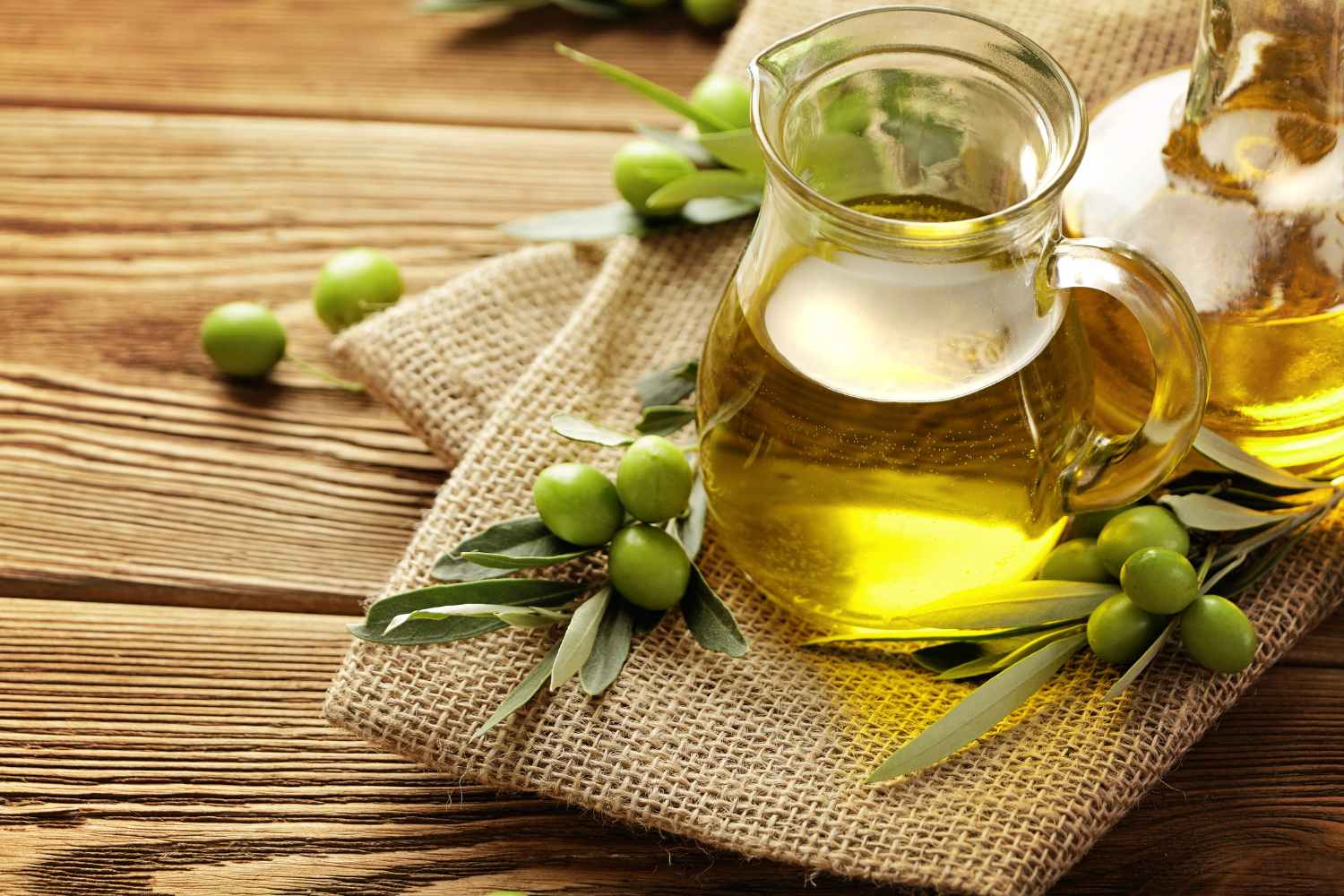
The extra virgin olive oil does not tolerate exposure to light, whether it is solar or intense artificial or artificial, the light accelerates oxidation and ruins the aromatic profile of the oil. At home, one of the most common mistakes is Keep the bottle near the window or on visible shelves. The ideal container is in dark glass, stainless steel or opaque tin. The transparent bottles are to be avoided, even if “showcase”, because they do not protect in the least.
Temperature under control, always
According to Assitol, the ideal interval for preserving EVO oil is between 14 and 18 degrees. Under 10 degrees it can crystallize, above 25 degrades faster. In the summer, when the 30 degrees are easily exceeded at home, it is essential to avoid keeping it close to the stove or inside furniture that heat up, as above the refrigerator. The summer heat is the worst enemy of the oil: a few hours are enough at too high temperatures to compromise it definitively.
No thermal changes
In addition to the fixed heat, the sudden changes of temperature also ruin the oil. Bring it continuously from a fresh a hot (or vice versa) environment accelerates the oxidation process. Do not keep it in the cold cellar if it is then used every day in the kitchen, near heat sources. The ideal is always keeping it at the same point, sheltered from overhang sources.
Air: the silent enemy
Once the bottle is opened, every contact with the air accelerates the degradation. Oxygen slowly changes the chemical structure of the oil, altering its flavor and perfume. For this reason it is important to always close the cap well and, if you buy in five liter milk, translate the content into smaller, well sealed bottles, to limit contact with the residual air. Never leave it with the corner support or “breathe” in the pantry.
Beware of strong smells
The oil has a great ability to absorb the smells present in the environment. If preserved near strong spices, fragrant detergents or fermented foods, it can acquire unwanted aromas. Avoid keeping it close to the dummyrs, sublavelli or shelves with chemicals. The ideal pantry is dry, clean, closed and without olfactory contaminations.
The right container makes the difference
Not all containers are fine. Transparent glass, light plastic (such as PET) or non -glass ceramics can compromise the quality of the oil. Plastic, in particular, can release harmful substances and does not protect from light or air. The best options remain dark glass, food stainless steel and tin. Even classic table ties, if not well closed or exposed, are a bad choice.
Eye to the summer heat
During the summer, the oil risks the worst. Excessive heat ruins it in a few days. Leaving it on a shelf exposed to the sun, near the oven on, or inside the car even for a few hours, means compromising it. In recent months you have to be particularly attentive: find a fresh place in the house, sheltered from the light and far from appliances that generate heat.
Consume it in the right times
Extra virgin olive oil does not have a deadline, but a minimum storage term (TMC) which usually ranges from 12 to 18 months from production. After that period it does not become dangerous, but gradually loses taste, perfume and benefits. If you really want to savor it at best, don’t let him get too much. Open a bottle only if you plan to consume it within a few months.
The oil should be treated like a living food
Storing the extra virgin olive oil correctly means protecting it from light, heat, air and smells. It is not just a question of taste: it goes about nutritional quality and health benefits. Simple precautions are enough to avoid waste and nasty surprises. In particular, during the summer, when the environmental conditions worsen, it is essential not to lower the guard. A badly treated oil is a wasted oil.
We also recommend you:
