
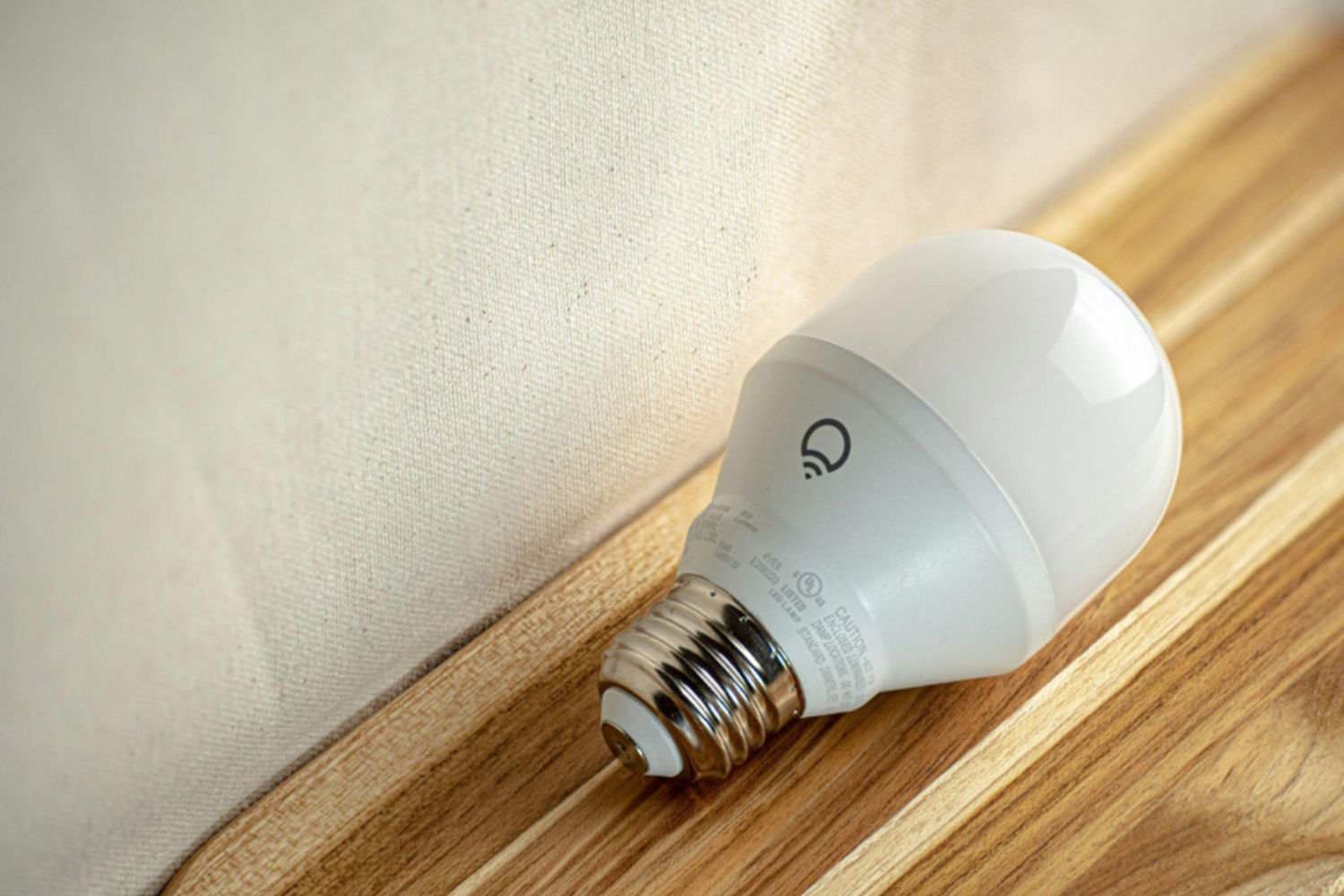
Smart technology or intelligent technology refers to interconnected devices, systems or electronic applications and able to work independently on the basis of the data that collect and analyze.
These technologies can collect and analyze the data, and then adapt to changing and constantly evolving conditions. This means that they can learn from the surrounding environment, adapt to changes and perform activities without constant human supervision.
For example, an intelligent thermostat at home can learn the daily routine and automatically adjust the temperature to ensure comfort and energy efficiency.
In this context there are also smart buildings or intelligent buildings: structures that use smart technology to optimize the use of resources, efficiency and comfort of the occupants. These structures are equipped with a variety of modern and innovative technologies, from artificial intelligence (IA) to augmented reality (RA) up to the internet of things (IoT).
Intelligent buildings are designed to monitor internal performance based on a variety of parameters, such as comfort, efficiency and productivity. To this end, they are equipped with digital sensors capable of collecting data and connecting to software to offer optimization opportunities.
For example, digital sensors can identify a meeting room or an area of an office that a company rarely uses, together with the days and times when it is more frequently employed. They can therefore adjust energy consumption to ensure that heating and lighting are automatically activated in this room when it is more likely to be in use.
Similarly, the lighting and temperature of a parking area can be adjusted according to use, helping to reduce energy consumption. From the safety point of view, these sensors can also identify factors such as gas losses, smoke and safety vulnerability.
How does intelligent technology contribute to reducing energy costs?
Intelligent technology offers a cutting -edge solution for energy management.
Here are some ways in which intelligent technology contributes to reducing energy costs:
Intelligent technology and its impact on renewable energies
Intelligent technology is revolutionizing the renewable energy sector, improving the efficiency and stability of energy systems.
Thanks to tools such as artificial intelligence, we can monitor and manage the production and consumption of energy in real time, ensuring fluid and waste -free operation.
This technology provides consumers with detailed information on their energy consumption, facilitating their control. Greater transparency creates trust and encourages a greater number of people to adopt solutions based on renewable energies. The development of intelligent technologies is playing a crucial role in our global transition towards sustainable energy, making it more accessible and reliable.
The combination of renewable energy and intelligent technologies is remodeling the way the energy is generated and used.
Progress in this sector help to promote energy efficiency, reliability and ease of use.
This integration helps to improve current systems and to guide innovation throughout the sector.
A non -negligible aspect is the greatest security: the design of intelligent buildings can use IOT technologies such as cameras and safety sensors and integrating with control and safety systems to detect potential intruders or threats.
A facility manager can be notified of any activity and, thanks to automation, be able to respond quickly and promptly.
For example, IP security cameras are supported by artificial intelligence and allow you to act quickly and feel safe and under control.
From the carbon emissions generated during the process of construction to the energy used once a property is operational, the built environment must face the entire life cycle of the building to achieve the objective of zero net emissions by 2050.
In addition to experimenting with new construction techniques and redeveloping obsolete properties rather than demolishing them, it is increasingly important to promote intelligent technology and significant advantages it promises, both for the sustainability and for the well -being of the people who live them every day.
Investing in smart technologies represents a strategic choice for companies that want to reduce energy costs and improve the sustainability of their activities.
The adoption of intelligent systems not only optimizes operational efficiency, but also contributes to creating safer, comfortable and aligned to decarbonisation objectives, promoting a more responsible and innovative future.
