
One has been written new page of ancient history: An Egyptian-Japanese archaeological mission discovered in Egypt 4 tombs of the Second and Third Dynasty and more than 10 burials of the XVIII Dynasty, revealing the northward extension of the cemetery, as well as mummified human remainsfragments of wooden coffins and pieces of ceramics.
The mission, conducted at the site near the queen’s funerary temple Hatshepsut at Deir El-Bahari to Luxorwas led by Zahi Hawass Foundation for Antiquities and Heritage and from Supreme Council of Antiquities and the findings found were considered by the experts revolutionary.
The findings indeed enrich our understanding of the 18th Dynasty of Egypt and the period Hyksosa term which refers to the populations who entered Egypt towards the end of the Middle Kingdom and who governed the north of the country and part of the south in the II Intermediate Period, between 1720 and 1530 BC (they are called hyksos the six pharaohs of the 15th dynasty, in the period between approximately 1650 and 1550 BC).
As he explains Ministry of Tourism and Antiquities Egyptian, the discoveries also provide valuable information on the transition from the Egyptian Middle Kingdom to the Golden Age of the 18th Dynasty, with a magnifying glass on the impact of the period Hyksos on the history of ancient Egypt, as well invaluable data on the burial practices, artistic achievements, and lasting significance of the Queen’s Temple Hatshepsut as a cultural and historical point of reference.
اكتشفت البعثة المصرية اليابانية 4 months من الأسرتين الثانية والثالثة وأكثر من 10 دفنات من الأسرة 18، مما يكشف امتداد الجبانة شمالاً. كما عُثر على بقايا آدمية محنطة وكسرات توابيت خشبية وقطع فخار. pic.twitter.com/6sRoV6CqAh
— Ministry of Tourism and Antiquities (@TourismandAntiq) January 7, 2025
Second Mohamed Ismail KhaledSecretary General of the Supreme Council of Antiquities (SCA), this is the first major archaeological discovery of 2025which occurred after more than three years of incessant work.
These stunning blocks retain their vivid colors and offer one glimpse of art of the period
explains Khaled
Zahi Hawasswho led the archaeological mission, also highlighted the discovery of a collection of arrowheadsprobably used in battles against the Hyksosand numerous coffins, all dating back to the 17th dynasty.
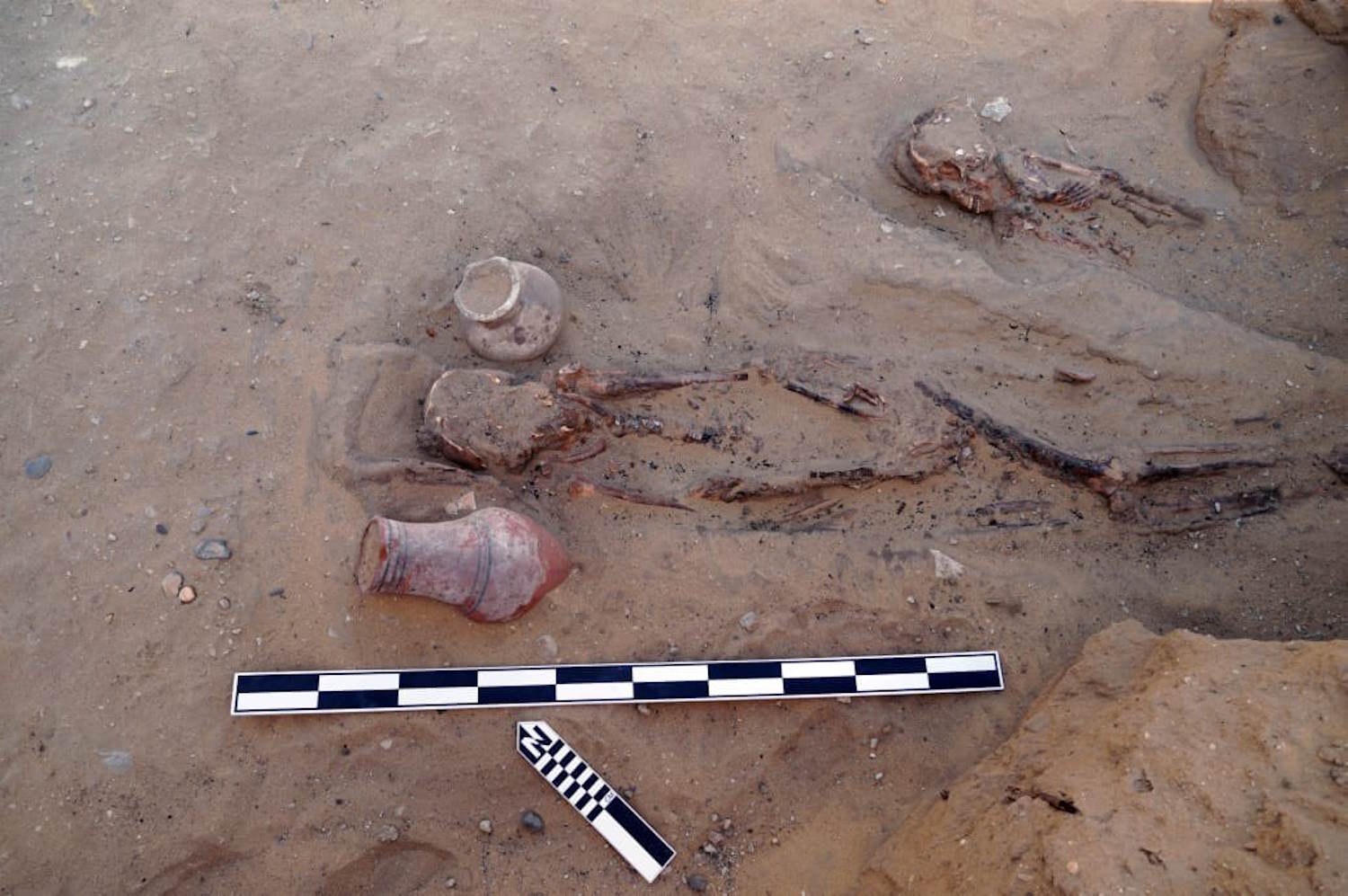
Despite the owner’s high status, the relative modesty of the tomb reflects the economic challenges that Egypt faced at the time due to the prolonged wars against the Hyksos
observes the expert
The researcher described the discovery as the first significant real discovery on the western bank of Luxor after the discovery of the tomb of Tutankhamun, marking a milestone in the study of ancient Egyptian history.
Among other findings, the fundamental remains of the Valley Temple of Queen Hatshepsutmore than 1,000 blocks and fragments finely decorated with rare bas-reliefs and inscriptions, over 100 limestone and quartzite tablets engraved with the queen’s cartouches Hatshepsut and a unique tablet that names Senmutits renowned architect.
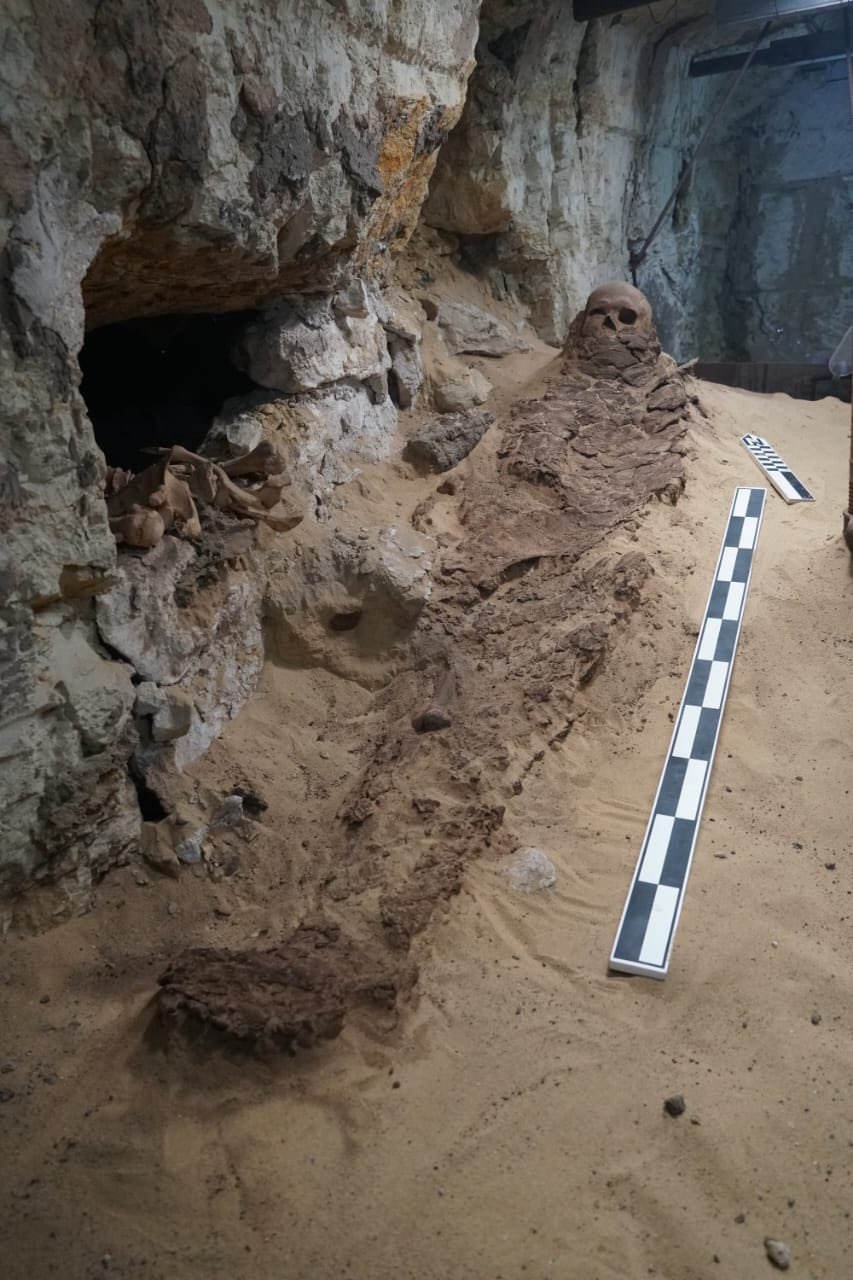
And it doesn’t end here, because the oldest necropolises buried under the temple of Hatshepsut. Which, although partly looted, still contain artefacts such as ceramics, offering tables and models of bread, wine and meat, which provided information on the burial practices of the time.
The last but not the leastthe mission found intact wooden coffinsincluding one containing the remains of a child tied with ropes, and nearby also a well-preserved mat and woven wooden bed dating from the transition between the 17th and 18th Dynasties, reflecting the life of the necropolis guards and their roles during Egypt’s liberation struggles against the Hyksos.
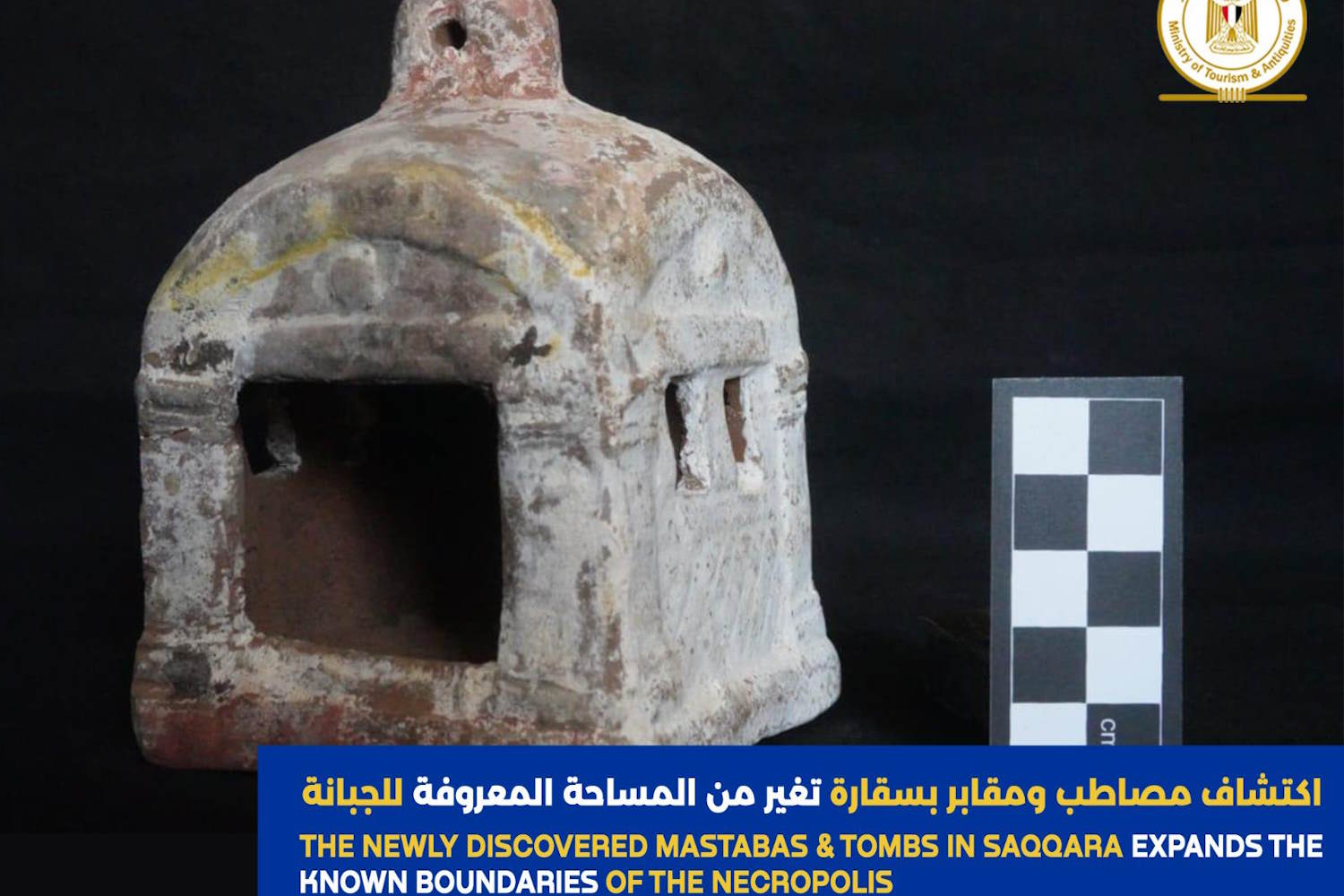
The artifacts will be displayed at Egyptian Museum of Tahrir.
Sources: Egyptian Ministry of Tourism and Antiquities / Egyptian Ministry of Tourism and Antiquities/X
