
HPV, or human papillomavirus, is one of the most widespread viruses in the world and is mainly transmitted sexually, through contact between skin and mucous membranes. Most people contract it at least once in their lives, often without knowing it. Just as few people know that a do-it-yourself test exists. But how effective is it?
There are approximately 100 known strains of HPV: at least 12 are classified as high oncogenic risk, because they are closely associated with the development of cervical cancer. The presence of the virus is a necessary condition for the development of cervical cancer, but it is not sufficient on its own: being positive for HPV does not mean having a tumor, nor does it mean you will certainly develop it.
This is why screening is essential.
What is the HPV test and what is it for
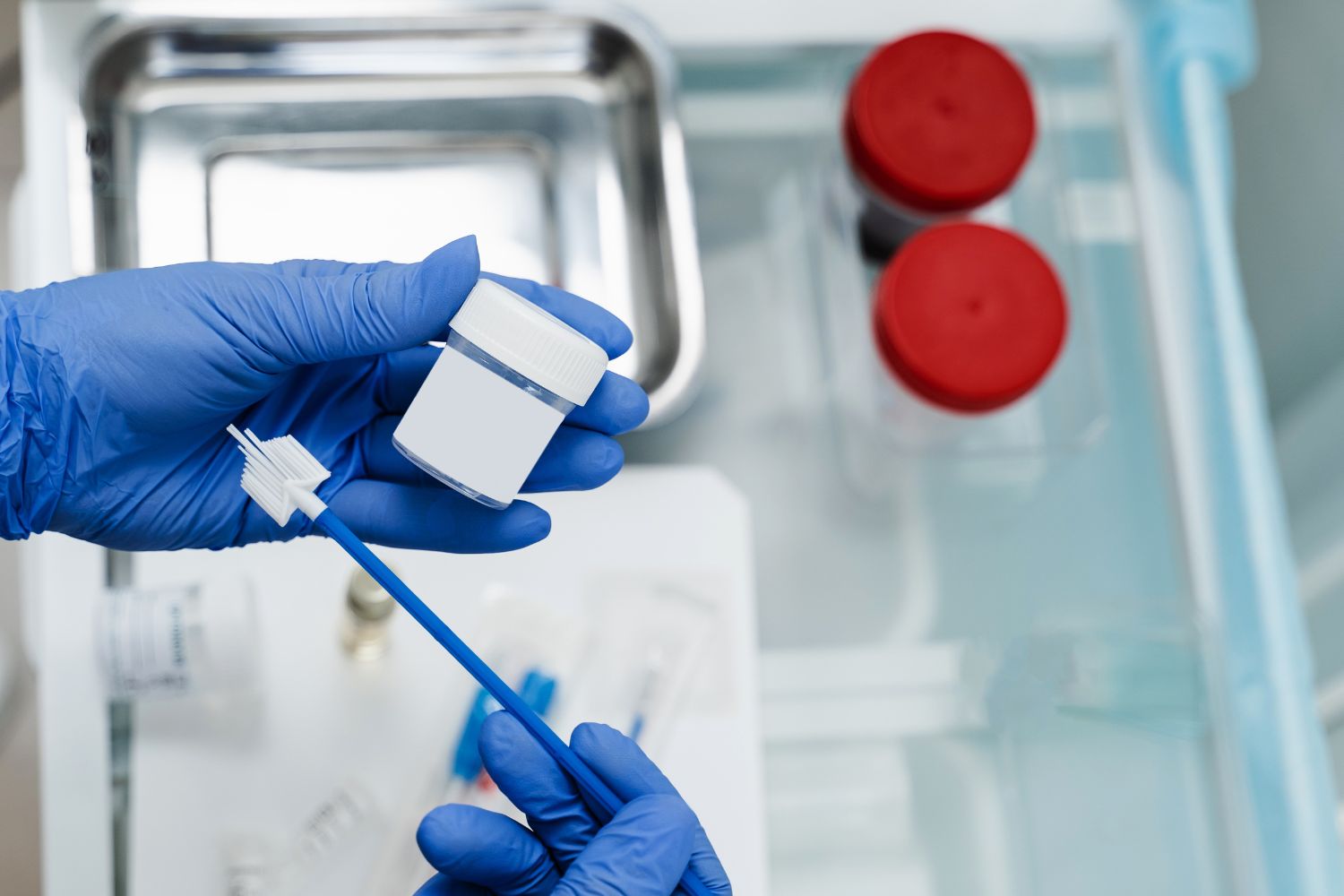
The HPV test (or DNA HPV test) is a molecular test that identifies the presence of the DNA of strains at high oncogenic risk in a sample of cells from the uterine cervix. The sampling is similar to that of the Pap test: during a normal gynecological examination the speculum is inserted to visualize the cervix, then some cells are collected with a small spatula or a dedicated stick. The sample is then analyzed in the laboratory.
The HPV test is today considered more sensitive and specific than the Pap test in cervical cancer screening: it allows women at risk to be identified earlier and, for this reason, it can be repeated at longer intervals.
How often should it be done (and from what age)
Current recommendations include:
Why not before? Under the age of 30, HPV infections are very frequent but, in most cases, they regress spontaneously and rarely develop into cancer. Taking the test too early risks generating unnecessary alarm.
Is the exam painful?
The HPV test lasts a few minutes (about 5) and is not painful. Some may experience slight discomfort during the collection. In rare cases, small blood losses may appear in the following days. It does not require assistance: you can go alone and return home driving normally.
No immediate or long-term risks are anticipated.
Is the DIY HPV test really effective?
In recent years, vaginal self-sampling kits have been spreading, designed to increase compliance with screening, especially among those who tend to postpone the gynecological visit.
The question is legitimate: do they work?
Scientific studies show that, when analyzed with validated molecular methods, self-collected samples can have good reliability in identifying high-risk strains. However:
In short, the do-it-yourself test can be a useful tool for intercepting those who do not participate in screening, but it is not a “green light” for self-management of health. The discussion with the doctor remains fundamental.
How to protect yourself from HPV
Prevention is based on several levels:
Cervical cancer is one of the few tumors for which there are effective primary (vaccine) and secondary (screening) prevention tools. Taking advantage of it means drastically reducing the risk.
