
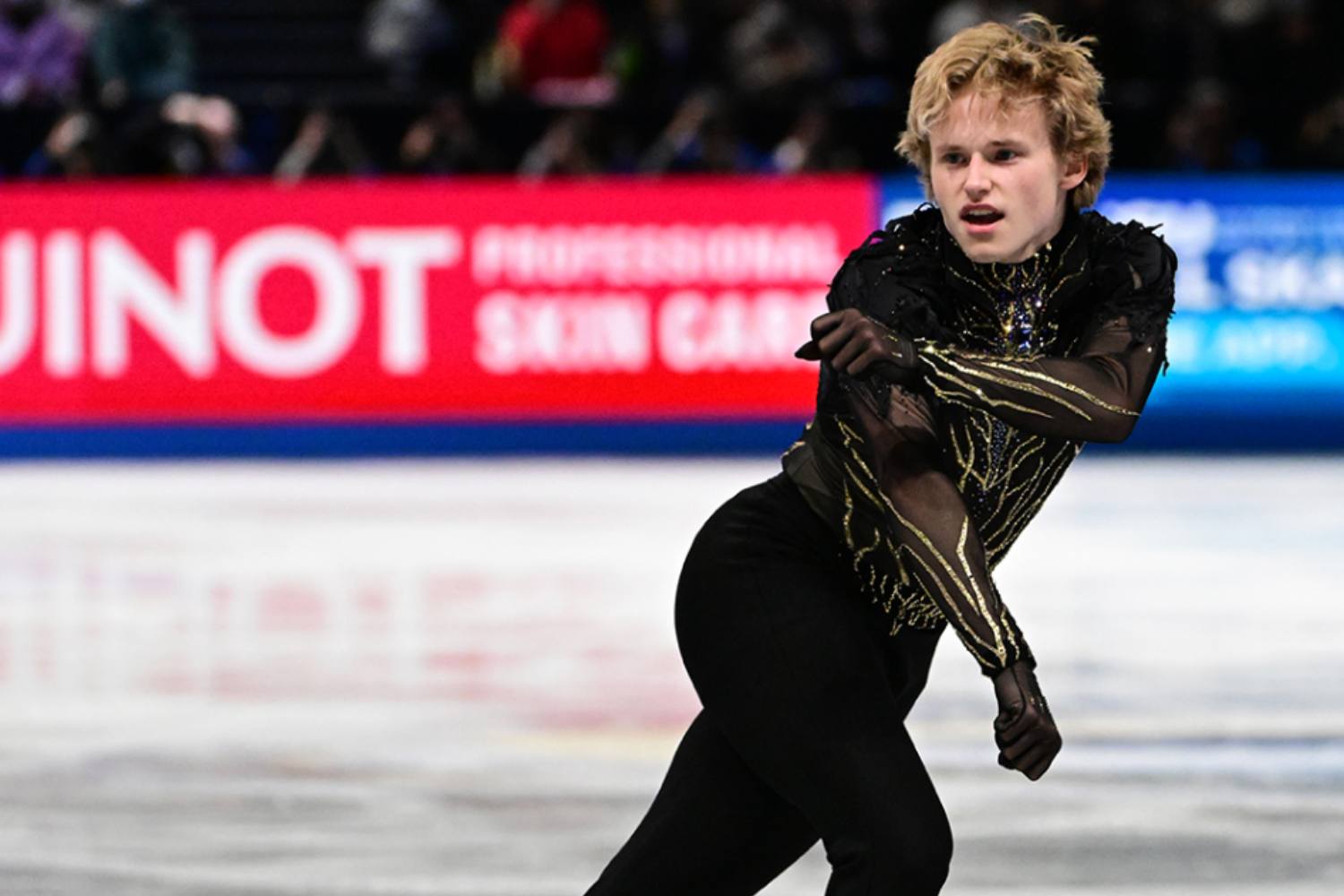
Ilia Malinin, defined by the media as the “God of quadruples”, had a dramatic experience at the Milan-Cortina 2026 Olympics. The young American skater, only 21 years old, started as the favorite for gold in the free program, but expectations were dashed by falls that marked a painful performance and, above all, an emotional collapse before the eyes of the world public. The eighth final position does not only reflect the sporting result, but tells a more complex story: that of the invisible pressure that weighs on young talents, often pushed beyond human limits.
View this post on Instagram
Removed messages and the cry of a crushed teenager
Some messages that Malinin had published on TikTok before the race and which he then deleted, but which clearly reveal his discomfort, went viral after what happened:
Sometimes I wish something bad would happen to me so I wouldn’t have to do it myself.
In another post, Malinin highlights the drama of those who don’t feel enough despite the great, great results achieved on the ice:
Nothing hurts more than trying to do your best and still not being enough.
And again:
When I get home, I walk into my room and my eyes start to water because no one knows how hard I’m really trying.
Phrases which, although they have been removed, paint the dark side of a ruthless competition, where pressure becomes a constant, invisible, but devastating companion for those who, like Ilia, are still 21 years old.
View this post on Instagram
The coach father’s desperation: images we don’t want to see
And through all this, who was by his side? Unfortunately not his family. The images following his disastrous performance speak for themselves: the father-coach Roman Skorniakov with his hands on his face, Ilia looking for his gaze, mortified and silent and seems to shout “Excuse meAt that moment he was just a son looking for a hug, a gesture of consolation, but his father never looked at him and didn’t even think about hugging and consoling him.
The Gold medal for worst father goes to Ilia Malinin’s dad. Ilia looks more hurt and afraid of letting his dad down than what just happened to him. How self absorbed is his dad? Even if he was only his coach his reaction would have been devastating to endure pic.twitter.com/qrQdSnQOqQ
— Lily Marin (@LilyMarin8) February 15, 2026
The parents, both former skaters with his mother Tatiana Malinina having a past as a professional athlete, have built around the young man an environment of very high expectations in which talent is always under scrutiny. The presence of parent-coaches can turn into an extraordinary support or an emotional burden, especially when every mistake is experienced as a personal failure.
The history of sport is full of these complex relationships: Simone Biles in Tokyo, tormented by stress-induced dizziness, Serena Williams succumbing to Robertina Vinci’s backhand at the 2015 US Open, or the university hockey players in Lake Placid ’80. All examples that show how media and family pressure can transform extraordinary talent into an emotionally oppressive experience.
The reaction of the fans and the psychological support
After several hours of silence, Malinin himself spoke through his Instagram stories, bringing out all the weight he carried inside:
On the world’s biggest stage, those who seem the strongest may still be fighting invisible battles within themselves. Even the happiest memories can end up tarnished by noise. Vile online hatred attacks the mind and fear drags it into darkness, no matter how hard one tries to stay sane despite the endless and insurmountable pressure. It all builds up as these moments pass before your eyes, resulting in an inevitable breakdown.
The sporting community and fans reacted with affection and solidarity: messages of encouragement arrived from all over the world, reminding Ilia that a result never defines the greatness of an athlete. The manager confirms that the young man is receiving psychological support, a fundamental element to metabolise such traumatic experiences and continue to grow as a person and an athlete.
View this post on Instagram
How heavy is Olympic pressure?
Malinin’s case raises a broader question: how much does the world of the Olympics really weigh on the shoulders of kids under 25? The obsession with the result, the fear of disappointing, the constant comparison with one’s own limits and those of others can become overwhelming. It is essential to remember that behind the numbers and medals there are teenagers and young people, with emotions, fragilities and dreams that risk becoming nightmares. Excessive pressure can transform extraordinary talent into a traumatic experience and psychological support must be an integral part of every competitive journey.
The future beyond Milan-Cortina
Despite the disappointment, Ilia Malinin is already back on the ice and will participate in the World Championships in Prague on March 25, with the hope of regaining safety and confidence in jumping. But his journey is a warning: behind every athlete there is a human being, with limits, emotions and the need for care, regardless of the Olympic stage. Sport is also a mirror of resilience, fragility and courage. And Ilia, with her young age and immense talent, remains a star even in falls.
You might also be interested in:
