
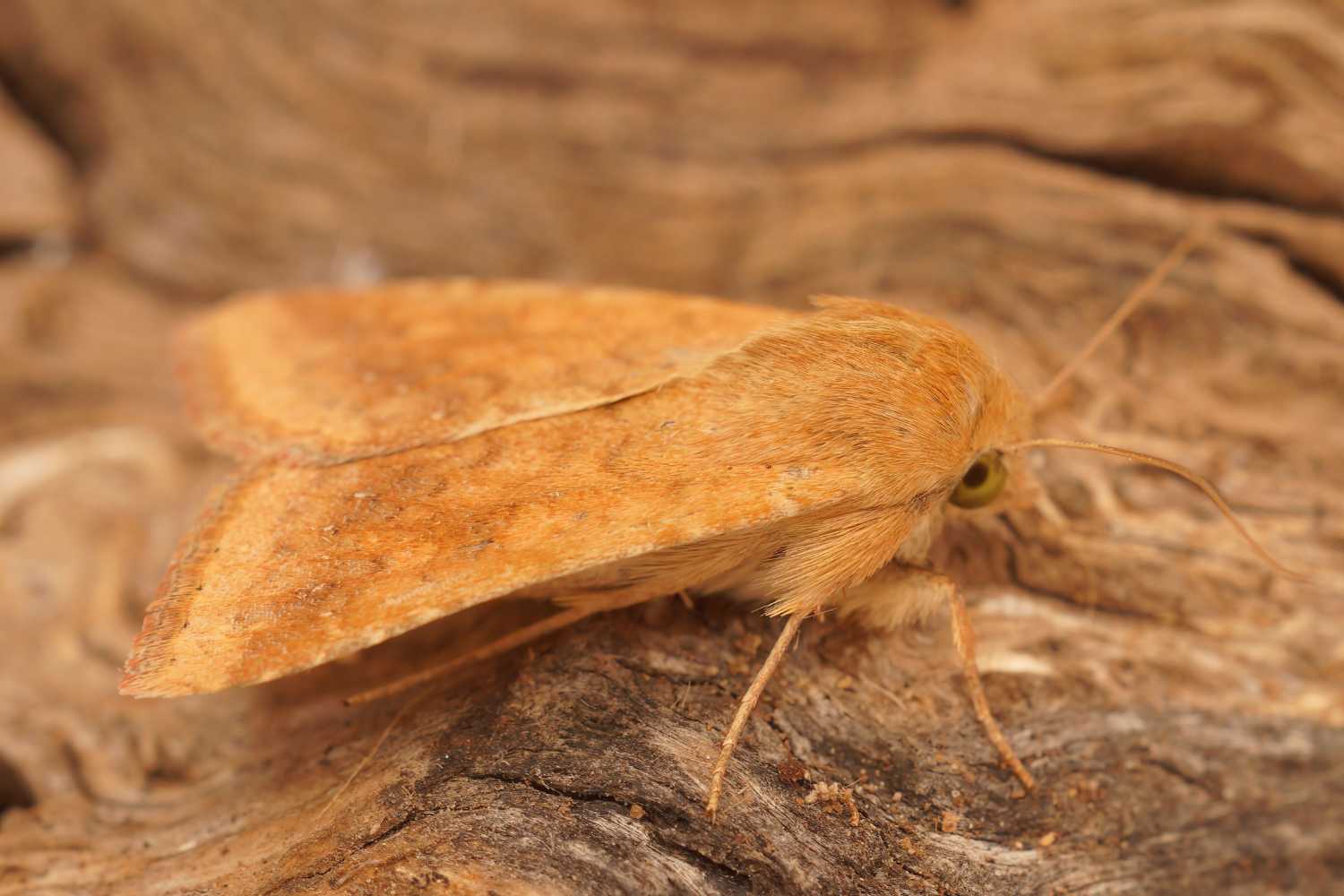
There is a silent, subtle enemy, which is activated at the sun, when the garden is quiet. Invisible during the day, he acts in the middle of the night, leaving behind his gnawed leaves, tenth seedlings and mutilated vegetables. It is called Note, and it is one of the most subtle and difficult to manage insects for those who cultivate a vegetable garden, both at a domestic level and on a wider scale.
At first glance, it looks like a rather anonymous butterfly, with wings with earthy tones and a twilight flight, even if the real problem is not the adult, but the larva, the caterpillar, which once out of the egg, voraciously dedicates to destroy everything that finds within the reach of jaw.
Who are the Nottue? A useful identikit
The night belong to the family of Noctuidaea vast group of lepidoptera that includes thousands of species. Some of them have adapted particularly well to the vegetable gardens, and among the most feared we find the noted of tomato (Helicoverpa Armigera, that we can observe on the cover), the small night (Exigua Spodoptera), the notual of the sowers (Agrotis Ipsilon) and the notual of the cauliflower (Mamster brassicae).
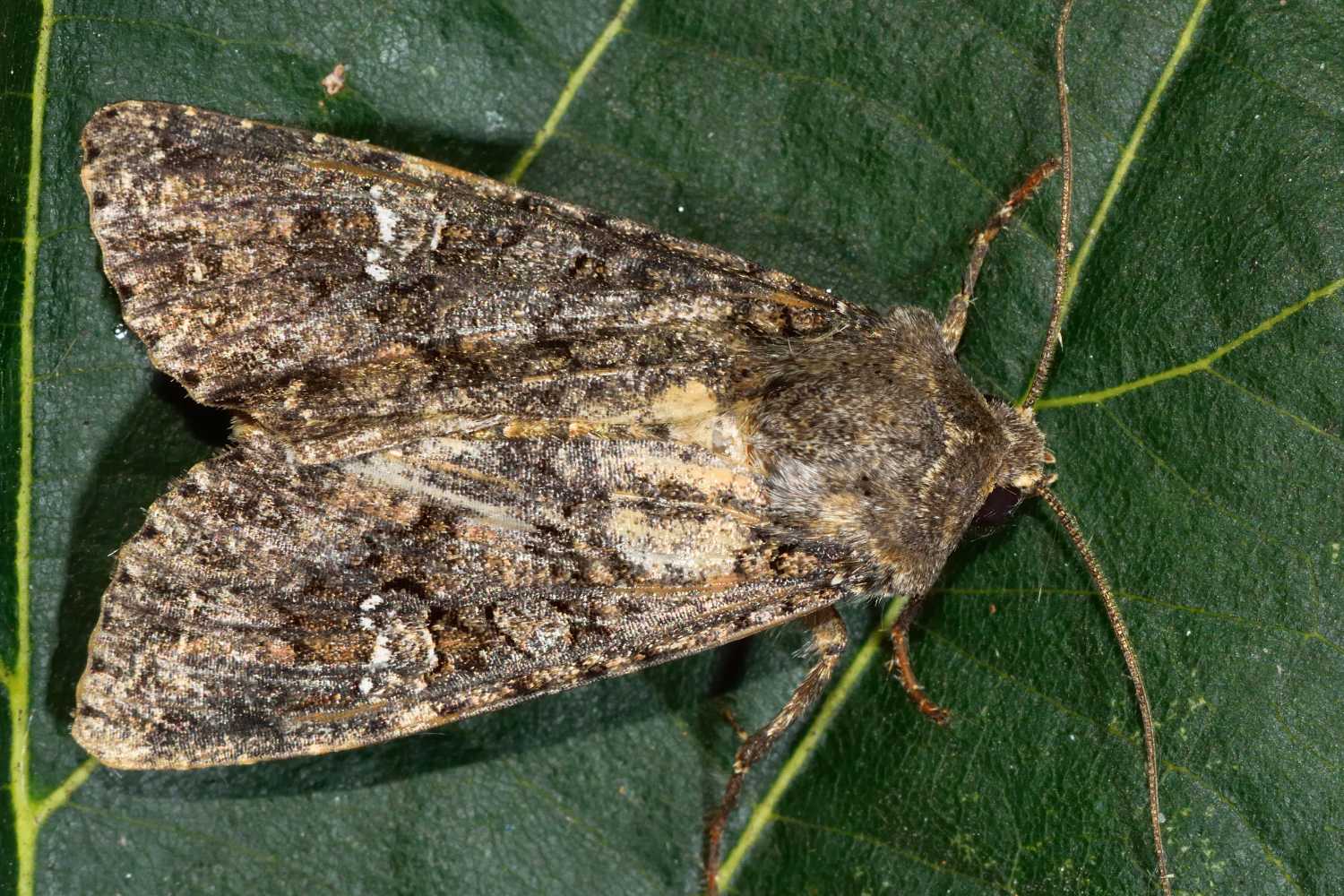
The life cycle is similar in all species: adult females lay the eggs on the leaves of the cultivated plants, from which the larvae – the caterpillars are born – which in a few days begin to feed on vegetable fabrics, piercing leaves, digging into the fruits, transcrating drums at the base. When they reached a certain dimension, they are intermediating to relent, and after a while they emerge like butterflies, ready to repeat the cycle.
In favorable conditions – mild climate, the absence of predators, little monitored vegetable gardens – up to five generations can follow each other in just one year, aspect that makes their presence difficult to contain if you do not act promptly.
The damage: how to recognize them and distinguish them
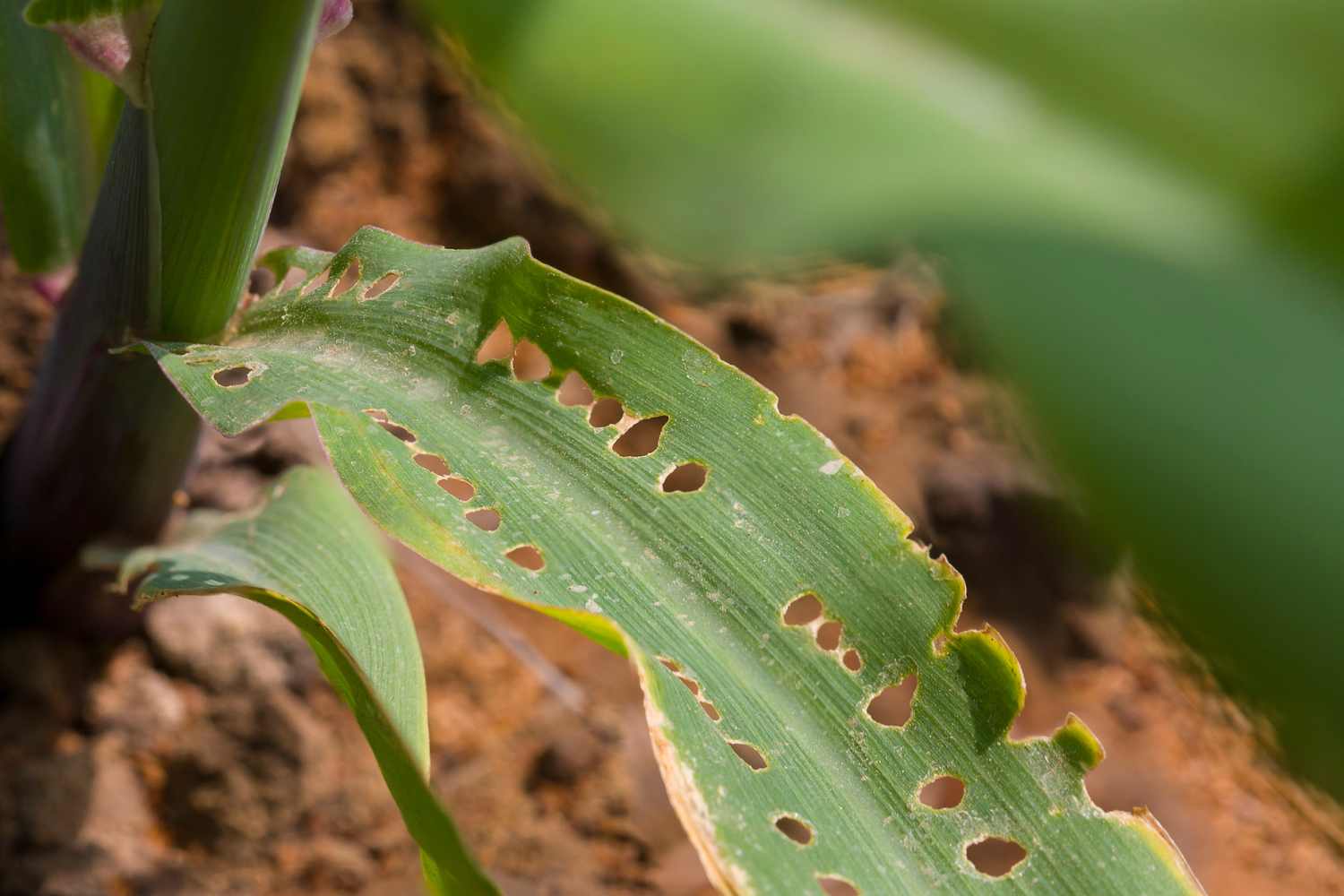
Nottues are not satisfied with a single type of plant. They affect the leaf vegetables with equal ferocity, such as lettuces and beets, but also solanaceae (tomatoes, peppers, aubergines), cucurbitaceae, cabbage, beans and aromatic plants.
The signs of their presence are unequivocal:
Defend the vegetable garden: Prevention and natural remedies
Fighting the Nottue is not simple, but not even impossible. A careful observation and an integrated approach that unites prevention, biological defense and, only in extreme cases, more decisive interventions are needed.
Work the ground in winter
Many larvae winn in the ground in the form of chrysalis. Revorcing the earth in January-February, with a deep boast, can expose them to the cold and natural predators such as birds and curls.
Rotation of crops
Always growing the same plants in the same plot facilitates the proliferation of the Nottue. Alternating species and varying botanical families helps to break their life cycle.
Pheromoni traps and manual collection
The traps attract adult butterflies, reducing the possibility of reproducing. The larvae, if intercepted in time, can be removed manually. It is a painstaking, but effective job.
Promote biodiversity
A living vegetable garden is a healthy vegetable garden. Introducing melliphere plants, leaving uncultivated areas, installing houses for useful insects or refuge for insectivorous birds is a natural way to attract natural antagonists of the Notuue: vesps parasitoids, bats, toads, carabidi choleotteri.
Biological treatments
In the most serious cases, it can be intervened with products based on Bacillus Thuringiensis (BT), a bacterium that paralyzes the digestive tract of the larvae without damaging other insects. It is authorized in organic agriculture and is selective.
Macerati and repellents infusions
The use of nettle macerato, an infusion of garlic or decoting of Tanaceto can help make plants less attractive. These are remedies that require good regularity, but that can reduce the pressure of attacks.
Don’t you want to lose our news?
