
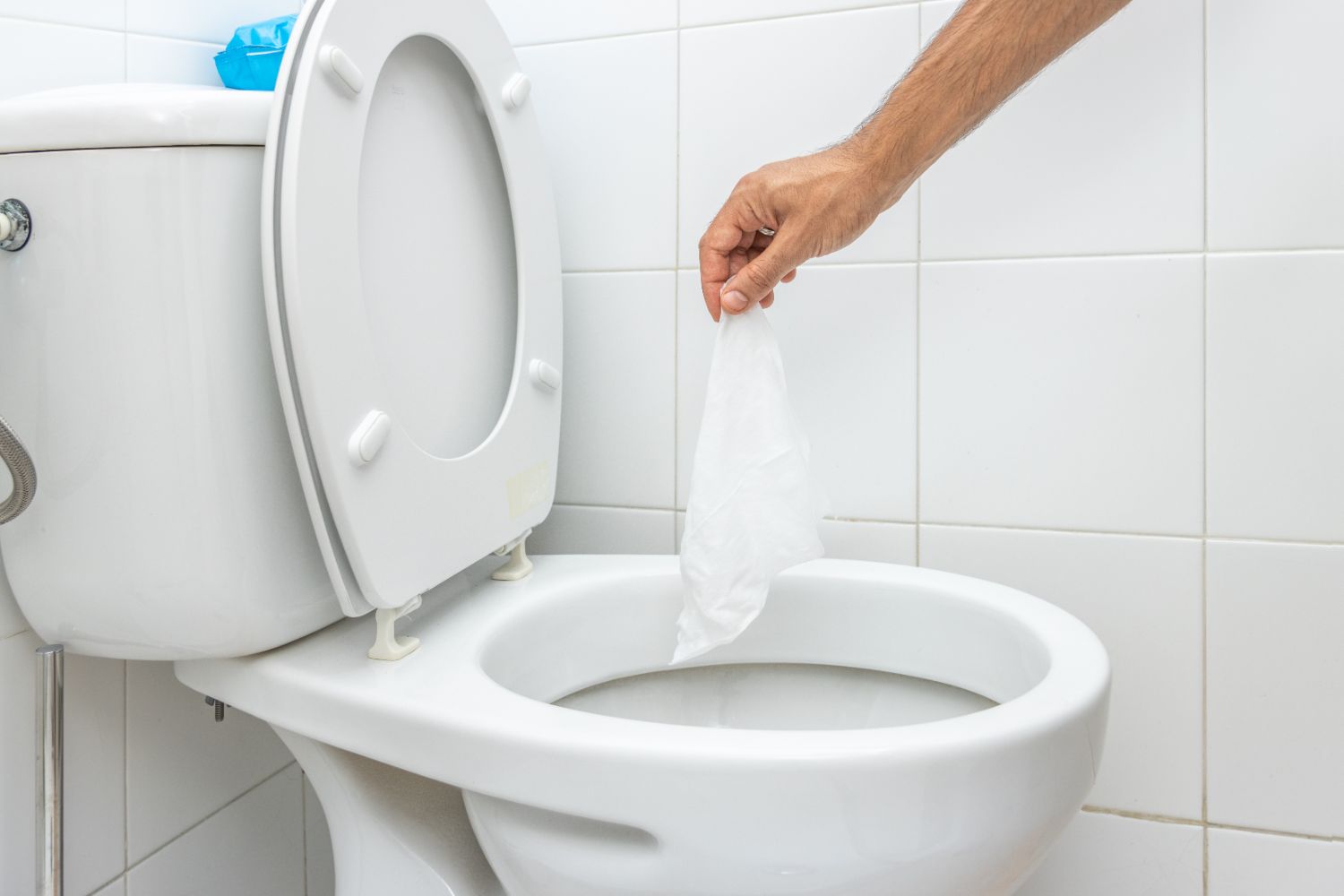
After the straws, the cotton swabs and the cutlery, now also the Wet wipes he is balloons. The Ministry for the Spanish ecological transition aims to reduce marine waste and says stop the unloading of wet wipes in toilets and al “Intentional release” of balloons in the environment
This is what emerges from the draft of a royal decree that the government will approve this measure in accordance with a 2019 European directive, relating to the reduction of the impact of some plastic products on the environment (according to what is read in the directive, wet wipes and balloons They are respectively the fifth and ninth disposable plastic article that are more on the European beaches).
The Spanish government, now, goes beyond the 2019/904 directive of the European Parliament and the Council of 5 June 2019, which is limited to wipes made with synthetic materials – which are most used – and also extends the rule to wipes made with natural fabrics, intended for personal hygiene and domestic uses. Wet wipes intended for industrial and professional use, however, such as medical or hygienic wipes, are not included.
The draft insists on the serious damage caused by the wipes which, in addition to their “negative environmental impact“,” “significantly affect the functioning of sanitizing networks e purification“, Because they do not disintegrate completely. By throwing them in the toilet you end up clogging the sewers or remaining entangled in the fishing networks, creating giant skeins that “tothey human the risk of overflows, especially during episodes of strong rains“.
In addition, the draft underlines that although some wipes are marketed as biodegradable, “This does not mean that they can be disposed of through the cabinet“, Since their degradation in the environment is limited and this extends their polluting impact and can create confusion.
Obligations for manufacturers
For this reason, the Spanish government means obliged manufacturers of humidified wipes and balloons to take on The costs of reclamation of the discharge of missing waste generated by these products in sewage and hygienic-sanitary infrastructures and water purification. It also proposes that the producers they cover the costs of their subsequent transport and processing, as well as those of the collection of data, regular or punctual due to sporadic discharges or waste dispersed in the environment, and those of the awareness measures.
As for the ballsthe draft of Royal Decree underlines that “Their environmental impact is considerable” Why they are frequently found among marine debris and occupy important positions in the ranking of pollution on the EU beaches, which causes “serious damage” at the marine fauna (The draft also and above all and above all to the thousands of balloons that are used and left in the air in private celebrations).
The project of the Royal Decree Law leaves the autonomous communities, in collaboration with local authorities, the task of establishing monitoring programs to evaluate the application of these new measures.
