
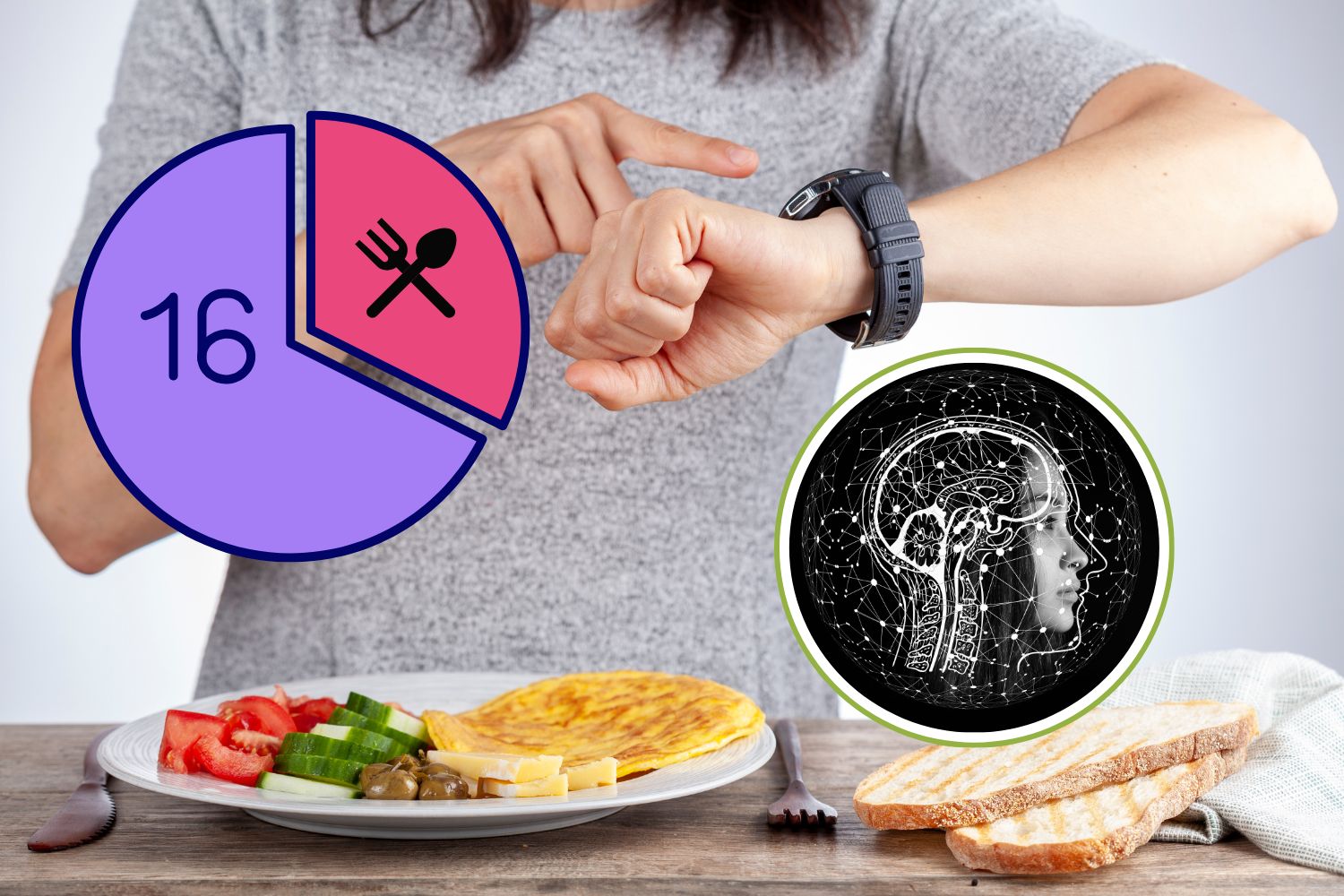
The intermittent fasting It is not only an increasingly widespread food practice, but also a possible key for promote mental well -being in a natural waythrough the modulation of the neurochemical systems of the brain. To suggest it is a study just published in the scientific magazine Neurobiology of Diseasewhich light on the direct link between fasting, dopamine And emotional health.
Known for its effects on metabolism and longevity, intermittent fasting – or the cyclical alternation of periods in which you eat and fast – is also confirmed as ally potential for those who live situations of chronic stress or depressive symptoms. And this time, the dopamine receptors speak, key substance in the regulation of mood and motivation.
Intermittent fasting acts directly on the brain
Those suffering from depression know how difficult it is to find relief. Pharmacological treatments often require weeks before showing tangible effects, and there are cases in which i main antidepressants cause unwanted side effects. For this reason, scientific research is exploring with growing interest alternative approaches, less invasive and more sustainablealso on the environmental and personal level.
The new study showed how intermittent fasting can lead to concrete improvements in moodfavoring behaviors related to pleasure and motivation, two aspects often compromised in depressive disorders. According to the researchers, the effect is due to the activation of a very specific brain circuit, which involves i dopaminergic receptors d1 in the medial prefrontal cortexa crucial area for emotional regulation.
During prolonged fasting, the brain seems to respond with one greater neuronal activation precisely in this area, enhancing a molecular system known as DRD1-CAMP-PKA-DARPP-32-CREB-BDNF. This biochemical path is closely linked to the dopamine functionneurotransmitter responsible for motivation, pleasure and adaptation to stress.
How fasting activates the circuits of emotional well -being
The key discovery of the study lies in having identified one direct relationship between the activation of dopaminergic receptors and the positive effects of intermittent fasting on mood. When the activity of these receptors has been inhibited, the benefits of fasting have disappeared, demonstrating the fact that the mechanism specifically involves this neurochemical way.
On the contrary, the controlled stimulation of these receptors has produced effects similar to those observed with fasting: Best Stress Management, Increase in motivation and one greater opening to gratifying experiencesunequivocal signs of more stable psychological well -being.
The activation of this circuit could explain why those who adopt alternate fasting practices He often reports greater mental lucidity, serenity and ability to face the unexpected daily with more balance. These are concrete effects, rooted in a precise physiological response, which starts from the brain and is reflected in behavior.
The work published by Jingjing Piao and colleagues (“Intermittent Fasting Produces Antidepressant-like Effects by Modulating Dopamine D1 RecepTors in the Medial Prefrontal Cortex”) represents an important step towards understanding how Food and mental health are deeply interconnected.
Although it is still a scientific observation that requires clinical confirmations, the study offers a solid base to consider intermittent fasting not only as a food choicebut also as Natural tool to improve the quality of emotional life. In an era in which mental health is increasingly at the center of the public debate, and in which requests for non -pharmacological solutions grow, the rediscovery of millenary practices such as fasting acquires a new meaning, deeply current and potentially revolutionary.
