
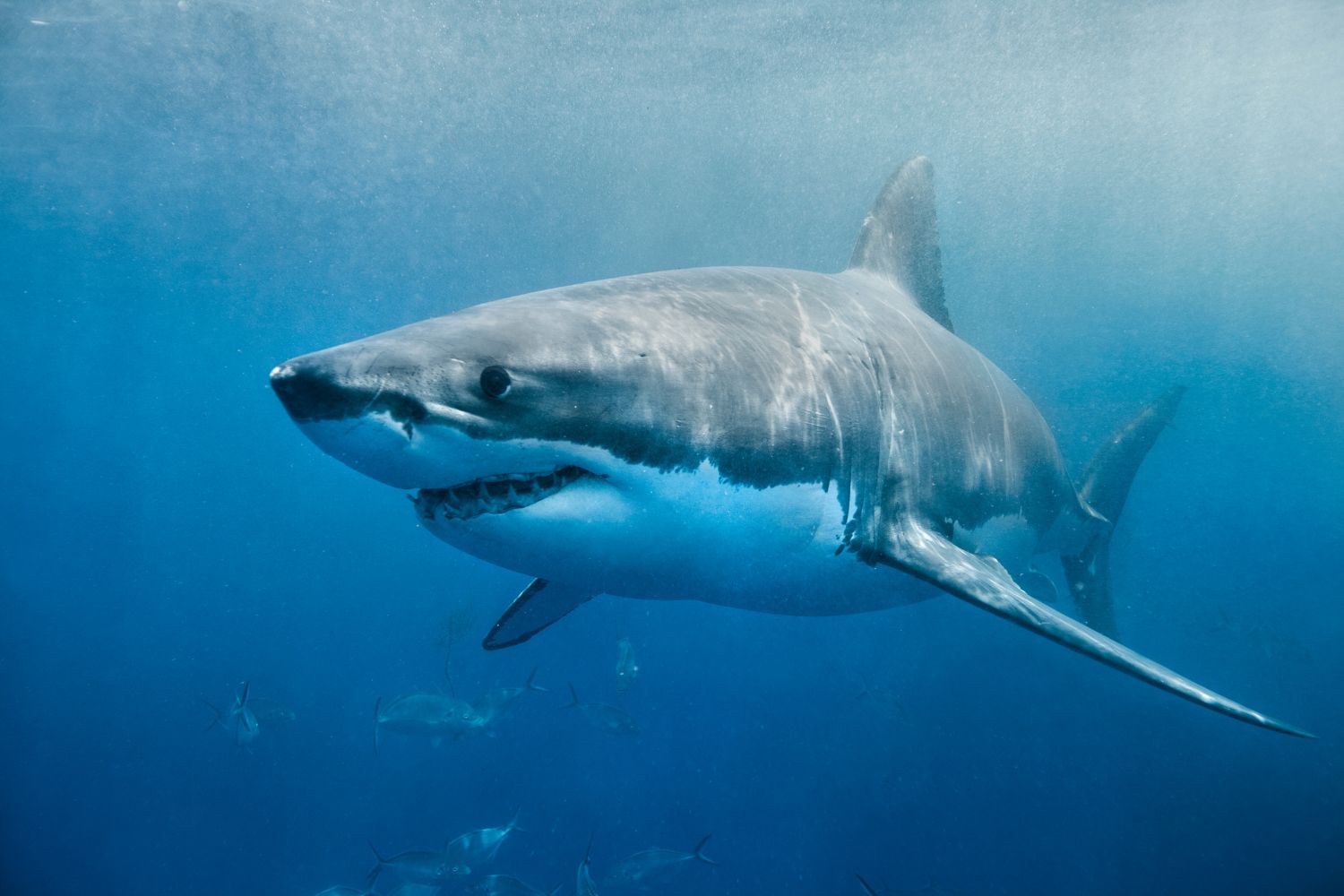
Strengthening protected areas, stricter fishing bans and greater awareness among local communities: at the 20th Conference of the Parties (CoP20) of CITES, which concluded in Samarkand, Uzbekistan, on 5 December, the signatory countries voted in favor of stricter regulation of the trade of various species, from whale sharks to rays.
A series of strengthened protection measures have therefore been adopted for some of the most threatened marine species. A historic moment for global marine conservation, marking a significant commitment in the fight against the overexploitation of sharks and rays.
What was decided
Among the most notable decisions is the inclusion of numerous key species, including the whale shark, oceanic whitetip sharks, all manta rays and sea devils, in Appendix I of CITES (the Washington Convention on International Trade in Endangered Species of Wild Fauna and Flora).
This level of protection implies a total ban on international trade for commercial purposes, a decisive step in combating the decline of these species.
Protection doesn’t stop at sharks and rays. Other vulnerable species, such as sawfish and guitarfish, have been placed on Appendix II, with a “zero quota” that completely suspends exports of wild specimens. This measure aims to stop the trade in fins, gills and meat, which has fueled the decline of these populations.
The new regulations come in response to the drastic reduction in pelagic shark populations, which have seen a decline of more than 70% over the past fifty years due to intensive fishing. Inclusion in Appendix I will allow international trade only in exceptional circumstances, while Appendix II will regulate trade to avoid exploitation incompatible with the survival of the species.
CITES, which has 185 member countries, continues to play a crucial role in protecting over 40,000 species worldwide by ensuring trade is legal and sustainable. The choice of Samarkand as the venue for CoP20, a city symbolizing exchange between cultures, underlined the link between nature and humanity, making this step towards the protection of marine species even more significant.
With the adoption of these new measures, there is finally hope for recovery for some of the most vulnerable species on our planet.
