
Twelve point eight million tons of liquefied natural gas per year out of production, for a period of up to five years. These are the numbers with which Qatar has made clear the consequences of the Iranian raids on its energy plants, numbers that also closely concern Italy.
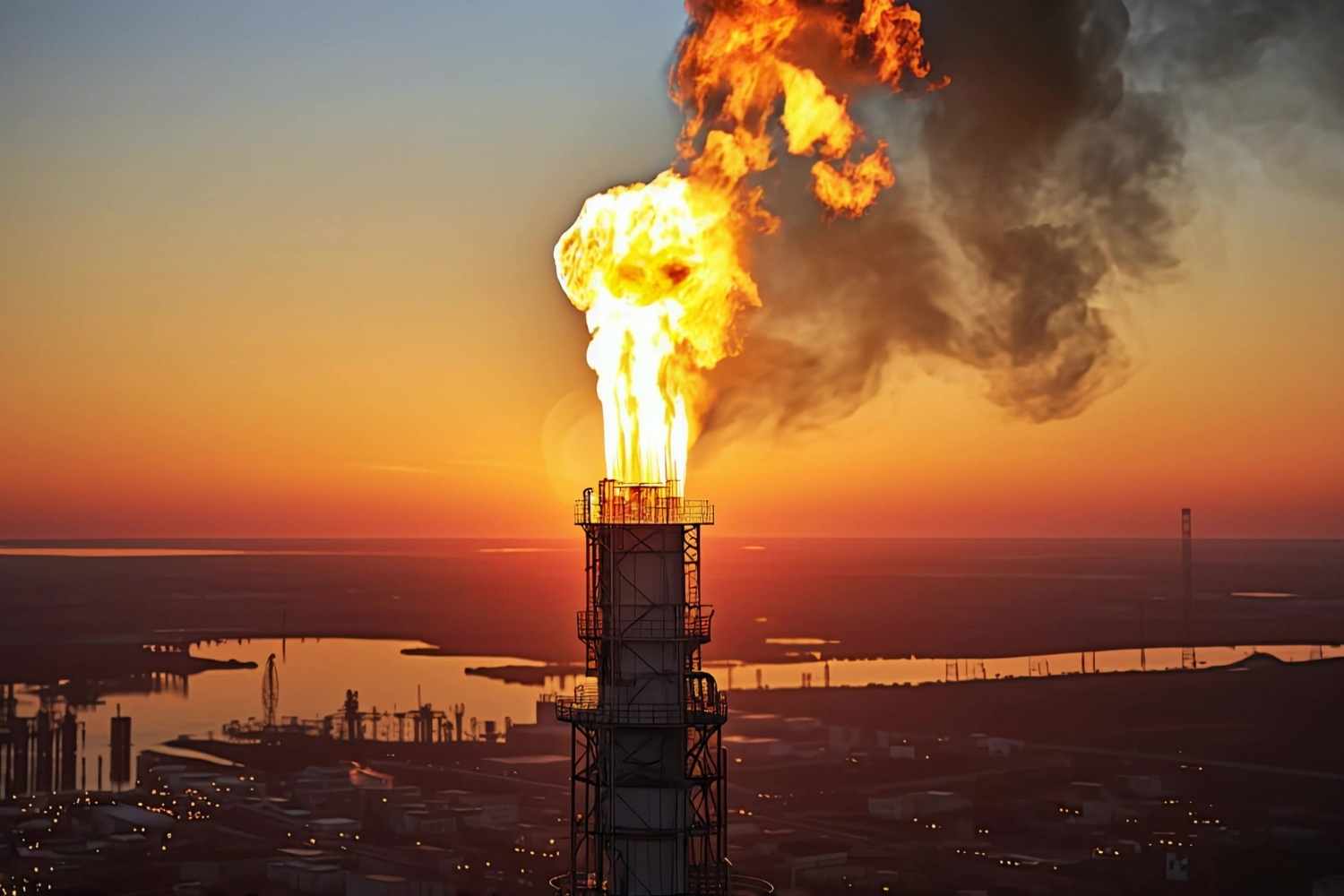
On March 19th QatarEnergy published an official statement – which reiterates what was already stated on March 4th – in which it confirms that “in the early hours of March 19th 2026 several liquefied natural gas plants were subjected to missile attacks, causing large fires and further extensive damage”. This is the second attack in two days by Iran, given that the Pearl GTL plant in Ras Laffan had already been hit on March 18.
On the same day, in an exclusive interview with Reuters, CEO Saad al-Kaabi added details that directly concern Rome: the company may have to declare force majeure on long-term contracts for LNG supplies destined for Italy, Belgium, South Korea and China, for a duration of up to five years.
The plants affected and the links with Italy
Two of Qatar’s fourteen liquefaction trains and one of two gas-to-liquids conversion plants were severely damaged. ExxonMobil is a partner in both: it holds 34% of the S4 train and 30% of the S6 train. The S4 train directly supplies Edison, the main Italian buyer of Qatari LNG, as well as EDF for Belgium.
The cost of building the plants amounts to approximately $26 billion, with annual revenue losses estimated at $20 billion. The fallout goes beyond gas, as condensate shipments could drop by 24%, LPG by 13%, helium by 14%, naphtha and sulfur by 6% each.
Because Italy is exposed
Qatar is Italy’s second largest supplier of liquefied natural gas after the United States, and LNG covers just over 30% of the country’s total gas imports. The March supplies were already on board the gas tankers before the escalation, but the prospects from April remain uncertain, also due to Iran’s blockade of the Strait of Hormuz, through which about a fifth of global LNG supplies transit.
On the possibility of resuming production, al-Kaabi was clear, placing the end of hostilities as a necessary condition, a condition which, at present, does not appear to be at all imminent. The first declaration of force majeure on the entire production dates back to 4 March 2026, as already highlighted previously, the one announced on 19 March is different in nature, because it is no longer fixed-term, but for an indefinite duration – “for any period”, as the CEO specified.
The context of the attacks
The Iranian attacks came in response to an Israeli raid on the South Pars field, Iran’s main source of natural gas, which covers 80% of the country’s domestic needs. Al-Kaabi did not hide his dismay, declaring that he had never imagined that Qatar could suffer such an attack by a Muslim country, especially during the month of Ramadan. Then he added, in a more political tone, that energy facilities of this scale “should not be attacked” by anyone — be it Israel, the United States or anyone else.
