
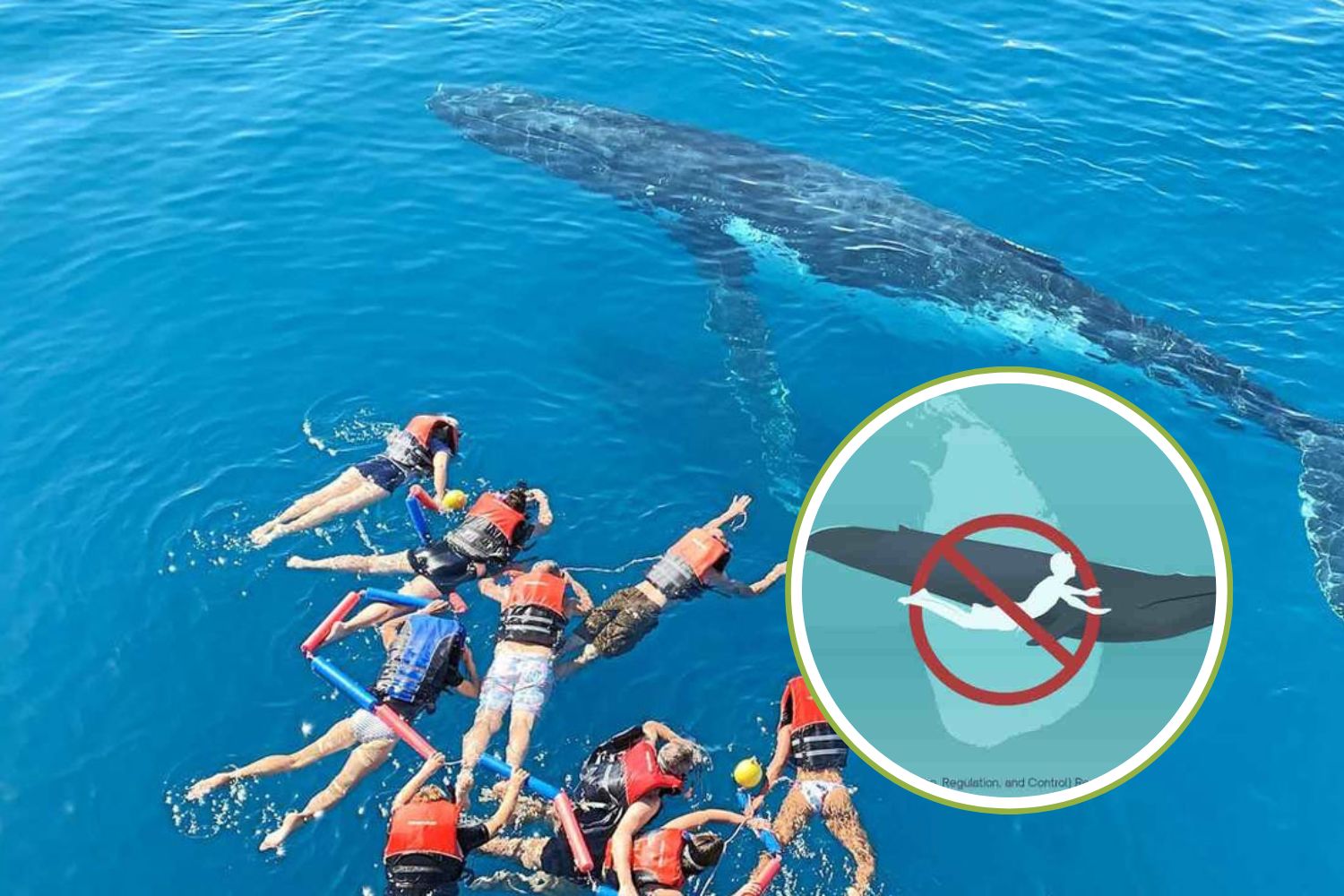
The waters of the Sri Lankafamous for their extraordinary marine biodiversity, host some of the species of whale More iconic in the world, including the majestic blue whale. All this has led to a growing popularity of tourism linked to the observation of whales, however ignoring a fundamental aspect: Swimming with these mammals has been illegal since 2012.
This ban was born for protect Both whales and visitors. The close interactions with these animals can in fact cause them huge levels of stressinterrupting vital behaviors such as breathing, nutrition and reproduction.
The blue whales, for example, have shown to immerse yourself quickly To escape unwanted contacts, while Bydes’ Balenight mothers they swim quickly Together with the little ones, compromising the well -being of puppies. In addition, some species such as the sperm whales have highlighted Signs of physiological stresslike induced defecation, during these interactions.
From a human point of view, the situation is no less critical. The imposing dimensions of the whales, combined with their unpredictable movements, represent a danger for swimmerseven if these animals are not naturally aggressive.
More and more unauthorized operators
Unfortunately, despite the laws, The phenomenon of illegal tourism “swim with whales” continues to proliferate in the locality Like Mirissa and Trincomalee. A recent study has documented a significant increase of unauthorized operatorsmany of which are foreign ownership, which elude taxes and regulations, subtracting precious resources from local conservation initiatives.
The protection of these animals requires a joint effort. Organizations like Oceanswell are working for raise public awareness and improve the application of regulations. Visitors can do their part by choosing ethical tourism operators who respect the rules and promoting sustainable alternatives Like snorkeling in coral reefs or kayak among the mangroves.
And then remember that observing the whales, albeit from one respectful distanceHowever, it remains an unforgettable experience. With the help of responsible operators, it is possible to admire these giants of the sea in their natural habitat, without causing them damage. Protecting whales means preserving a unique treasure for future generations and supporting Sri Lanka as a destination of ethical and sustainable tourism.
View this post on Instagram
