
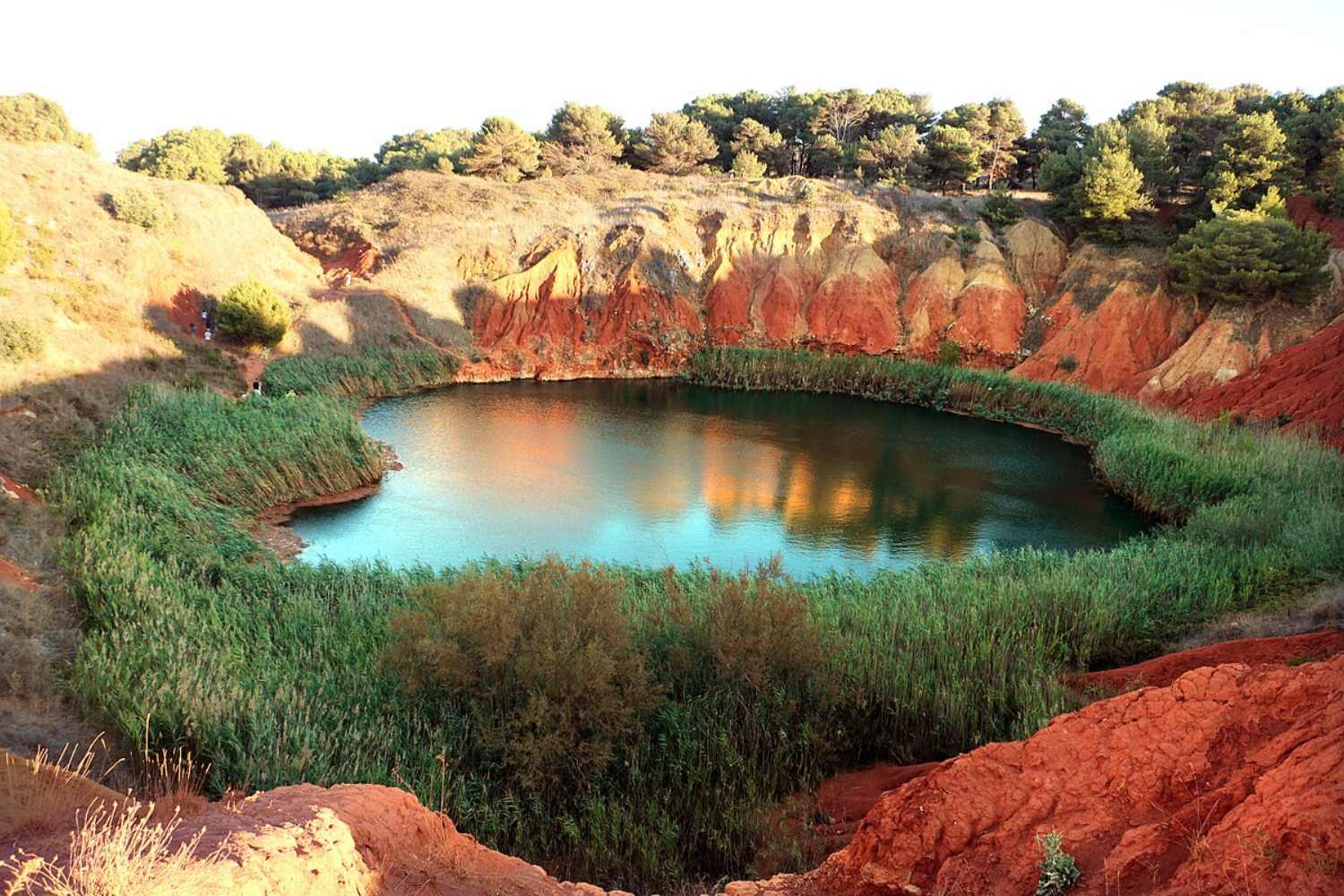
Three kilometers from Otranto, in the heart of Salento, there is a place that seems to belong to another planet. The earth is red as the surface of Mars, the silence is absolute and a small emerald green lake shines in the center of a basin carved by man. This is the quarry of Bauxite of Otranto, an abandoned mining site that nature has transformed into an extraordinary show.
A story written in the rock
The discovery of the Bauxite deposit in the area dates back to 1940. Bauxite is a sedimentary rock rich in oxides and hydrate oxides of aluminum and iron, essential to produce the aluminum that we find in many commonly used objects today: from the sheets to wrap food to the pots, from cans to dishes. The quarry was born in a period in which the Italian extractive industry was particularly active, especially in the South, where both the mines and the Cave provided the raw materials for an expanding economy.
For thirty -six years, from 1940 to 1976, the quarry remained operational. The extracted mineral was washed on the spot and then embarked towards the port of Marghera, where he fed industrial production. The quarry represented a source of sustenance for dozens of local families, who worked hard in often difficult conditions. But in the mid -seventies, extraction costs became too high and the continuous infiltrations of water made it impossible to continue the activity. The quarry was closed and the site was left in abandonment.
When nature resumes the upper hand
After closing, something unexpected and wonderful happened. Nature has regained the spaces carved by man and has created a completely new landscape. The water infiltrations that caused the end of the extractive activity formed a pond in the deepest point of the quarry: the water took on an emerald green shade, the effect of the presence of the residues of dissolved bauxite, and around the lake the earth and the rocks have maintained the intense red color typical of the mineral, with shades ranging from orange to brown.
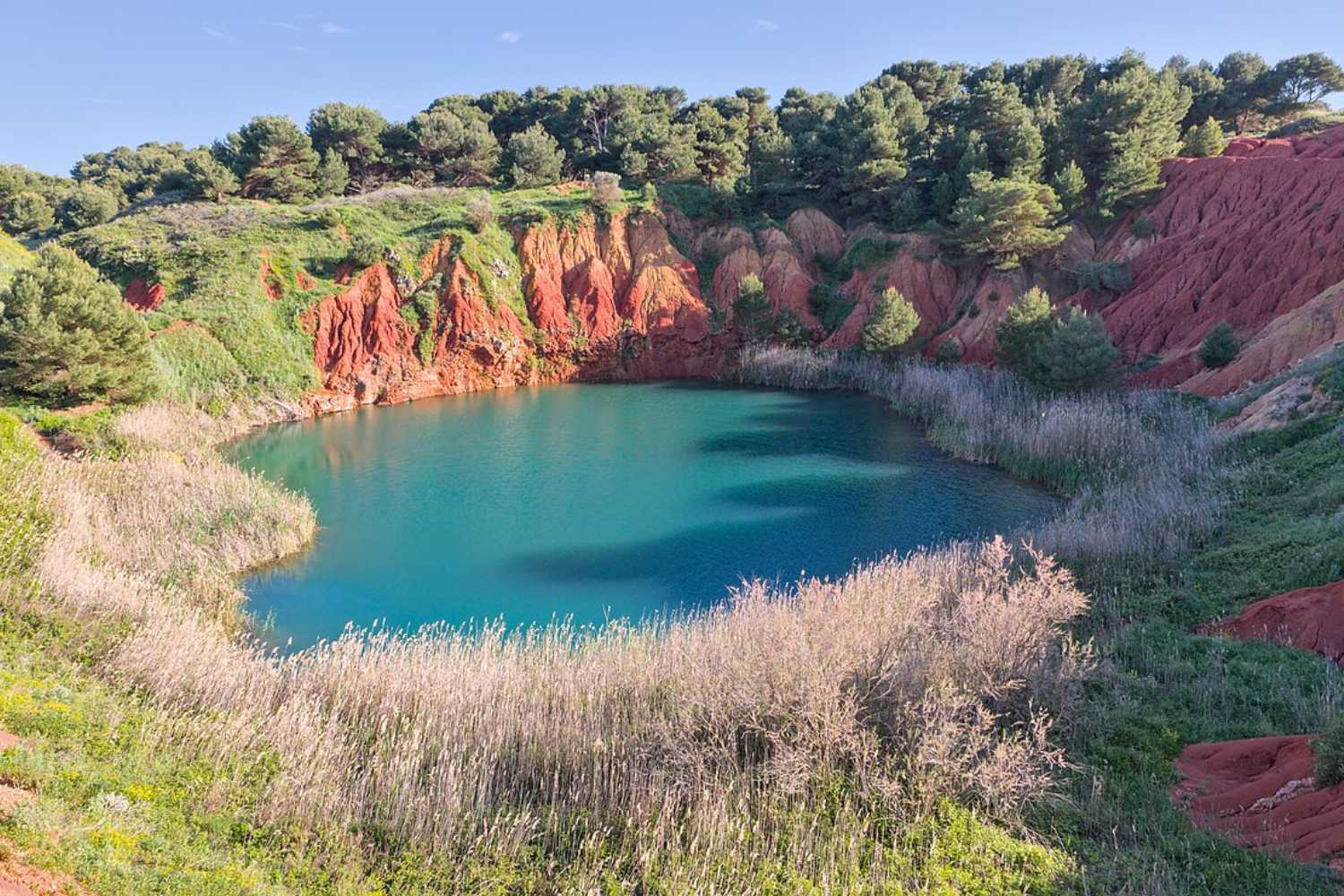
The contrast between the bright green of the water and the red of the earth creates an incredible, if not alienating visual effect. Those who visit the place has the feeling of really finding themselves on Mars or on a distant planet. The silence is broken only by the wind that sweeps the basin and by the song of the birds that colonized the area. The Mediterranean vegetation began to grow on the edge of the quarry, completing the process of spontaneous renaturalization.
A unique experience for visitors
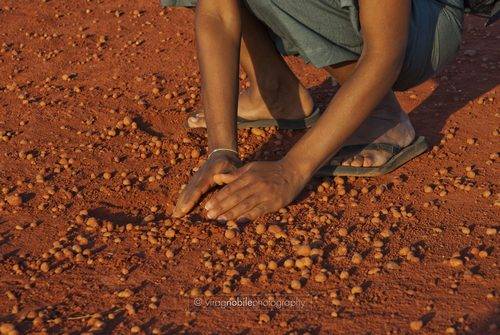
Today Bauxite’s quarry has become one of the most fascinating destinations in Salento. To reach it, simply leave Otranto and continue towards Santa Cesarea Terme for about three kilometers. A countryside, partly dirt road, leads to the parking lot located in Orte, inside the homonymous forest. From here starts a path of about three hundred meters that crosses swarm meadows and small forest spots, until it reaches the first belvedere on the lake.
The visit is free and requires no reservations. The path is simple and suitable for everyone, even if you need to pay attention: the ground is crumbly and gets dirty easily. Those who want to take photographs should avoid white or clear clothes, because Bauxite’s red powder deposits everywhere and signs are difficult to eliminate. Some signs and ropes delimit the accessible areas to ensure the safety of visitors, given that the fragility of the soil makes it dangerous to venture beyond certain points.
A territory to be discovered
Bauxite’s quarry is located a short distance from the lighthouse of Punta Palascìa, the easternmost point in Italy, where the Adriatic coast offers breathtaking views and Albania seems to be at hand, just seventy kilometers away. Continuing on foot, it is possible to reach Baia dell’Orte, a magnificent stretch of crystal clear sea framed by the cliffs of Sperendha, of the Remite and Punta Facas.
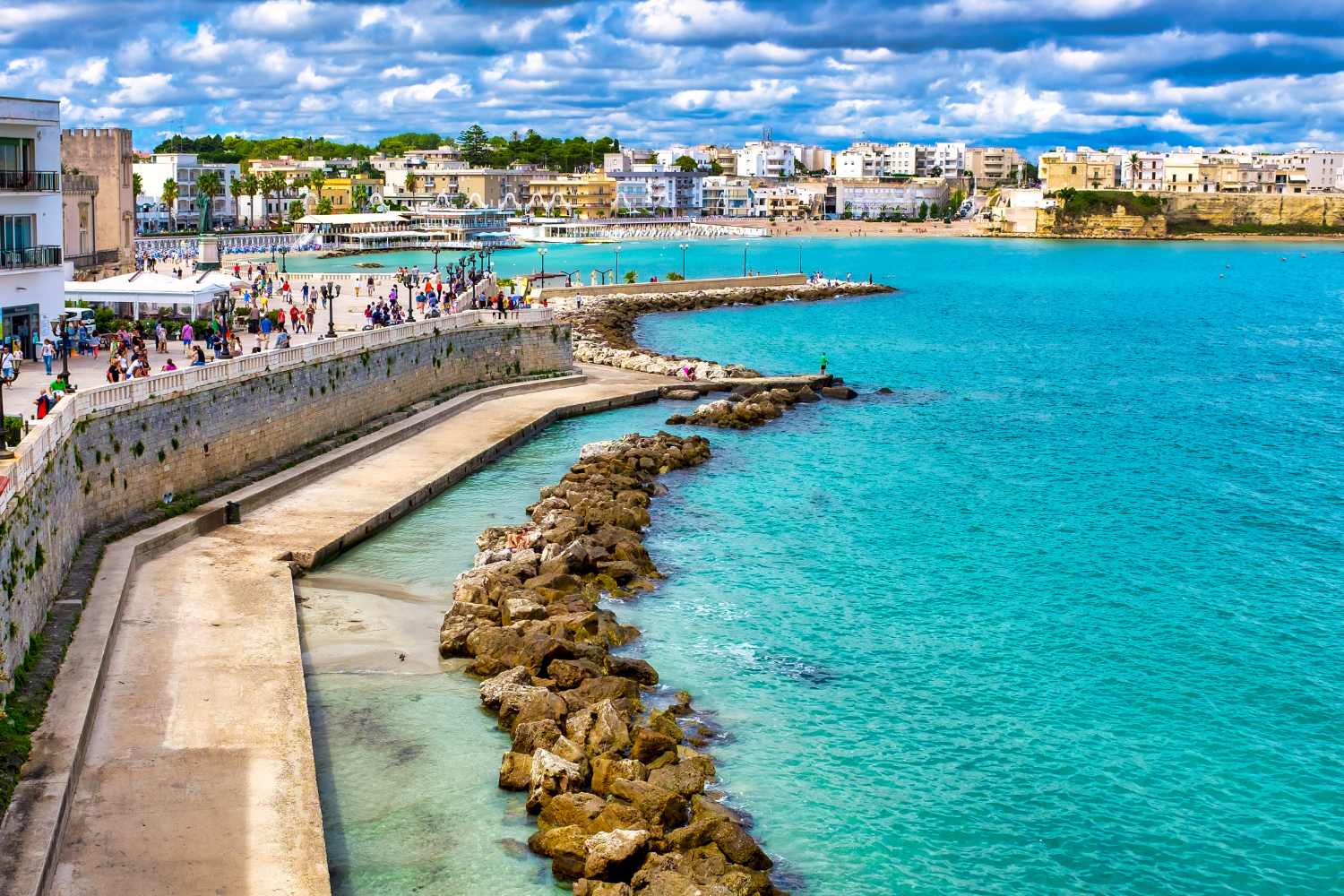
Otranto himself is worth a thorough visit. The historic center is a maze of white streets dotted with historical churches and buildings. The Aragonese Castle dominates the port with a truly imposing size, while the Cathedral of Santa Maria Annunziata houses extraordinary artistic treasures, including a medieval mosaic floor that represents the tree of life. The artisan shops of the center offer leather sandals and bags, hand -painted ceramics and worked wooden furnishing accessories, perfect as a memory of a trip to this ancient land.
A pearl to be preserved
Bauxite’s quarry represents a perfect example of how an abandoned industrial site can turn into tourist and cultural resources. The fact that the place is still relatively little known and immune to mass tourism is a fortune, because it allows you to enjoy a decidedly intimate atmosphere. But it is also a responsibility: the fragility of the territory requires respect and attention from those who visit it.
