

In the heart of the Venetian lagoon, south of Venice, the enchanting stands Chioggiaa city that amazes for its similarity with Amsterdam and Venice, but which preserves a truly unique and truly authentic identity. With its canals, bridges and calli, Chioggia offers a suggestive experience far from mass tourism.
A city between water and history
Town that touches the 50 thousand inhabitants, Chioggia has its roots in antiquity, with testimonies that date back toRoman era And they highlight the legendary link with the figure of Enea. Its urban structure is characterized by a lattice of canals and calluses, which recall the shape of a fish bone, a symbol of the deep bond with the sea and fishing.
Over the centuries, Chioggia has experienced significant historical moments, such as the Chioggia war (1378-1381) between Venice and Genoa, which saw the city at the center of clashes for the control of maritime trade. In the face of conspicuous losses and destruction, Chioggia was able to rise again and maintain an important role in the Republic of Venice.
The canals: vital arteries of the city
The historic center of Chioggia is crossed by Three main channels: the Canal Vena, the Canal Lombardo and the Canal San Domenico. The most picturesque is the Canal Vena, crossed by nine bridges, including the famous Ponte di Vigowhich connects to the homonymous square, where the column of Vigo surmounted by the winged lion of San Marco stands, affectionately called “el gato” by the Chioggiotti.
Along the foundations of the Canal Vena, the fish, fruit and vegetable market takes place daily, animating the city with colors and perfumes. The external channels, such as Canal Lombardo and Canal San Domenico, host high fishing boats, testifying to the liveliness of the local fishing boat.
An economy linked to the sea and land
There fishing It has always been a fundamental resource for Chioggia, which makes it one of the most important maritime ports of the Adriatic. Since the year one thousand, the Chioggiotti fishermen were organized in a statute called the Mariegola of Sant’Andrea. Over time, traditional boats such as Tartanes and Bragozzi have been replaced by motorboards, modernizing the sector.
Also agriculture It plays a significant role, especially in the hamlets such as submarine, where typical products such as red beet, carrot, onion and chioggia radicchio are grown. These products feed the local fruit and vegetable market, contributing to the city economy.
Sustainable tourism and authenticity
In recent years, Chioggia has seen tourist interest grow, thanks also to the recognition of the New York Times, which in 2022 included it among the destinations to visit, calling it “little Venice”. Do not be fooled by this name, because The city maintains a quiet and authentic atmospherefar from mass tourism which instead has been afflicting the Serenissima for decades.
Chioggia promotes a sustainable tourismwith different initiatives aimed at protecting the lagoon environment, such as cleaning canals and awareness of pollution. Visitors can explore the city on foot or by bicycle, and enjoy its beauty without negative impacts on the ecosystem.
Cultural and gastronomic heritage
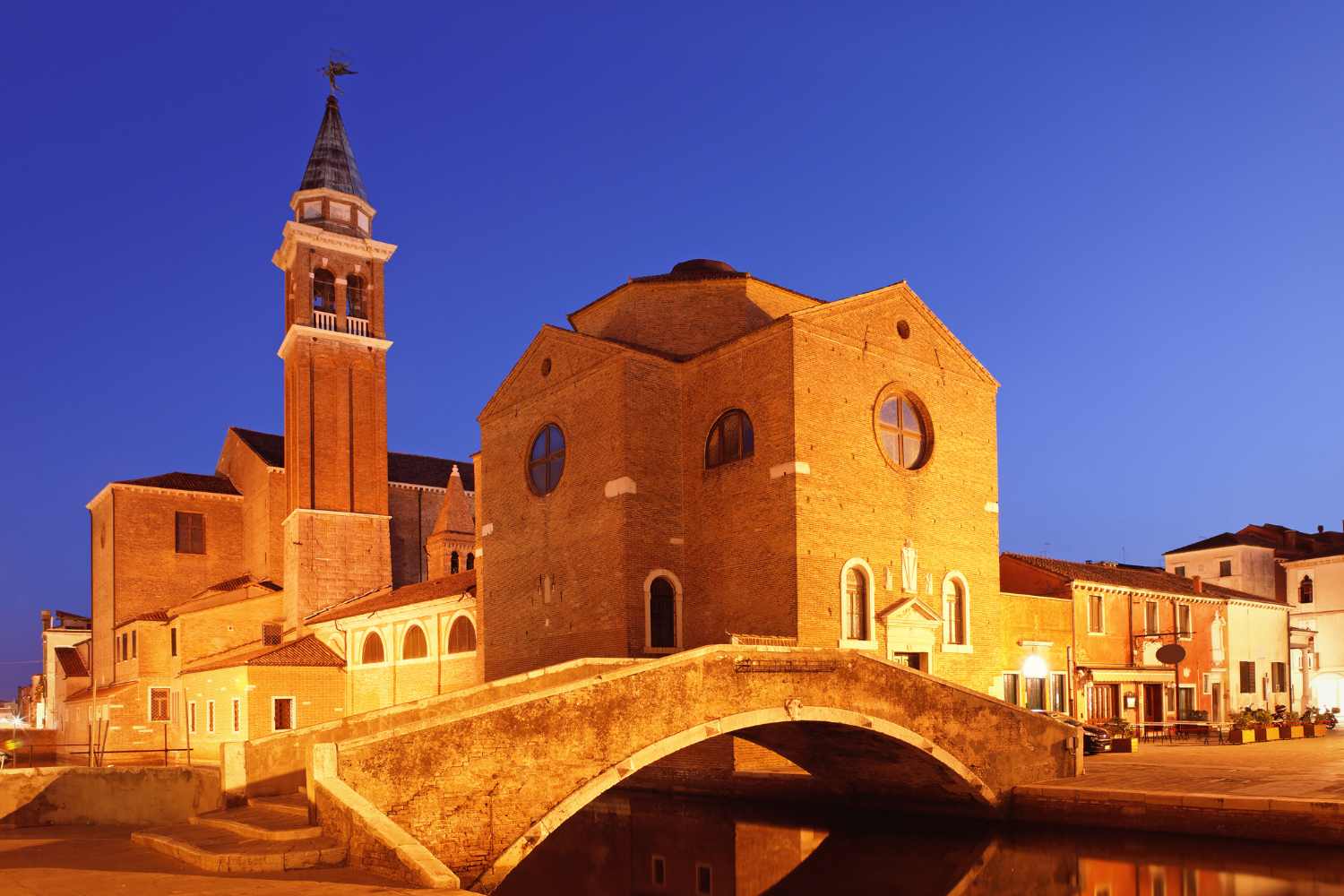
Chioggia boasts a rich cultural heritage, with historic buildings such as the Cathedral of the Assumption and the Clock Towerconsidered one of the oldest in the world still functioning. The city is also famous for the comedy “Le Baruto Chiozzotte” by Carlo Goldoni, who portrays the lively life of local fishermen.
Chioggiotta gastronomy is another strong point, with dishes based on fresh fish such as chioggiotta risotto, stewed cuttlefish and mixed fries. The fish market, open every morning, is an unmissable place to savor the authenticity of local flavors.
Museums and traditions
For those who want to deepen the history and local traditions, Chioggia offers museums such as the Civic Museum of the South Lagoonwhich collects archaeological testimonies and on marinery, and the “Giuseppe Olivi” Zoology Museumdedicated to the Marine Fauna of the Adriatic.
Events such as the fish festival and the Palio della Marciliana, which recalls the Chioggia war, animate the city, involving residents and visitors in a festive and engaging atmosphere.
Without
To conclude
Chioggia is a hidden gem of Veneto – which offers visitors a less traumatic experience than the famous counterparties, Venice in particular – between channels, history and traditions. Far from mass tourismthe city invites to discover its beauty with great calm, confident that it is possible to know every detail here and let yourself be enchanted by its unique atmosphere in a decidedly more livable way.
