
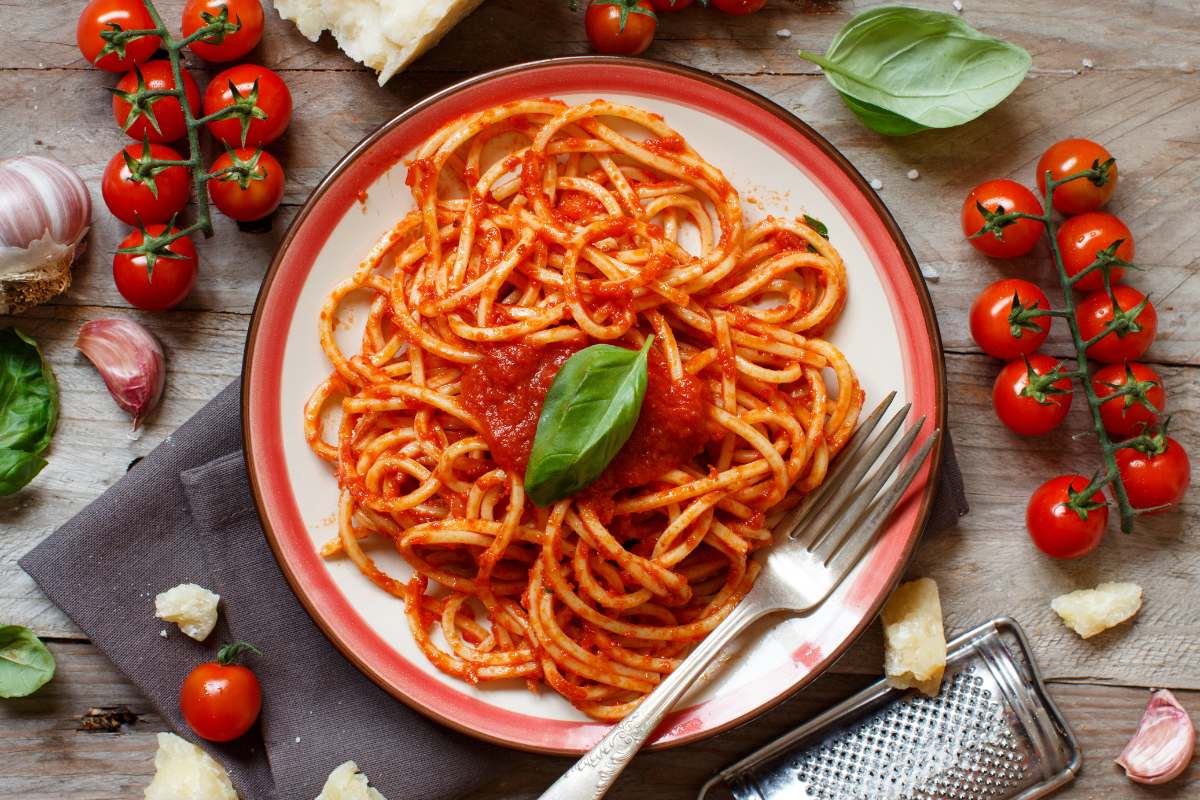
Italian cuisine is about to reach a historic and long-awaited milestone: its candidacy for the UNESCO Intangible Cultural Heritage List has just received a positive evaluation from technical experts. An extraordinary result, the result of long and meticulous work, which enhances not only the quality of the food, but the entire cultural model that this tradition brings with it.
In the dossier that supports this candidacy, entitled “Italian Cuisine, between sustainability and biocultural diversity”, data, testimonies and documentation were collected to best describe the essence of Italian gastronomy, a heritage that goes far beyond individual dishes or iconic recipes such as lasagna or pizza, but which embraces an entire lifestyle that has been handed down for generations.
It’s not just food, it’s culture and tradition
This nomination does not celebrate a famous dish or an exclusive preparation, but an entire cultural model. Italian cuisine is a mix of community experiences, of a deep relationship with the land, of conscious choices linked to raw materials, and of an idea of conviviality that unites people around a table. It is food that is prepared together, that is passed on to new generations, that respects the natural cycles of the seasons and enhances the territories.
“Italian cuisine is a collective history, written every day in homes, communities and territories. This recognition would be a great source of pride for the whole of Italy,” declared Gianmarco Mazzi, Undersecretary of the Ministry of Culture with responsibility for UNESCO.
Italian cuisine is much more than a simple eating habit: it is a perfect balance between man and the environment. Respectful of biodiversity, it celebrates local products, promotes the reuse of food and encourages more conscious eating habits. Each dish tells the story of a landscape, a community and a territory. Cuisine is the thread that binds the historical memory of a people to their daily life, creating a deep bond with the roots and culture of every area of Italy.
It is the “cuisine of affection”, the one that is handed down from mother to child, which tells stories of family and community, in which each dish is an act of care and sharing.
When will the “verdict” come?
After the positive evaluation, the Italian cuisine dossier will be examined by UNESCO’s Intergovernmental Committee for the Safeguarding of Intangible Cultural Heritage. The final decision will be taken during the Committee’s session, scheduled to be held in New Delhi from 8 to 13 December. International experts will evaluate not only the cultural value of Italian cuisine, but also its sustainability and ability to transmit knowledge to future generations.
If this application is accepted, Italian cuisine will not only be recognized as a universal heritage, but will see the inseparable link between food, culture and community that has always distinguished it celebrated throughout the world. A goal which, beyond official recognition, reminds us how much food can be a universal language of identity and solidarity.
Sources: Ministry of Culture/UNESCO
