
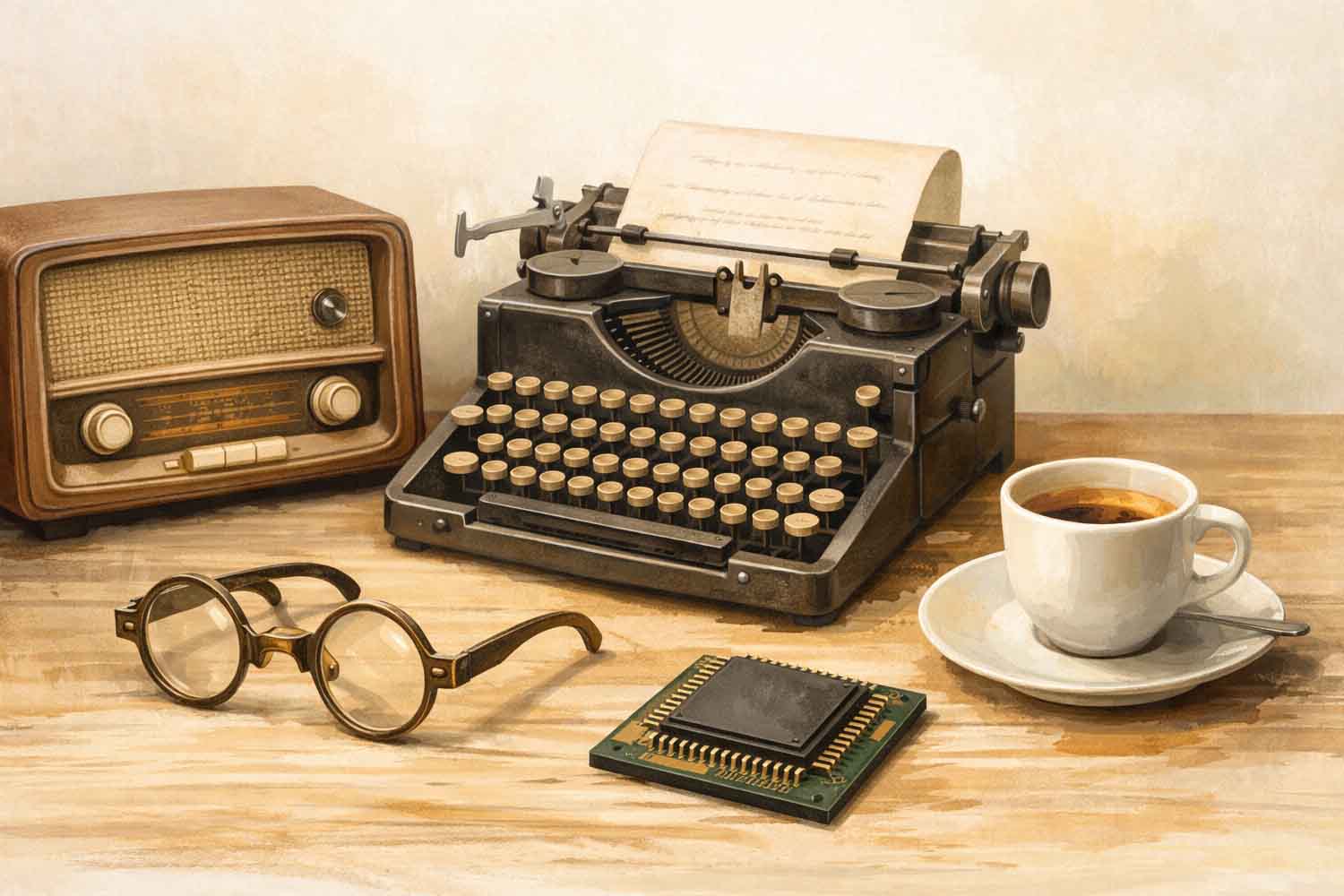
Italy has not only exported art, cuisine and beauty. Over the centuries it has profoundly impacted global daily life, often without taking credit. Many technologies that today we take for granted are in fact born from Italian intuitions, experiments and strokes of genius, then perfected or “adopted” elsewhere. We are not talking about folklore, but about Italian inventions which have forever changed communication, science, music, industry and well-being.
Italian inventions that revolutionized the modern world
There is a common thread that runs through centuries of Italian history: practical ingenuitycapable of transforming a concrete problem into a solution destined to last. These inventions have not always remained linked to the name of those who conceived them. Sometimes they have been forgotten, other times attributed to other countries, still others have entered our homes without us asking where they really came from.
From sound to communication
The pianoa central instrument in Western music, was born at the beginning of the eighteenth century thanks to Bartolomeo Cristoforicraftsman at the service of the Medici court. His intuition was simple and revolutionary: an instrument capable of modulating the intensity of sound based on touch. From there, Mozart, Beethoven and Chopin would never exist as we know them.
A few centuries later, another revolution: the voice that travels over a distance. The telephone was not born with Bell, but with Antonio Meuccian Italian emigrant who filed a provisional patent in 1871, without however having the financial means to support it. Only in 2002 did the United States Congress officially recognize its role in the birth of the telephone.
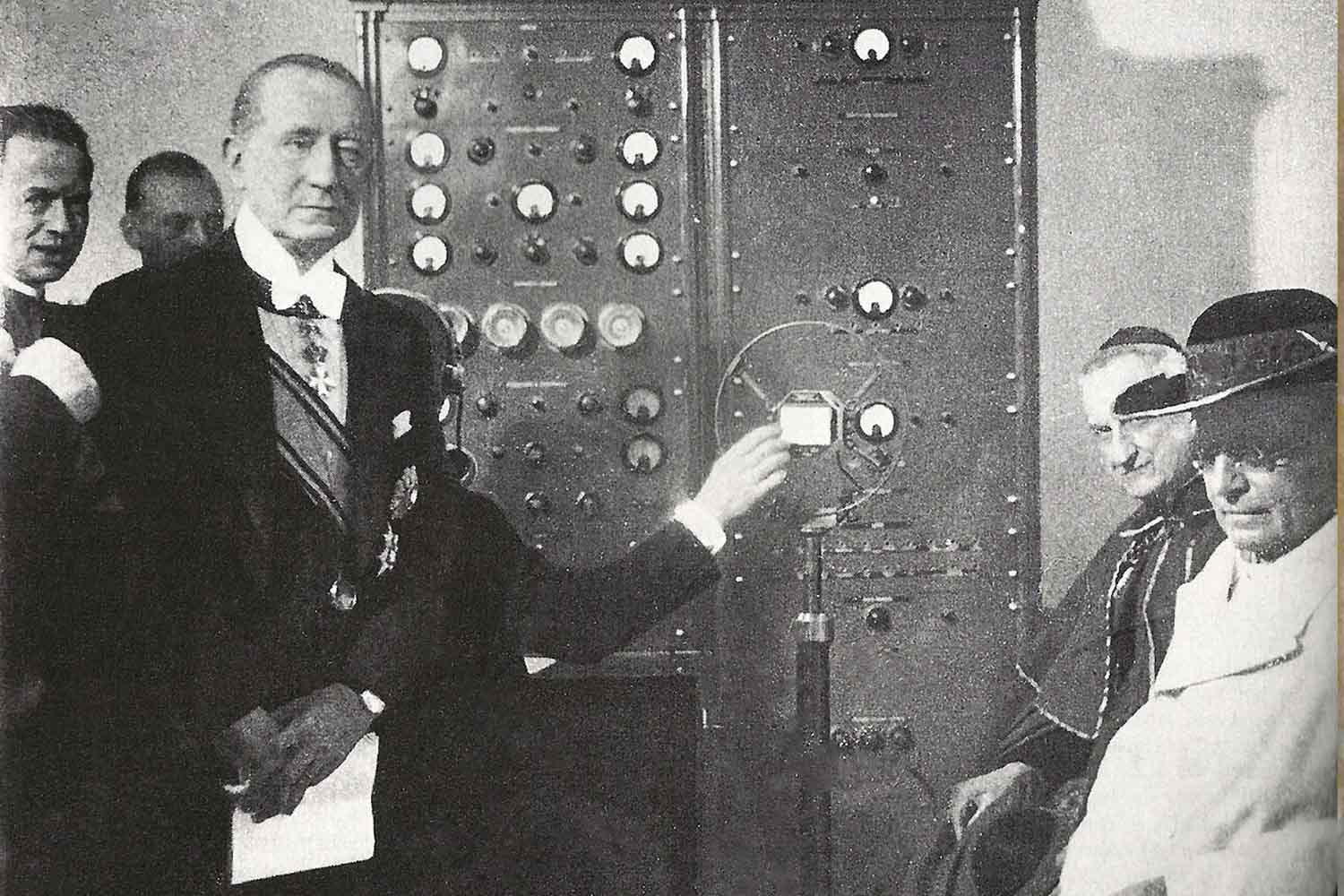
And when does the voice become a wave? It’s the turn of Guglielmo Marconiwhich in 1895 managed to transmit wireless signals. Radio will not only be entertainment, but a political, military and cultural instrument. Without Marconi, the twentieth century would have had another soundtrack.
Technology, science and Italian brains behind the digital age
If today we live immersed in technology, part of the credit also goes to Federico Faggin. Together with Marcian Hoff, he developed the Intel 4004 in 1971, the first commercial microprocessor in history. A small chip capable of 60,000 operations per second, direct ancestor of smartphones, computers and modern cars.
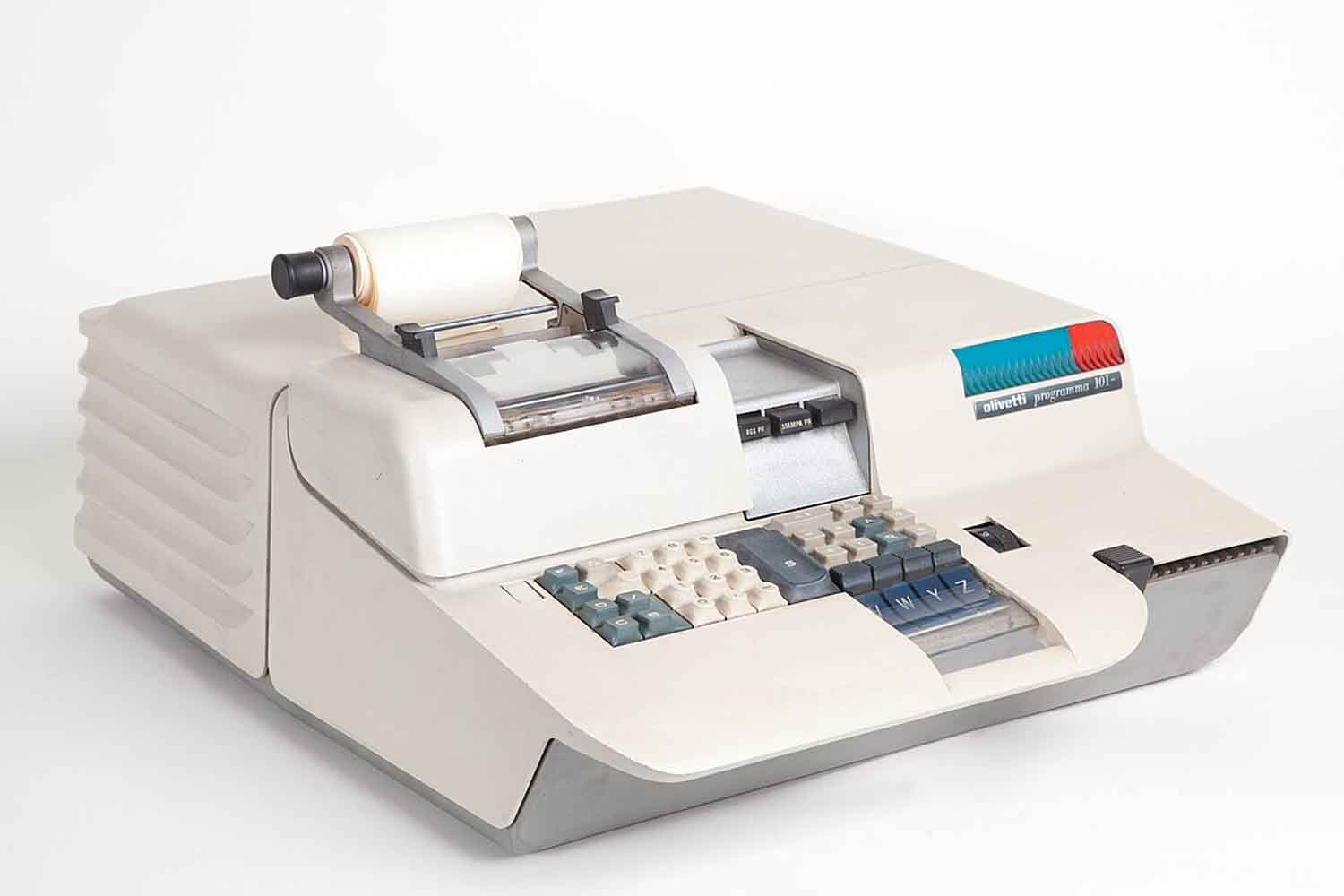
But already before, in 1964, Italy had anticipated the future with the Olivetti Program 101designed by Pier Giorgio Perotto. A programmable desktop machine, even purchased by NASA. It was, in fact, the first personal computer, when the concept itself did not yet exist.
Energy, movement and inventions that ignite progress
At the basis of every modern device is energy. There electric battery was born in 1800 thanks to Alessandro Voltawhich demonstrates how two metals and an electrolyte can generate direct current. Senza Volta, no batteries, no portable electronics, no electric mobility.
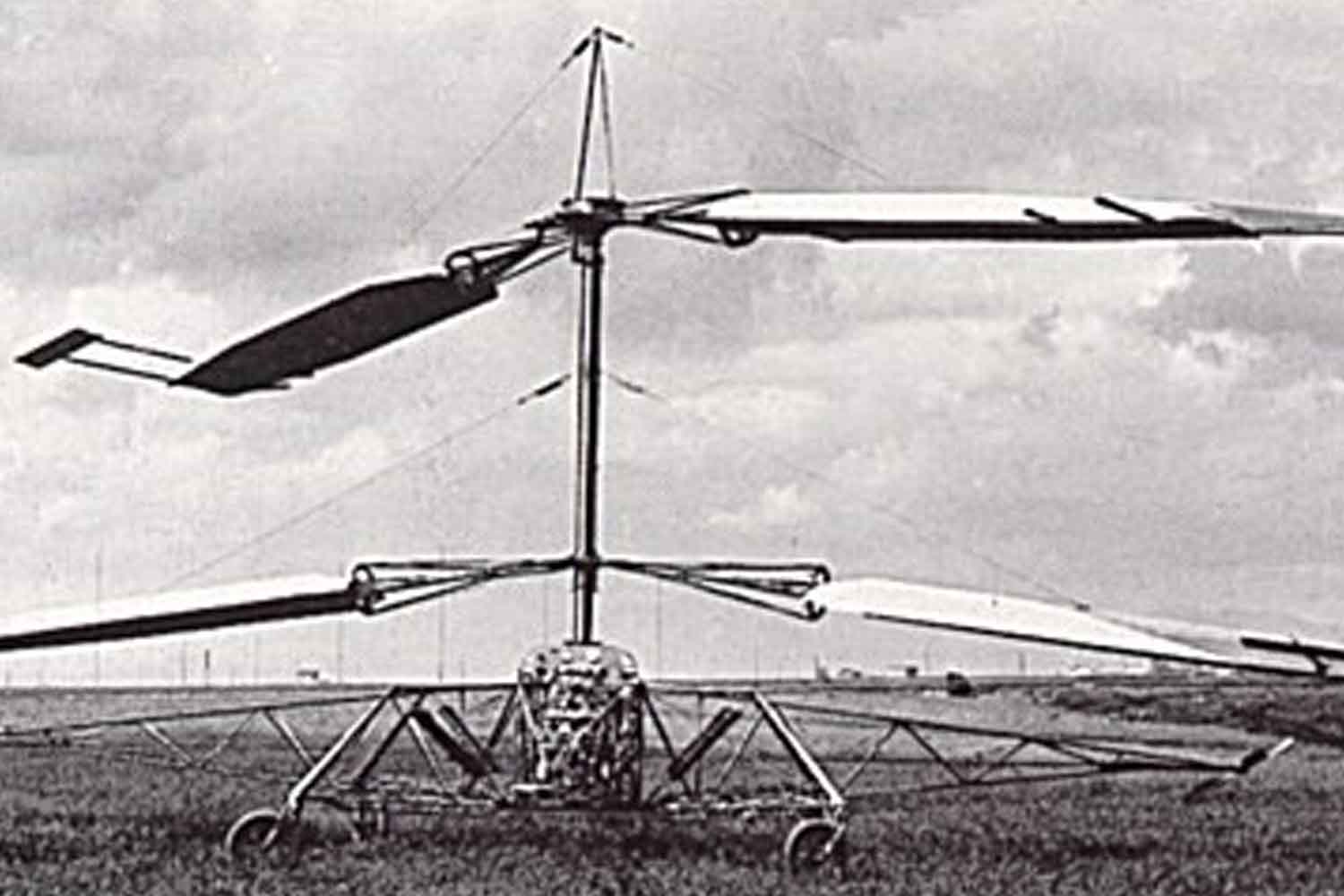
Even the dream of flying has Italian roots. Leonardo da Vinci he did not build a helicopter, but with his “aerial screw” he inspired centuries later Vittorio Sarti, Enrico Forlanini And Corradino d’Ascaniountil the first flight with a passenger. D’Ascanio himself, in 1946, created the Vespa, another global symbol of Italian design.
Daily life: comfort, well-being and modern pleasures
Long before wellness became a trend, Candid Jacuzzi invented thehydromassage to ease the pain of a sick child. An entire wellness industry will be born from a family necessity.
Even theexpresseda global daily ritual, would not exist without it Luigi Bezzerawho at the beginning of the twentieth century patented a machine capable of forcing hot water at high pressure into ground coffee.
And even modern plastic has an Italian signature: Giulio Nattainventor of polypropylene. A material that transformed the world industry, for better or for worse, and which earned him the Nobel Prize for Chemistry in 1963.
Forgotten (but fundamental) Italian inventions
Someone Italian inventions they don’t make any noise. They are not associated with great industrial revolutions or symbolic dates, yet they have had a profound impact on the daily lives of millions of people, improving them in a silent and lasting way. They are those innovations that we take for granted today, but which, from the moment of their appearance, represented a cultural, social and even democratic turning point.
Let’s start with eyeglasseswhich appeared in Italy between the end of the 13th and the beginning of the 14th century. The first testimonies come from the area between Pisa, Florence and Venice, very lively centers of craftsmanship and knowledge. Before glasses, losing your sight often meant losing your job, your autonomy, your social role. The introduction of corrective lenses has allowed scholars, craftsmen, scribes and workers to continue to be activeeffectively extending people’s professional and cultural lives. An innovation that today we would define as inclusive, born centuries before there was any talk of rights or accessibility.

A similar argument applies to the barometerinvented in 1643 by Evangelista Torricelli. The possibility of measuring atmospheric pressure paved the way for modern meteorology, making climate change predictable – at least in part. A fundamental step not only for science, but for agriculture, navigation and safety. Understanding the weather, anticipating it, preparing: a concept that today, in the midst of the climate crisis, is more relevant than ever.
Less known but equally fascinating is the pantelegraphinvented in the mid-nineteenth century by Giovanni Caselli. This tool allowed texts and images to be transmitted remotely via telegraph lines, anticipating the fax by decades. In an era in which communication required time and physical travel, the pantelegraph represented a revolutionary idea: let information travel without making people move. A principle that today is the basis of digital communication and remote working.
Finally, the typewritercreated at the beginning of the nineteenth century by Pellegrino Turri to allow a blind woman to write independently. Not only did Turri invent one of the first working prototypes, he also designed the carbon paperto make the text readable. This invention radically changed the world of work, administration and journalism, making writing faster, accessible and standardized. Another example of technology born from a concrete human need, not from an abstract idea.
They are inventions that don’t often end up on the cover, but which describe a typically Italian trait well: the ability to observe reality and improve itstep by step. And it is perhaps precisely for this reason that, even today, they continue to speak to us.
