
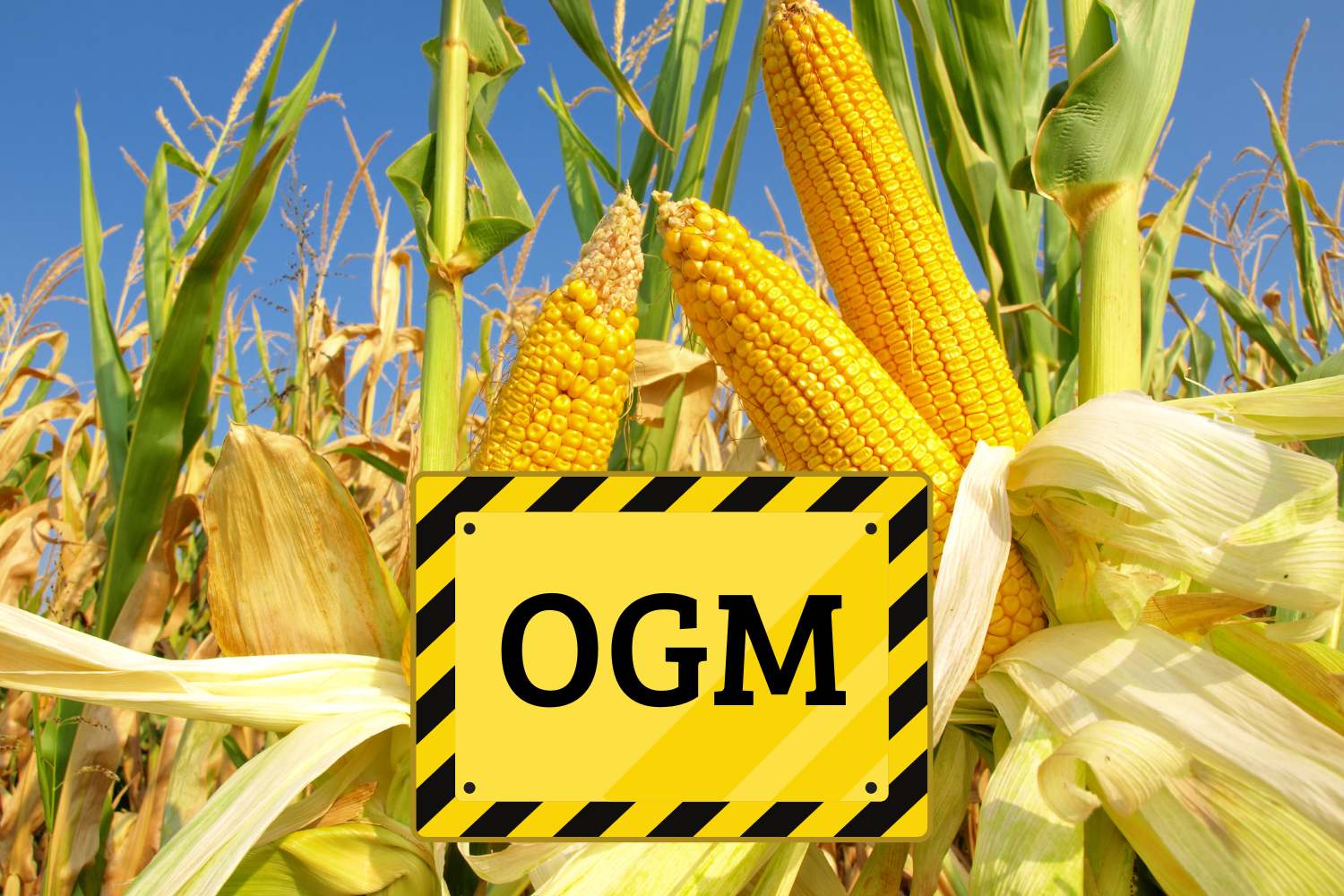
The Court of Justice of the European Union has put a firm point on the issue of genetically modified organisms: member states have the full right to prohibit the cultivation of GMOs on their territory, even when these are already authorized at European level.
The ruling comes after years of legal battles and recognizes that the cultivation of GMOs is not just a technical-scientific issue, but touches on dimensions deeply linked to land use, agricultural structures and the protection of ecosystems.
The case that led to the sentence
It all started from the appeal of a Friulian farmer who had grown MON 810 corn – a genetically modified variety produced by Monsanto – despite the ban in force in Italy. The authorities had ordered the destruction of the crops and imposed fines of 50,000 euros.
However, the farmer contested the legitimacy of the ban, arguing that if a GMO is authorized for sale, it should not be allowed to be banned for cultivation.
The issue ended up before the Italian courts, which asked the European Court to rule on the validity of the procedure that allows states to limit or ban the cultivation of specific GMOs.
How the European mechanism works
Since 2015, the European Union has introduced a procedure that allows member states to request the exclusion of their territory from the authorization of the cultivation of a GMO. The process is relatively simple: the state submits a request, which is communicated to the authorization holder (in this case Monsanto). If no objection is received within 30 days, the geographic scope change automatically becomes applicable.
In the case of MON 810 maize, 19 Member States, including Italy, have asked to be excluded from cultivation. Monsanto did not object, effectively giving its tacit consent to the geographical limitation of the authorization.
The sentence
The Luxembourg judges recognized that the European legislator has a wide margin of discretion in complex sectors such as the cultivation of GMOs, which require not only scientific but also political, economic and social evaluations.
The ruling clarifies some fundamental points:
- The ban does not violate the free movement of goods: banning cultivation does not prevent companies from importing products containing GMO corn nor consumers from purchasing them. The ban only affects local agricultural production
- There is no discrimination between farmers: Member States retain the right to make different choices based on their territorial specificities. Cultivation is linked to land use and local agricultural structures, so the situations of farmers in different countries are not directly comparable
- The procedure respects the principle of proportionality: the mechanism offers flexibility to States without compromising the common European authorization procedure, which continues to be based on the assessment of risks to health and the environment
- The owner’s consent is decisive: when the company that holds the authorization agrees (even tacitly) to the geographical limitation, there can be no violation of free movement rights
What actually changes
The ruling confirms that states can ban GMOs without having to demonstrate specific risks to health or the environment – these aspects remain assessed at European level. The reasons may concern environmental policy objectives, territorial planning, land use, socio-economic impacts, agricultural policy or other reasons of public interest.
It is important to note that this flexibility only applies to cultivation. The scientific evaluation of the safety of GMOs and the rules on their marketing remain unified at European level, precisely to guarantee the functioning of the internal market.
Italy has always maintained a very cautious position on GMOs, also by virtue of the richness and diversity of its agricultural heritage. The ban on the cultivation of MON 810 corn is part of a broader choice to protect traditional productions and agricultural biodiversity.
