
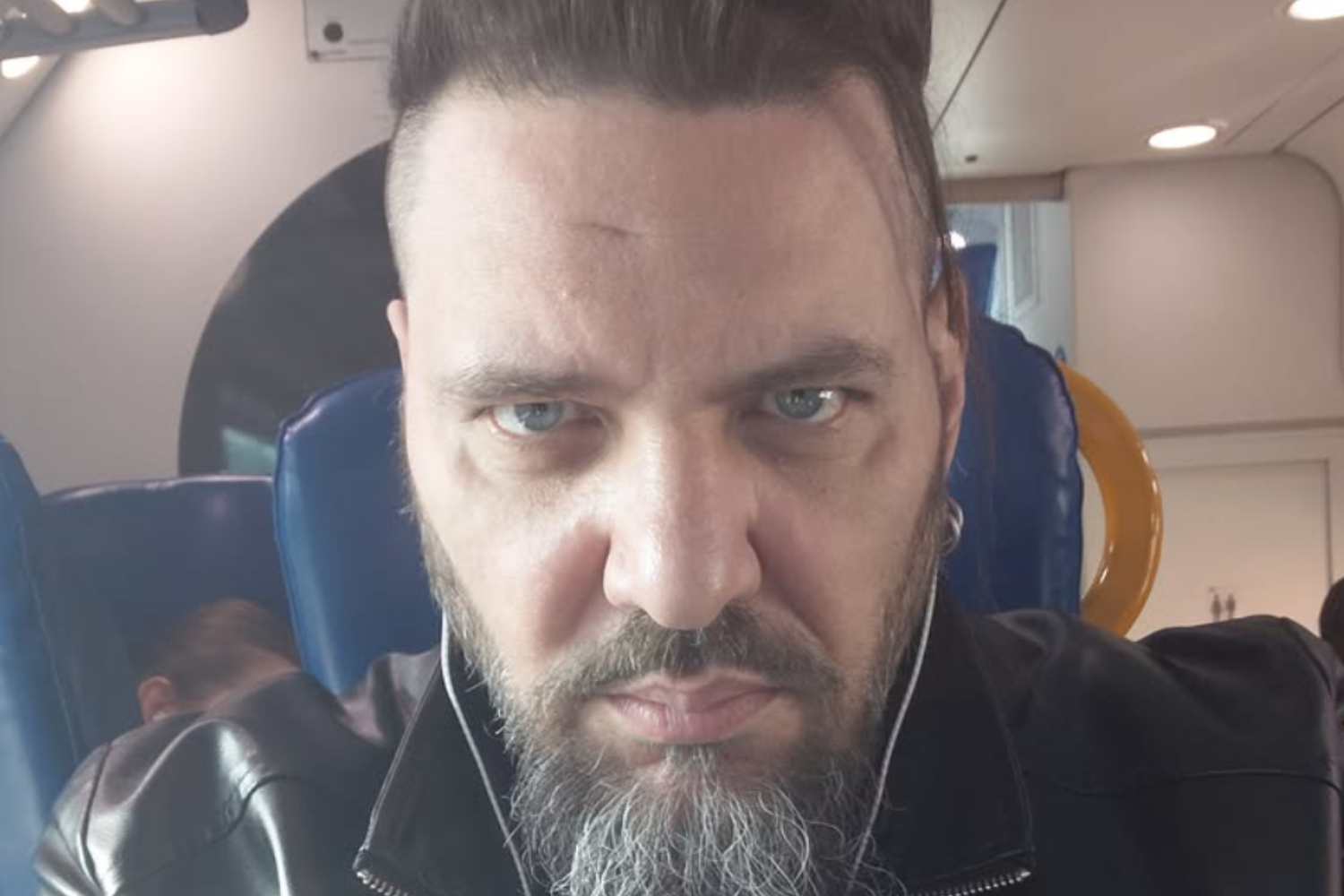
The world of independent cinema has lost one of its most recognizable presences: Federico Frusciante has in fact passed away at the age of 52. For thousands of fans he was a lighthouse, an irregular and authentic guide capable of transforming every review into a journey into the soul of the films. The news, spread on his official profiles yesterday evening, triggered a wave of messages on social media: spontaneous testimonies of an affection built over time.
View this post on Instagram
From Videodrome to YouTube: a counter-current cultural presence
Born in Pontedera in 1973, Frusciante had linked his name to Livorno, where at just 25 years old he opened a video store destined to become a symbol: Videodrome, a tribute to the film of the same name by David Cronenberg. It was not a simple rental shop, but a laboratory of ideas, discussions, discoveries. For over twenty years it resisted the advance of the large chains, wild streaming, and the radical transformation of the market. When he finally lowered the shutter in 2022, an era was coming to an end.
View this post on Instagram
But Frusciante had never limited himself to the bar. It was precisely among those shelves that he began to record his first reviews, opening the YouTube channel “Federico Frusciante” and conquering an increasingly larger audience. His style? Direct, passionate, without diplomacy. He loved horror, genre cinema, forgotten classics, and he told them with an expertise nourished by study and compulsive visions.
Critics and the unfiltered debate
In recent years he had given life, together with Francesco Alò, Davide Marra and Mattia Ferrari (Victorlaszlo88), to the “Criticoni” project: meetings in Italian theaters and cinemas, heated debates on new releases, intense discussions with the public. No reassuring script, but lively, sometimes edgy, always argued analyses. Frusciante believed in discussion as a cultural act, not as an exercise in consensus.
View this post on Instagram
Collaborator of magazines such as FilmTV And Nocturnoa musician with a post-punk background, occasionally an actor and composer, had built a multifaceted figure, far from the mold of the academic critic. His dream? A House of Cinema in Livorno, a space open to screenings, meetings and training.
Today there remain hundreds of videos, interventions, discussions. Above all, what remains is the energy of a man who defended cinema as a collective experience, when everything seemed to push him towards domestic isolation. And there remains a community that, thanks to him, has learned to watch films with more curious and less accommodating eyes.
View this post on Instagram
