
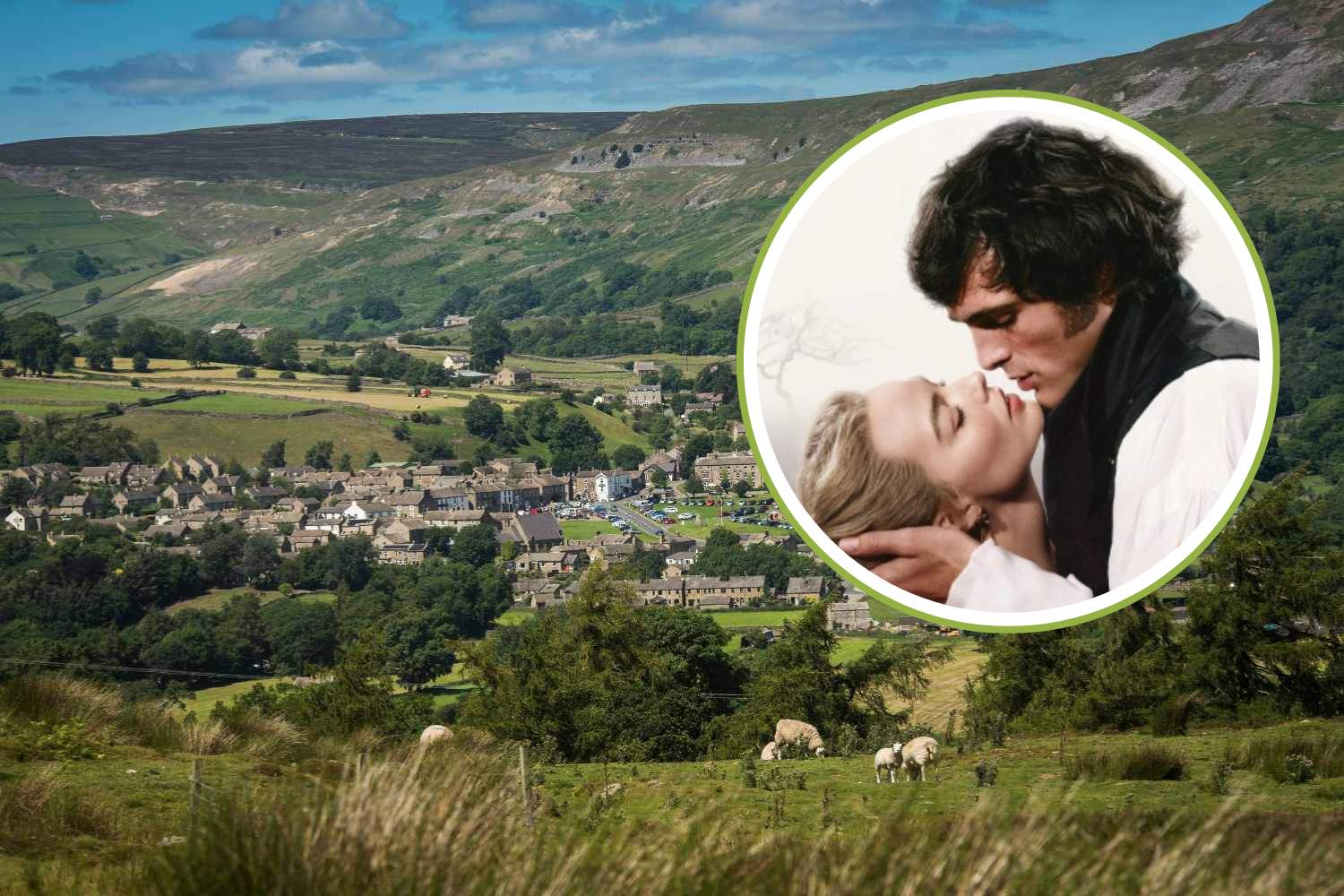
Windswept moors, ruins of ancient mines, stone villages where time seems to have stopped. This is the landscape that is the backdrop to the new film adaptation of Wuthering Heights (you can read our review), directed by Emerald Fennell and in Italian cinemas from 12 February 2026, with Margot Robbie in the role of Cathy and Jacob Elordi in those of Heathcliff. A film that does not limit itself to telling the tormented story of Emily Brontë’s 1847 novel, but embodies it in the territory that generated it: Yorkshire, in the north of England, among dark skies, uncultivated expanses and that harsh beauty that makes no concessions to easy romanticism.
Yorkshire Dales National Park: the wild heart of the film
The focus of the filming is the Yorkshire Dales National Park, an immense expanse of valleys, moorland and dramatic landscapes that occupies a significant portion of North Yorkshire. It is here, between the valleys of Arkengarthdale and Swaledale – among the most northern and uncontaminated in the park – that Fennell found the perfect scenarios to restore the wild soul of the novel. Windswept meadows, barren hills, lonely paths: a landscape that is not the backdrop to the story, but is an integral part of it, an external mirror of the destructive passion between the two protagonists.
View this post on Instagram
The village of Reeth, the main center of the Swaledale valley, is the natural starting point for those wishing to explore these locations. From here we reach some of the most evocative shots of the film.
Among the locations that appear in the early sequences are the Old Gang Smelt Mill lead mines in Swaledale: ruins of an industrial building with a tall chimney, remnants of early 19th-century Yorkshire mining. A horse-drawn carriage passes through a narrow valley, and the effect is that of an era that has never quite gone away. Park staff remind visitors not to touch the ruins or remove any objects from the area.
View this post on Instagram
Bouldershaw Lane and the rural villages
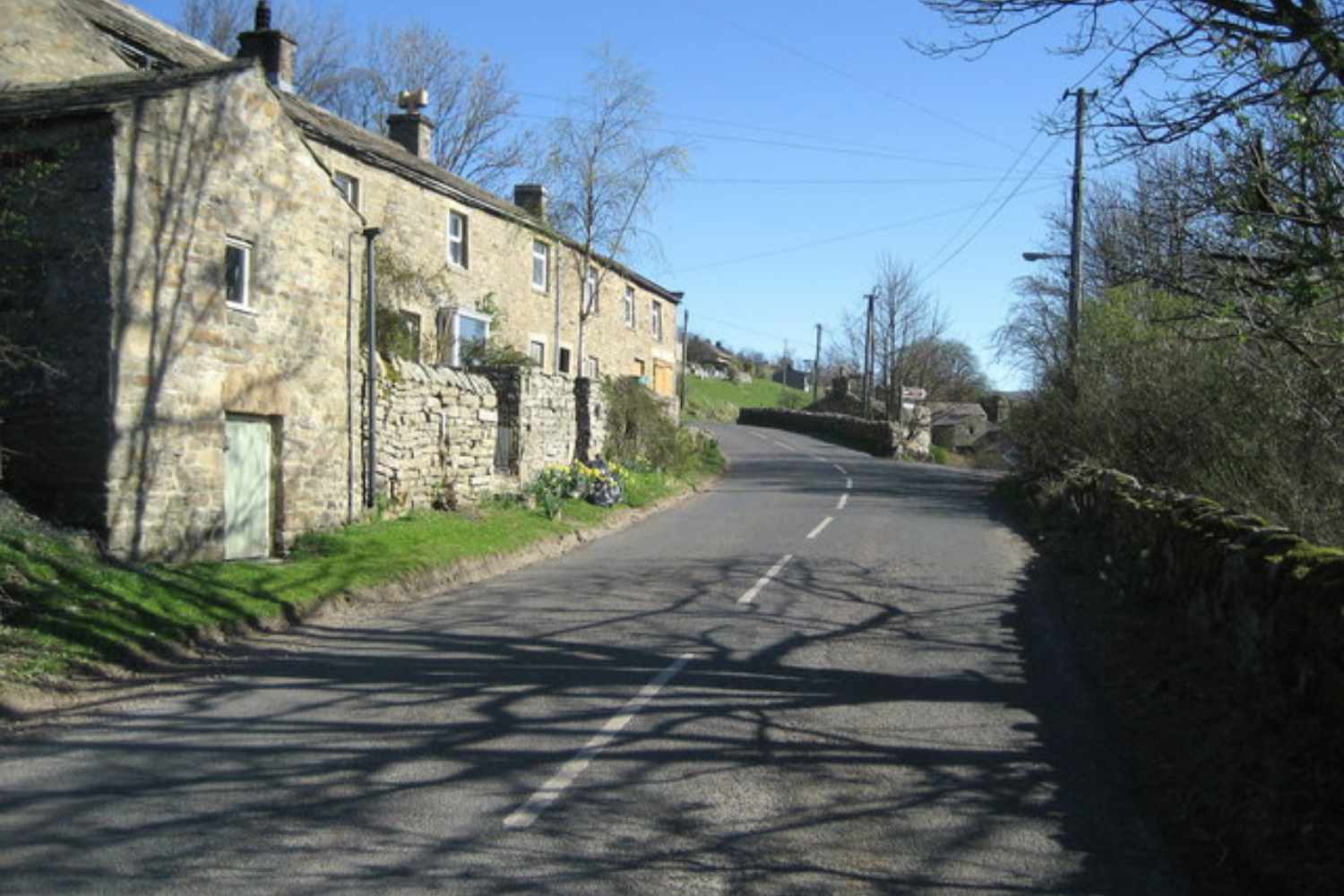
Bouldershaw Lane winds towards the village of Langthwaite, in Arkengarthdale, a country road where some of the most iconic sequences were filmed: it is here that we see Margot Robbie in a long dress and wedding veil walking towards a large field with a bouquet in her hand, in a scene that perfectly condenses the tension between romance and restlessness that runs through the entire film.
Langthwaite is also home to the Red Lion Inn, a traditional pub which has already appeared in other films and television series, from which a dirt road leads up through the hilly area of Booze Moor to moorland dotted with further mining remains. Not far away, the small village of Low Row, with its typical stone houses, offers a genuine insight into the rural life of Yorkshire that Brontë knew well, and therefore used for filming.
On the trail of the Brontës: from Haworth to Thornton
No journey on the trail of Wuthering Heights would be complete without a stop in Haworth, West Yorkshire.
View this post on Instagram
It is here that Patrick Brontë became curate in 1820, bringing his family with him to the Georgian rectory which now houses the Brontë Parsonage Museum: the rooms are preserved as they appeared in the 19th century and contain the largest collection in the world of objects belonging to the three sisters – books, letters, clothes, manuscripts. According to The Guardian, the museum welcomes around 75,000 visitors every year, a number expected to grow in 2026. This is not a negligible detail: the film’s production designer Suzie Davies drew on the museum to reconstruct the interiors of the film.
View this post on Instagram
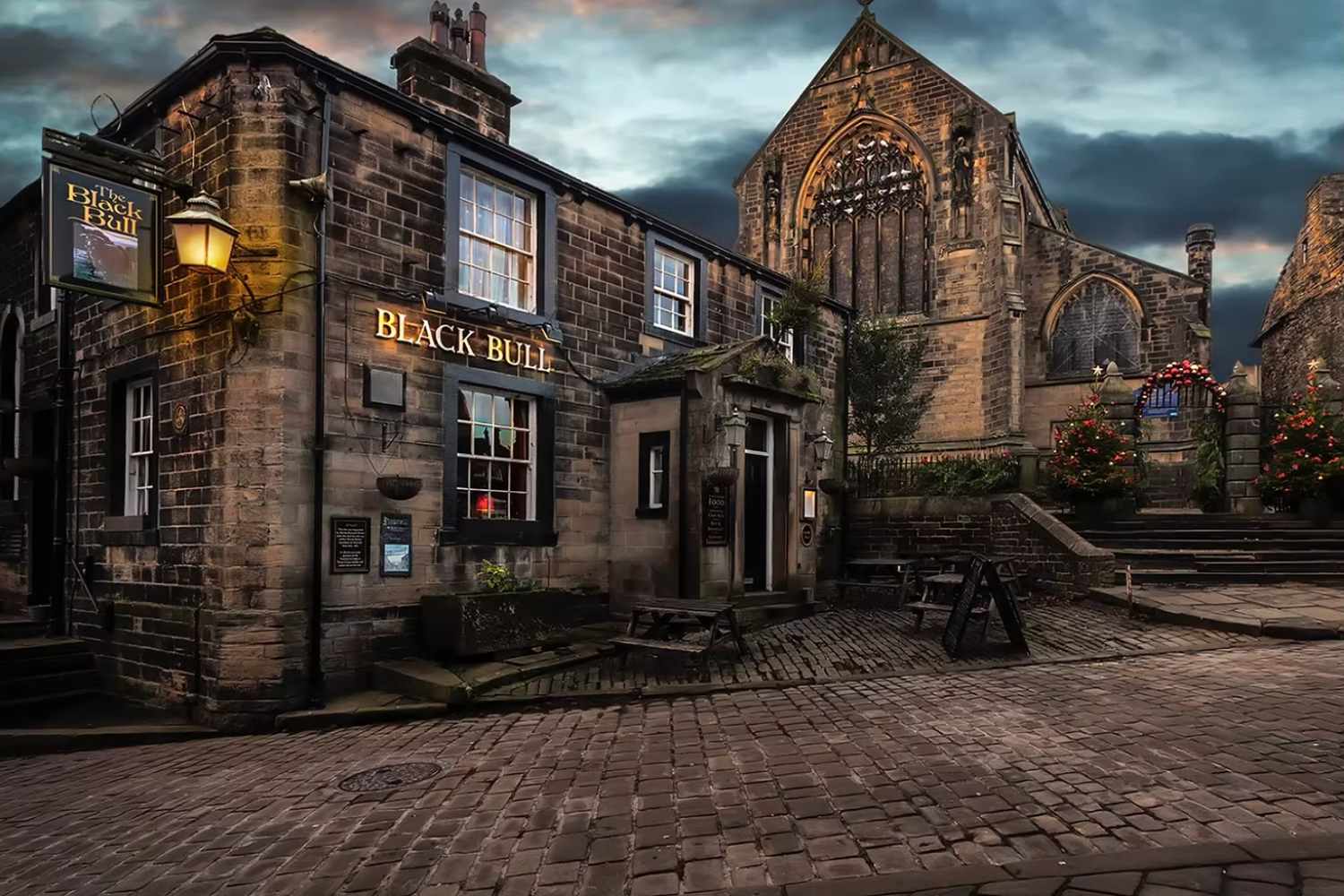
Walking through the cobbled streets of Haworth, with the stone shops of Main Street and The Black Bull Inn – the pub frequented by Branwell Brontë, brother of the three writers – it is difficult not to feel the weight of that literary history.
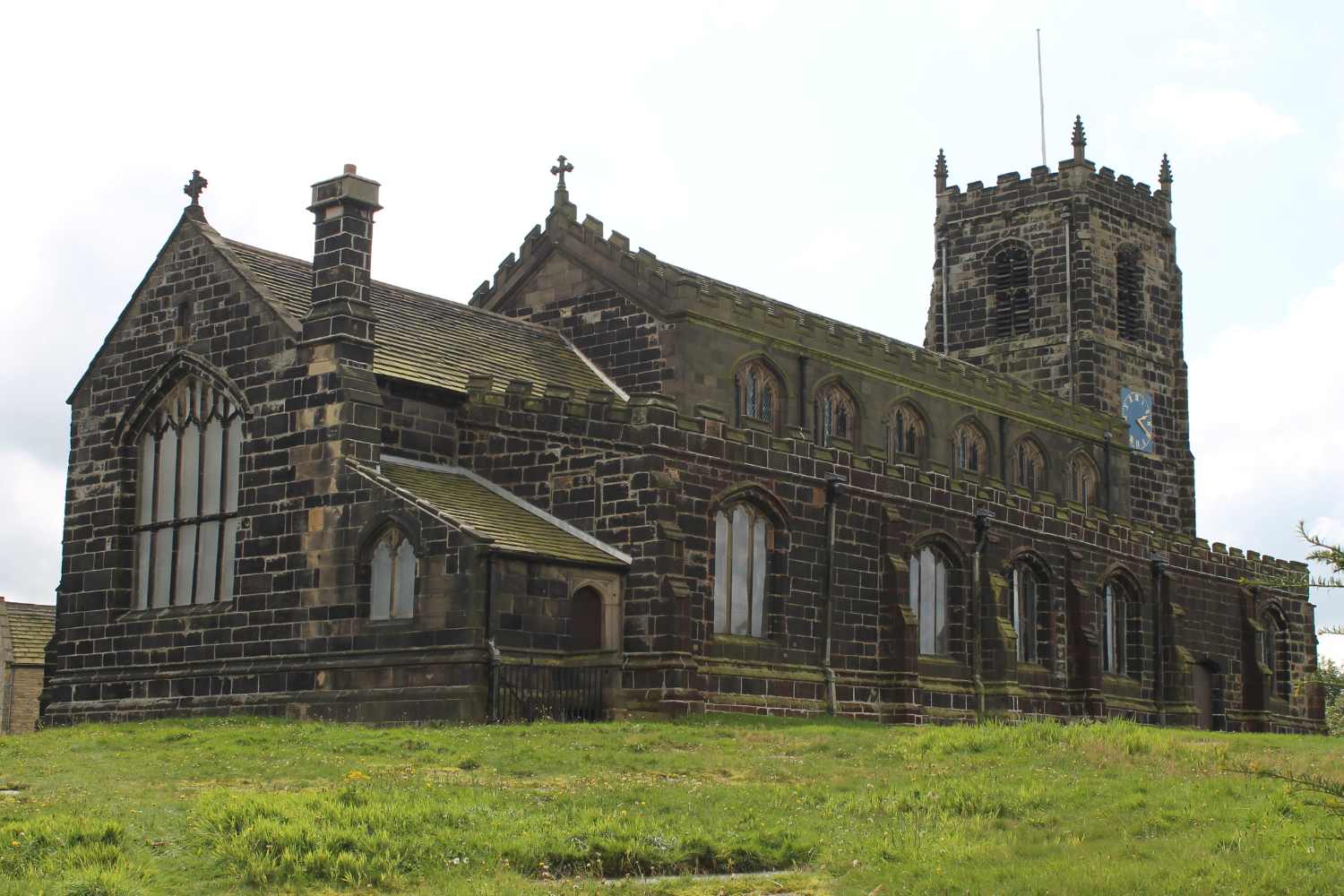
Also worth visiting are St Michael and All Angels Church, the parish served by Patrick Brontë for 41 years, and the Old School Room, another building linked to the memory of the family.
To complete the picture there are places directly linked to the Brontës’ biography, such as Thornton, in West Yorkshire, the town where Charlotte, Emily and Anne were born: a non-secondary detail for those who want to retrace the origins of that literary world that Fennell’s film brings to life.
It is here that the production recreated Cathy’s room, entirely covered in pink — a truly unexpected touch of color compared to the dark atmosphere of the rest of the film, but consistent with the director’s original vision. For a lucky few, there is also the possibility of sleeping in that room, for free, as part of a promotional initiative linked to the release of the film and created in agreement with Airbnb.
