
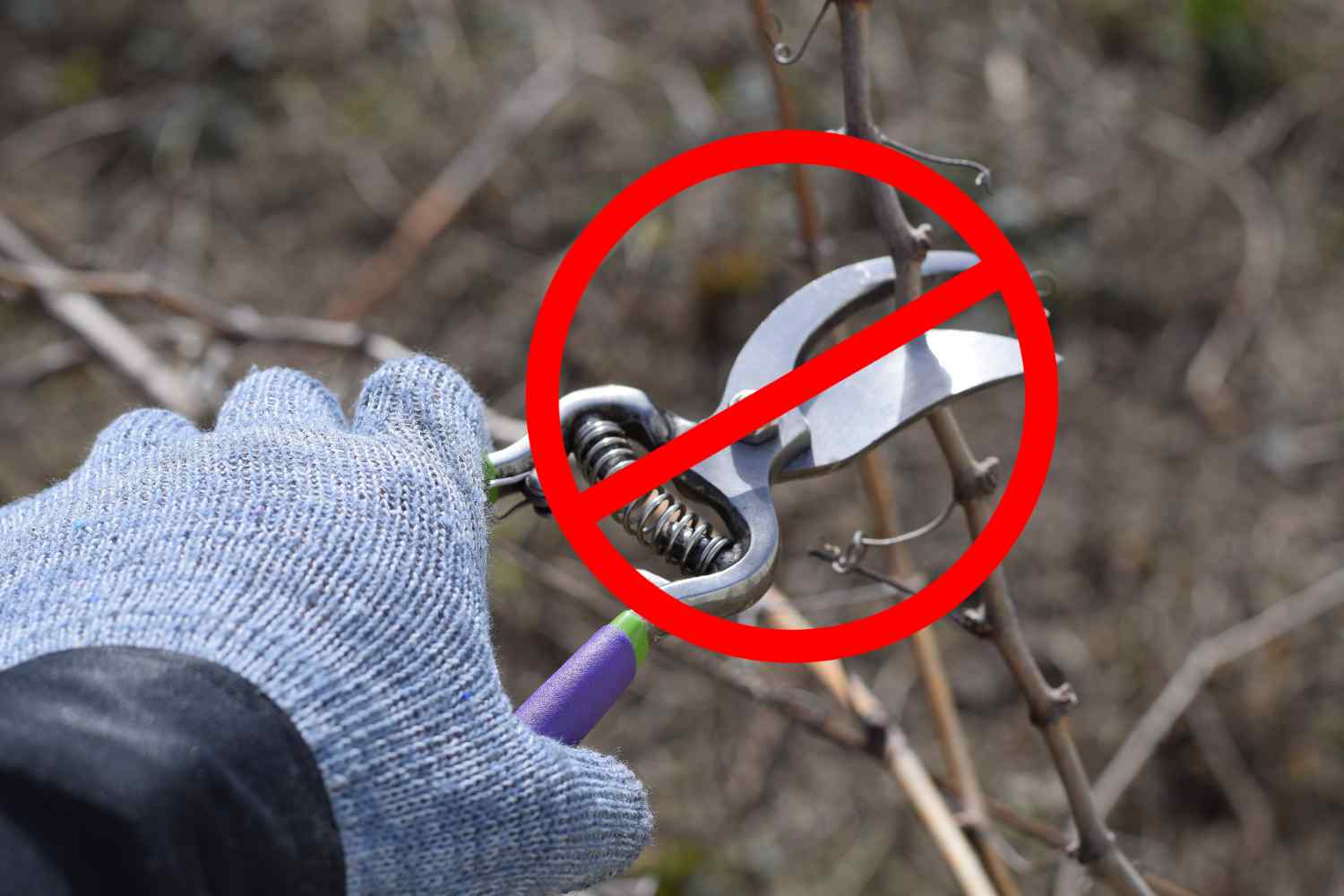
When spring arrives and the weather finally warms up after the long, gray winter, gardeners are eager to get back to their plants. One thing you need to be careful about is pruning in March, because while some trees and shrubs can benefit from pruning, many others do not.
Plants at this time of year begin to flower, grow and fill the gardens with color. Pruning them now can slow growth, cause damage or prevent the buds from blooming.
This is especially true if it is a plant that blooms in early spring. For these, in fact, it is enough to cut the dead or damaged wood and leave the buds alone. Additionally, pruning trees in the spring can make them more vulnerable to insect infestations and diseases. The advice is to wait until the end of summer. Here are some plants and shrubs that you should never prune in March. (Read also: Which fruit trees, plants, vines and shrubs you should NOT prune in February)
Shrubs
Some species of shrubs may perish as a result of pruning during this periodamong these we highlight.
Lilac: flowers on old wood formed the previous year. Pruning it now means eliminating all the buds already formed and giving up its characteristic fragrant flowering.
Forsythia: one of the first signs of spring, with its branches full of yellow flowers. Precisely because it flowers very early, pruning it in March is equivalent to cutting it while it is in full expression.
Rhododendron and azalea: both form buds in autumn on the previous year. A spring pruning eliminates them before they can even hatch.
Dogwood: Blooms among the earliest ever, often as early as February. In March it is already in full bloom: intervening now would damage the plant and deprive the garden of a precious moment of color.
Magnolia: very sensitive to cuts in this period. Spring wounds heal poorly and the plant is particularly exposed to fungal attacks.
Clematis: depends on the variety: those that flower in spring (groups 1 and 2) should not be touched now, because they produce flowers on the previous year’s wood. Only summer-flowering clematis (group 3) can be pruned in spring.
Wisteria: a classic mistake: pruning it in March means eliminating the flowering branches already formed. The main pruning should be done at the end of summer or winter.
Trees
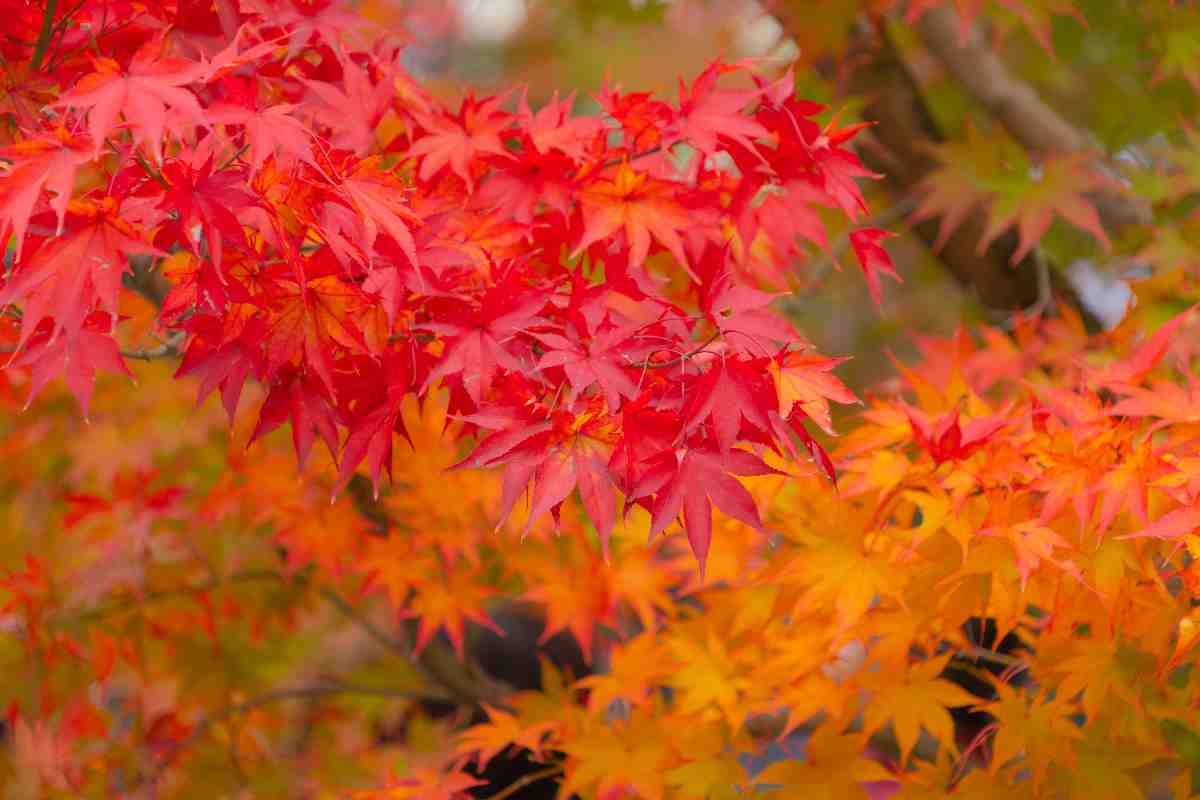
Many trees are also negatively affected by spring pruning:
Maple: in spring it is in full vegetative activity and has abundant sap. Cutting it now causes excessive sap loss (the so-called “weeping”), which weakens the plant and exposes it to diseases.
Birch: same thing as maple: it is known for its abundant spring “weeping”. Cuts during this period do not heal well and become gateways for fungi and insects.
Elm: particularly vulnerable in spring to elm graphosis, a fungal disease transmitted by beetles that exploit fresh pruning wounds as an entry point.
Evergreen trees: Actively restart with new growth in spring. Pruning them now risks removing the newly formed shoots, unnecessarily stressing the plant.
Ornamental cherry and prunus in general: The flowering trees of this group are very susceptible to bacterial and fungal diseases. Spring pruning creates wounds which, with the typical rains of the season, easily become a vehicle for infections.
How to recognize dead or damaged wood
Even in March it is permissible to intervene on dead or compromised wood, on any plant. To recognize it, the simplest method is the so-called scratch test: just gently scratch the bark with a nail or the tip of a small knife. If a green or moist layer appears underneath, the branch is alive and well; if instead it turns out to be brown and dry, it is almost certainly dead. Another reliable indicator is flexibility: a live branch bends without difficulty, while a dead one breaks with a sharp, sharp sound.
In March, then, the observation of the buds is particularly useful. Almost all vital branches already show swollen or even opening buds in this period: a branch completely bare of buds, while everything around comes back to life, is an eloquent signal. The bark also tells a lot: a dark and irregular color, a wrinkled surface or the presence of anomalous spots can indicate death of the tissue or an ongoing disease. Removing wood in these conditions is always a useful and safe operation, regardless of the time of year.
What you can do in March instead of pruning
March is a month full of things to do in the garden, even without touching the shears. It is the ideal time to distribute a slow release fertilizer or mature compost at the foot of the shrubs and trees, so as to provide the plants with the energy necessary for vegetative growth. With temperatures rising, the weeds start again vigorous and competitive: eradicating them now, when the roots are still superficial and the soil is moist, is much easier than doing it in the middle of summer. Likewise, freeing the flowerbeds from dry leaves accumulated during the winter, exhausted stems and dead annuals is an intervention that improves the health of the garden without any risk.
March is also a good month for planting new perennial plants, summer flowering bulbs and shrubs purchased in pots, which will find the ideal conditions to take root in the still fresh soil. It is also worth taking the opportunity to check the supports and bindings from the previous season: during the winter the branches grow and what was once a support may, over time, have become a lace. Finally, towards the end of the month, when the buds begin to swell, you can intervene with moderation on hybrid tea and floribunda roses, which are among the few plants for which spring pruning is not only permitted, but even recommended.
You might be interested in:
