
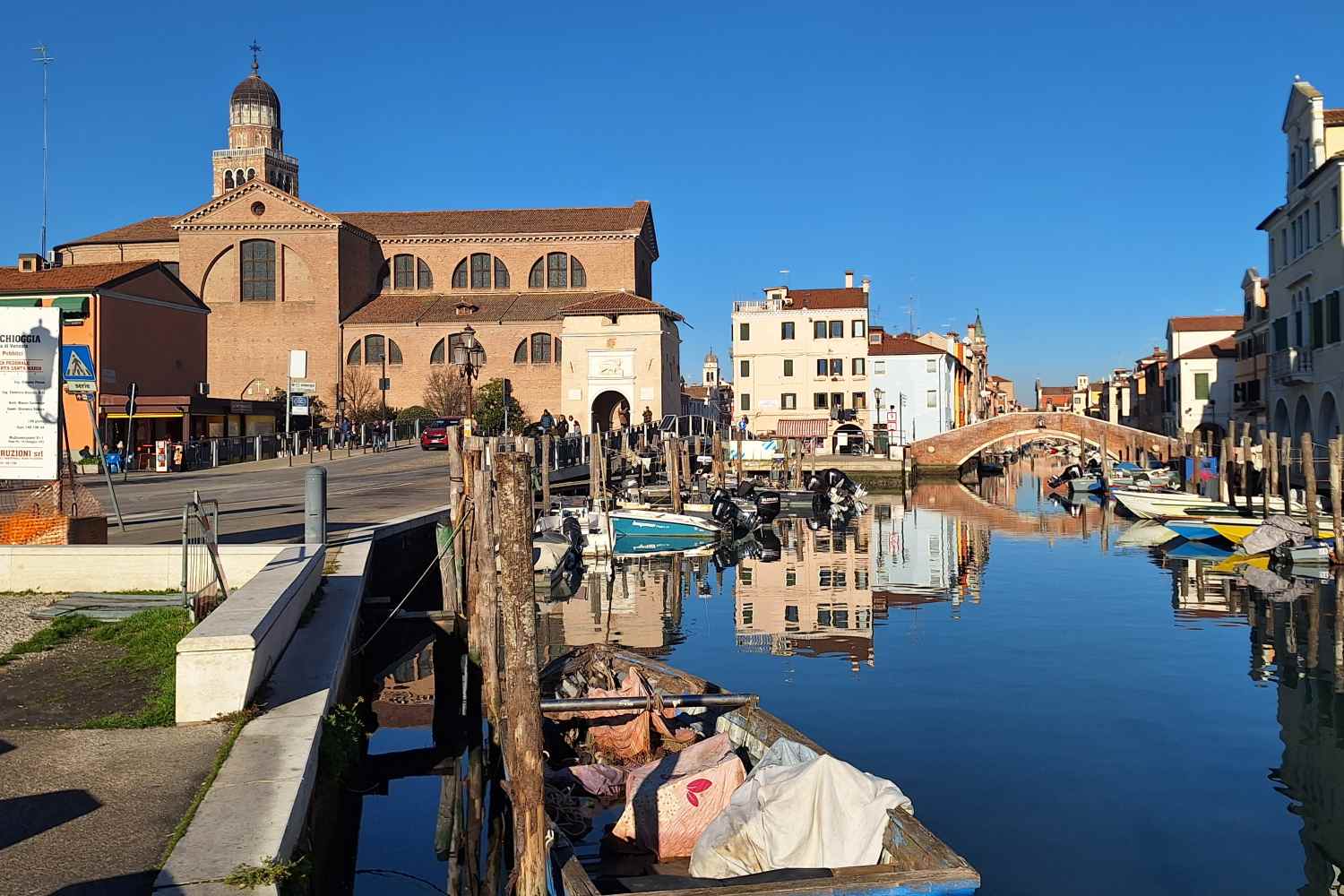
There are places that seem to immediately remind you of Venice, but with a different, slower and more authentic pace. This is the case of Chioggia, a Venetian town of around 50 thousand inhabitants located in the southernmost part of the Venetian lagoon, around 50 kilometers from Venice, and it is no coincidence that it is nicknamed “Little Venice”.
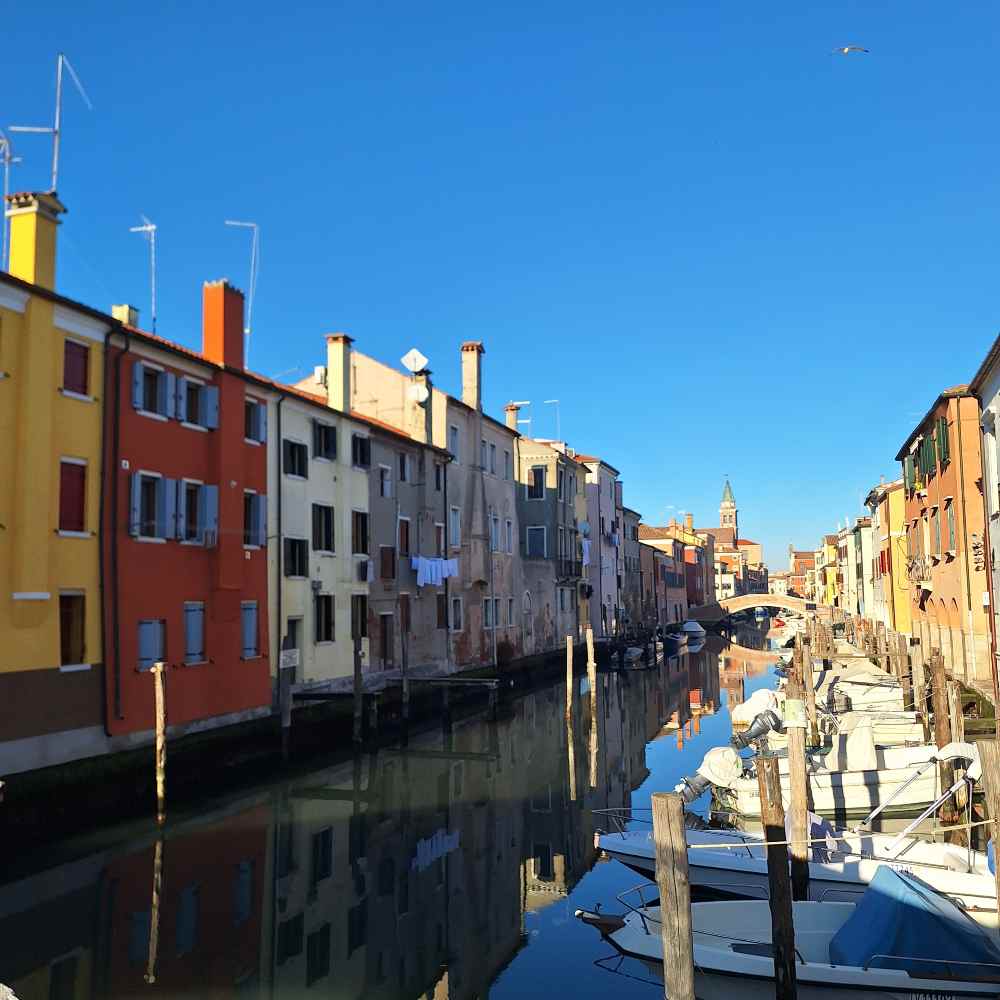
As soon as I arrived I understood why. The canals, stone bridges, colorful houses and boats docked along the foundations create the same lagoon charm, but with an important difference: here it is also possible to move by car, which is impossible in the Serenissima. This makes Chioggia more accessible and at the same time less crowded.
The historic center is spread over a series of islands connected by bridges, surrounded by water and crossed by canals. Walking through streets and sea views it almost feels like being in a more intimate Venice, where daily life still flows between markets, fishermen and shops. A place that I couldn’t wait to visit for a very personal reason: in fact, my grandmother was born here and spent her childhood before moving to the Varese area. For me it was therefore a dive into the past and my origins.
Walking between Corso del Popolo and the city canals
The heart of the city is undoubtedly Corso del Popolo, a long pedestrian street of around 830 meters that crosses the historic center from south to north. The course starts from Porta Garibaldi, the ancient access to the city, and leads to the suggestive Piazzetta Vigo.
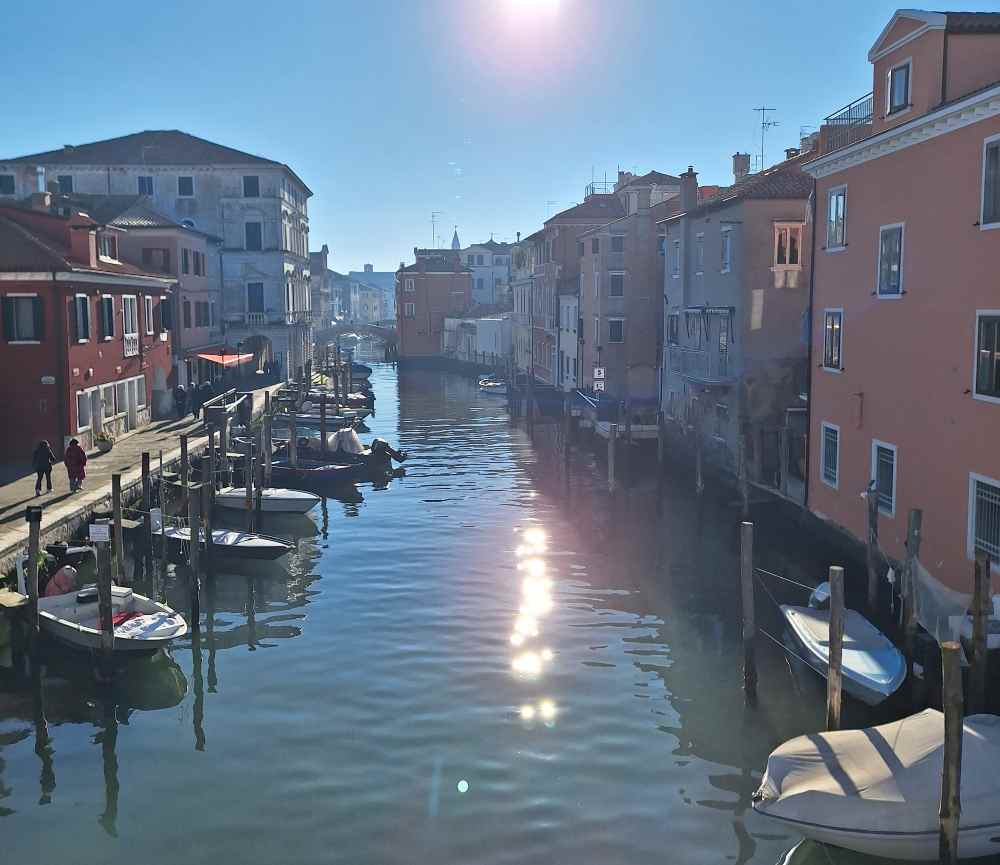
Walking along this road you come across Venetian-style buildings, shops, taverns and views of the canals. Among the most important buildings is the Town Hall, rebuilt in the nineteenth century after a fire that destroyed the previous structure in 1817. Only the balustrade decorated with statues remains of that building, today a testimony to the city’s past.
One of the most characteristic places is the Canal Vena, the main canal that runs through the center. Here you will find small bridges, fishing boats and the lively fish market, where freshly caught products from the Adriatic are sold every day. The atmosphere is authentic and tells of the city’s historical connection with the sea.
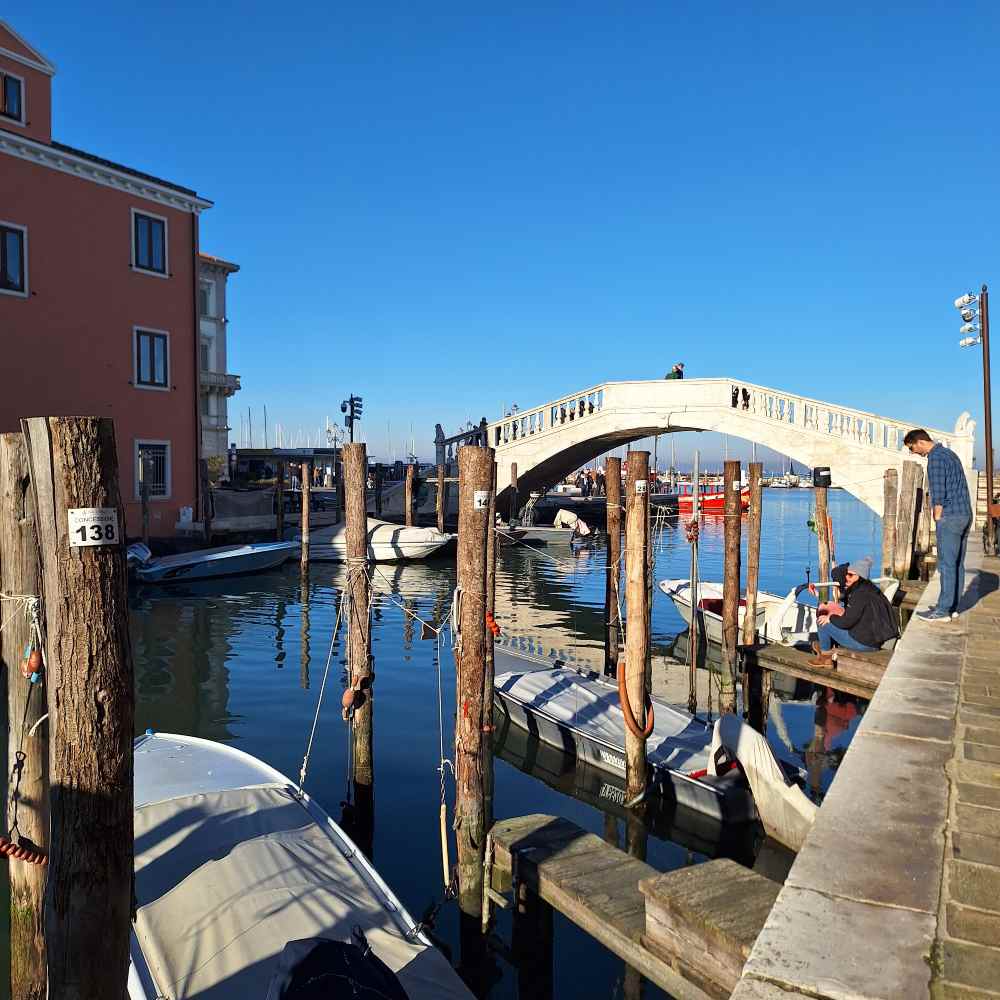
Continuing you arrive at Piazzetta Vigo, one of the most panoramic points in Chioggia. Here is the famous column with the Lion of San Marco, symbol of the Republic of Venice. The Venetians jokingly call it “the Cat of Chioggia”, or in dialect “el gato de Ciosa”, due to its smaller size compared to the Venetian lion. From the nearby Ponte di Vigo, considered the “balcony of the city”, you can observe one of the most evocative views of the lagoon.
Among historic churches and the bell tower with the oldest clock
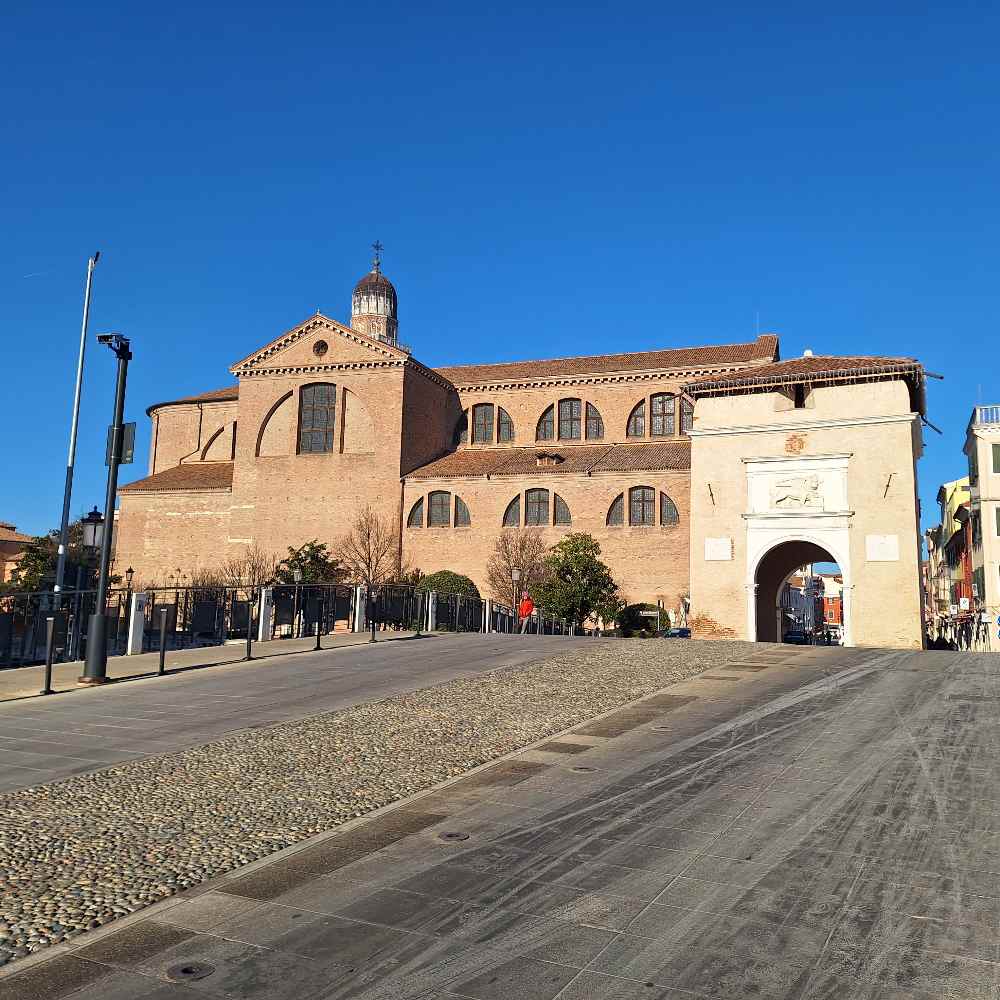
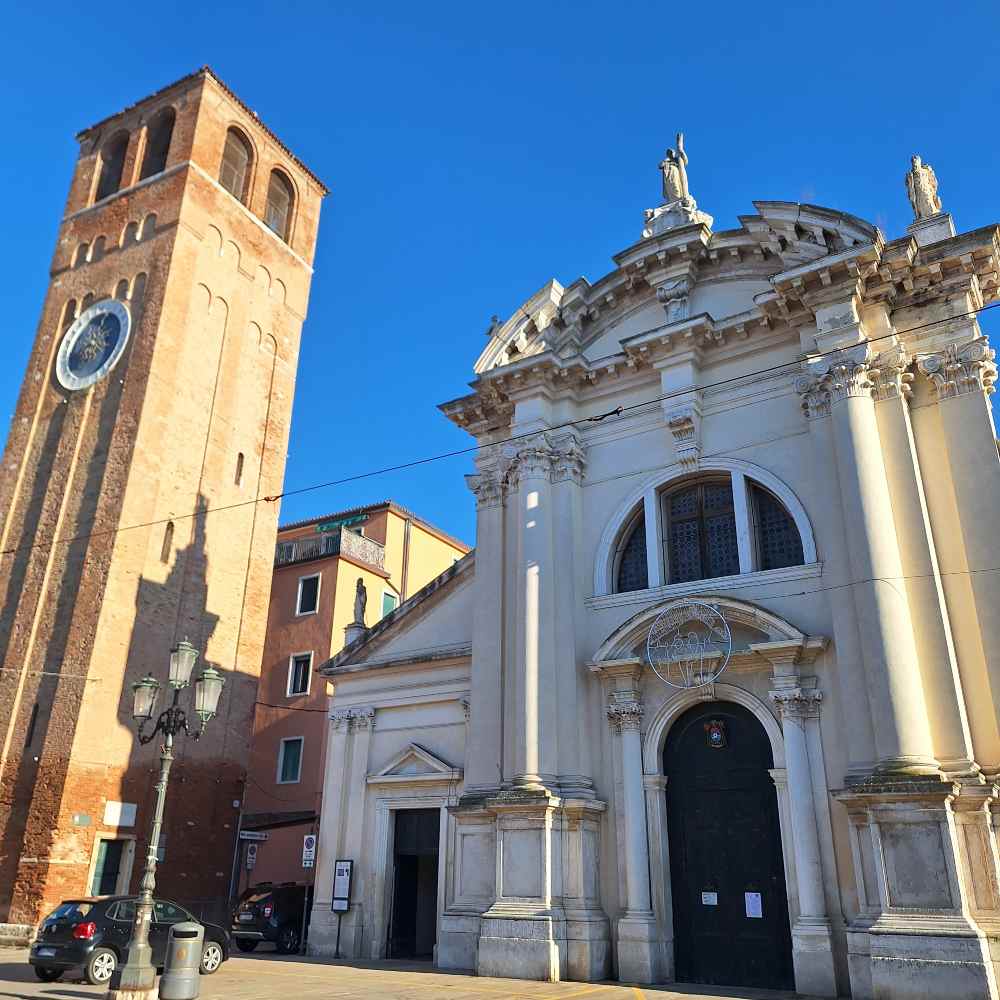
Among the most important monuments I have visited is the Cathedral of Santa Maria Assunta, located just beyond Porta Garibaldi. The church was built in 1623, after a fire destroyed the previous medieval structure. The exterior is rather simple, made of exposed brick, but upon entering you discover a completely different environment: frescoes, altars and a golden dome make the interior surprisingly rich.
Next to the cathedral there is one of the symbols of the city: the bell tower of Sant’Andrea, about 30 meters high. Inside is preserved what is considered one of the oldest tower clocks in the world, dated 1386. Climbing the seven floors of the small museum housed in the tower you reach the bell tower, from which you can enjoy a splendid view of the city and the rooftops of Chioggia.
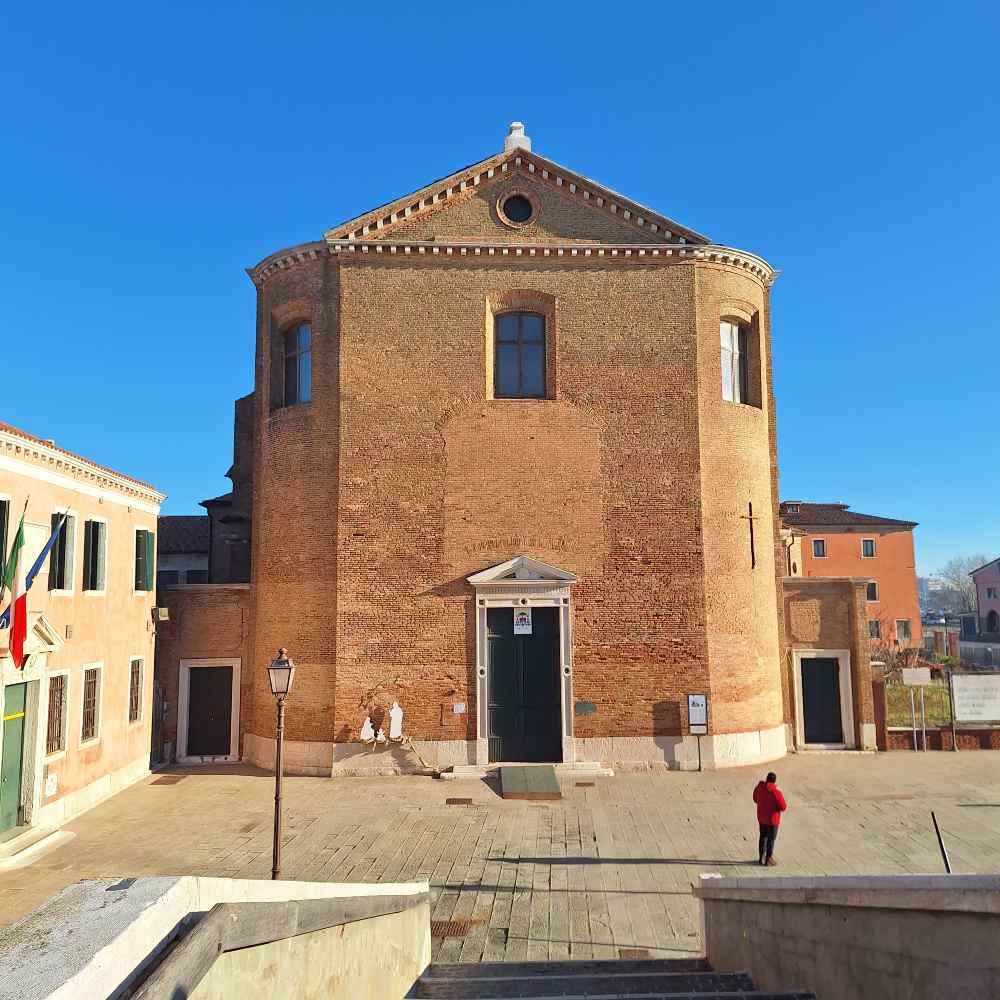
Among the most evocative stops there is also the Church of San Domenico, built on a small island connected to the city by a bridge. Inside is the famous Crucifix of San Domenico, linked to a local legend: according to tradition it was found by fishermen during a fishing trip. Even today the image of this crucifix is used as a symbol on the sails and bows of boats.
From the historic center to Sottomarina beach
After exploring the historic center, I decided to continue towards Sottomarina, the seaside resort connected directly to Chioggia. The two areas are joined by a bridge and today form a single urban centre. Here the atmosphere changes completely. Instead of canals and bridges you find yourself in front of a very long beach of very fine sand, which extends for about ten kilometers along the Adriatic.
A walk on the Sottomarina dam, which extends into the sea up to the red lighthouse, offers a spectacular view of the coast and the lagoon. Along the route you will also come across the typical balanse, small wooden buildings used by fishermen.
Why visit Chioggia
My trip to Chioggia was a surprising discovery. This city manages to combine the charm of the Venetian lagoon with a more authentic and less touristy atmosphere. Between picturesque canals, fish markets, historic buildings, ancient churches and the sea just a few steps away, Chioggia offers a perfect mix of art, tradition and lagoon landscapes. And if you are planning a visit to Venice, the advice is simple: dedicate a day to this city too. Little Venice may surprise you much more than you imagine.
You might also be interested in:
