
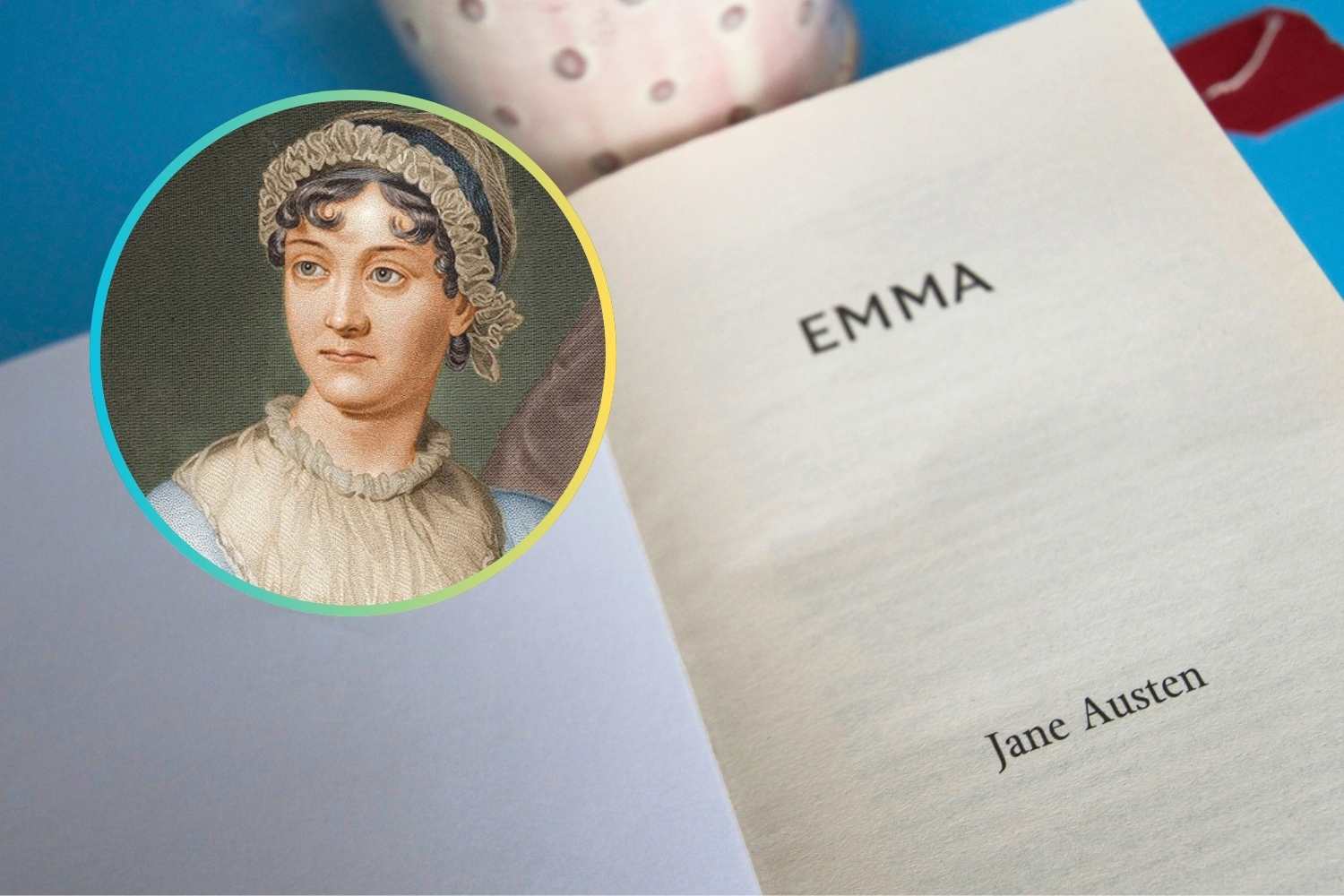
Some have tried to relegate her works to the “chick-lit” genre (not that Kinsella hasn’t had merit), but the reality is that Jane Austen was much, much more: her works are permeated by a common theme, which attempted to shake the foundations of a patriarchal society. Succeeding.
Think about it: behind every line of Jane Austen there is a message of resistance and denunciation, a silent but powerful appeal against social injustices. Her heroines are not simple daughters of their time: they are aware women, who with their intelligence, irony and courage fight for self-determination in a world that sees them as objects to be negotiated into marriage.
Yet, few voices at the time would have dared to speak so openly about a reality that relegated women to mere property.
From Pride and Prejudice and other whys
In his Pride and PrejudiceAusten doesn’t just tell a love story. The one between Elizabeth Bennet and Mr. Darcy is actually a good pretext to be able to dig into the heart of the society of the time, revealing how women were forced to sacrifice their dignity to satisfy social expectations. When Elizabeth, determined, refuses Darcy’s marriage proposal, she does so to assert herself, her right to choose without bowing to conventions that do not recognize her individuality. One more reason, for Austen, to show us clearly – and often with a pinch of irony – that authentic love cannot exist without freedom and mutual respect, two values that her heroines (also Emma has similar traits) they forcefully claim.
But Austen’s emancipation is not limited to her characters. Her life was also a form of silent but strong resistance, a testimony of independence in an era that confined women to the role of wives and mothers. Jane Austen chose to live with honesty and authenticity, dedicating herself to writing rather than getting married, in the firm belief that a woman should define herself by her ability to think and write, not by marriage. A choice which, nowadays, appears courageous and radical, but which at the time was an authentic act of rebellion.
Today, centuries later, many of the battles that Austen raised in her novels are still incredibly relevant. Not only marriage, but also the social and economic condition of women continues to raise questions and, often, the choice not to marry or (worse) not to have children and not to follow the expectations imposed by society is still viewed with brutal suspicion.
Ultimately, what Jane Austen really wrote are not just love stories, but of redemption and silent struggle for equality, of rights to be claimed. Reading his words, a certainty emerges: true love is nothing other than that which allows us to truly be us deep inside, free and free to choose our destiny, without ever stopping fighting for our dignity.
You cannot, for the love of a person, change the substance of principles and moral integrity, just as you cannot try to convince yourself, or to convince me, that selfishness is prudence, and unawareness of danger is a guarantee of happiness.
