
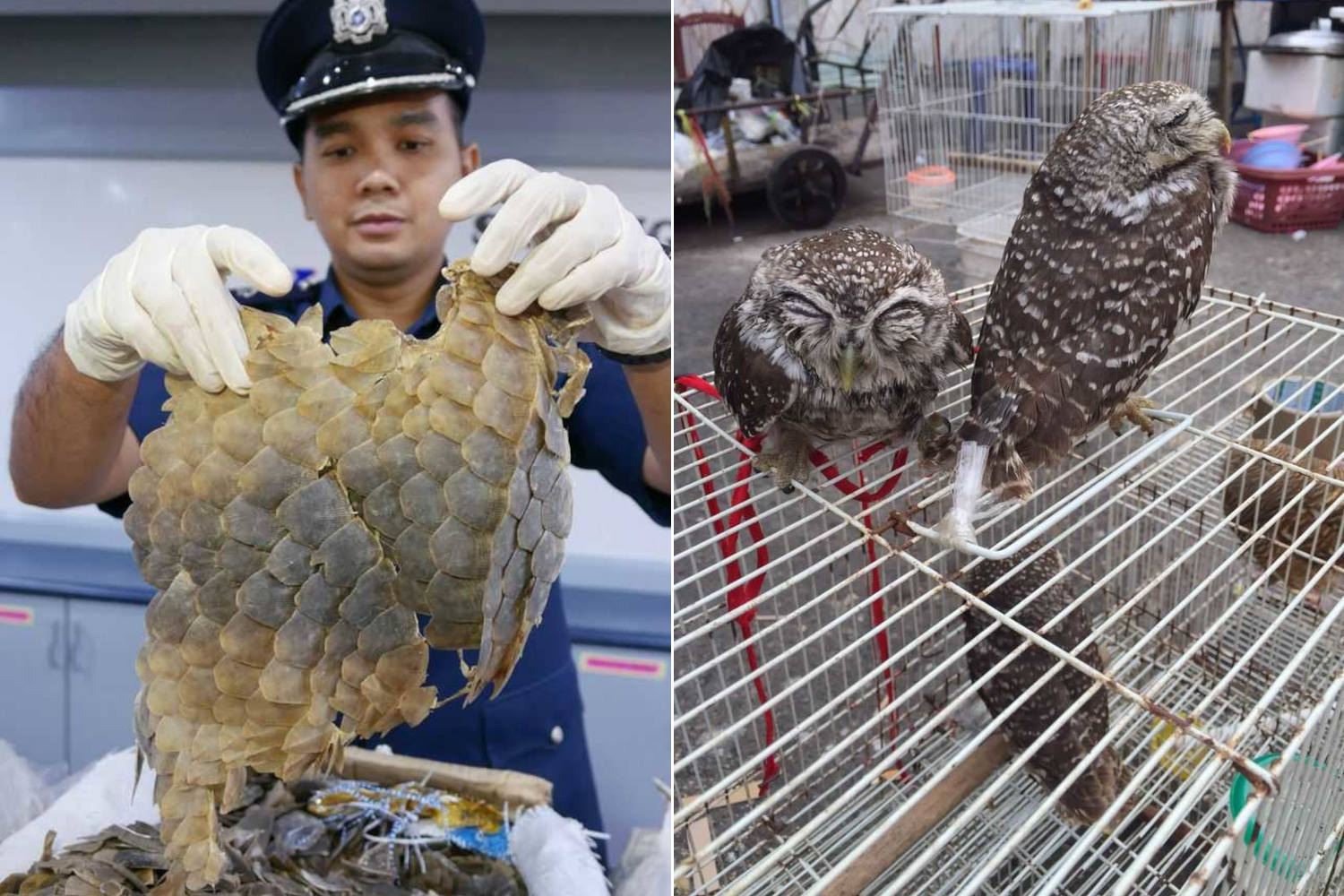
Today, March 3, World Wildlife Day is celebrated, but the photograph taken by the report Crimes of Nature of WWF Italy is anything but celebratory. Over 4,000 animal and plant species around the world are victims of illegal trafficking. According to UNODC data, the illicit trade in fauna and flora involves 162 countries and iconic species such as pangolins, elephants, rhinos, crocodiles, parrots, orchids and precious woods, generating profits estimated at over 20 billion dollars a year.
The report highlights how these crimes undermine the stability of ecosystems, worsen the climate crisis, reduce essential resources and compromise collective security, showing that the destruction of nature is no longer just a consequence of unsustainable economic models, but often the result of illegal activities organized and integrated into international criminal networks.
Italy is not a spectator but an active part
Unfortunately, Italy, despite being rich in biodiversity, remains a European hotspot for crimes against nature. The peninsula is a transit point for international traffic and poaching remains a real threat to birds of prey, mammals such as wolves and deer, migratory birds and protected flora such as wild orchids and medicinal plants.
Sophisticated techniques, from electronic acoustic calls to the theft of chicks from nests, are being used systematically to feed national and international markets. Trafficking in exotic wildlife adds further dangers: turtles, ornamental birds, tropical reptiles and small primates end up in illegal trade, with extreme cases such as the seizure of a chimpanzee in Sicily in 2025.
Poisonings, fires and devastating impacts
The use of poisoned bait and arson are other weapons against fauna and ecosystems. Poisonings affect predators and domestic animals, but cause cascading effects on the entire food chain, also putting human health at risk. Fires, often linked to speculative interests, have devastated a national area equal to Friuli-Venezia Giulia over the last ten years, with losses comparable to those of the entire European Union in 2025.
When fear becomes condemnation
But among the causes of all this there are not only criminal networks and multi-billion dollar businesses: superstitions, ancestral fears and pseudo-science also kill. Alongside organized trafficking there is in fact a less visible and equally devastating front: that of beliefs that transform animals that are fundamental to ecosystems into targets to be eliminated.
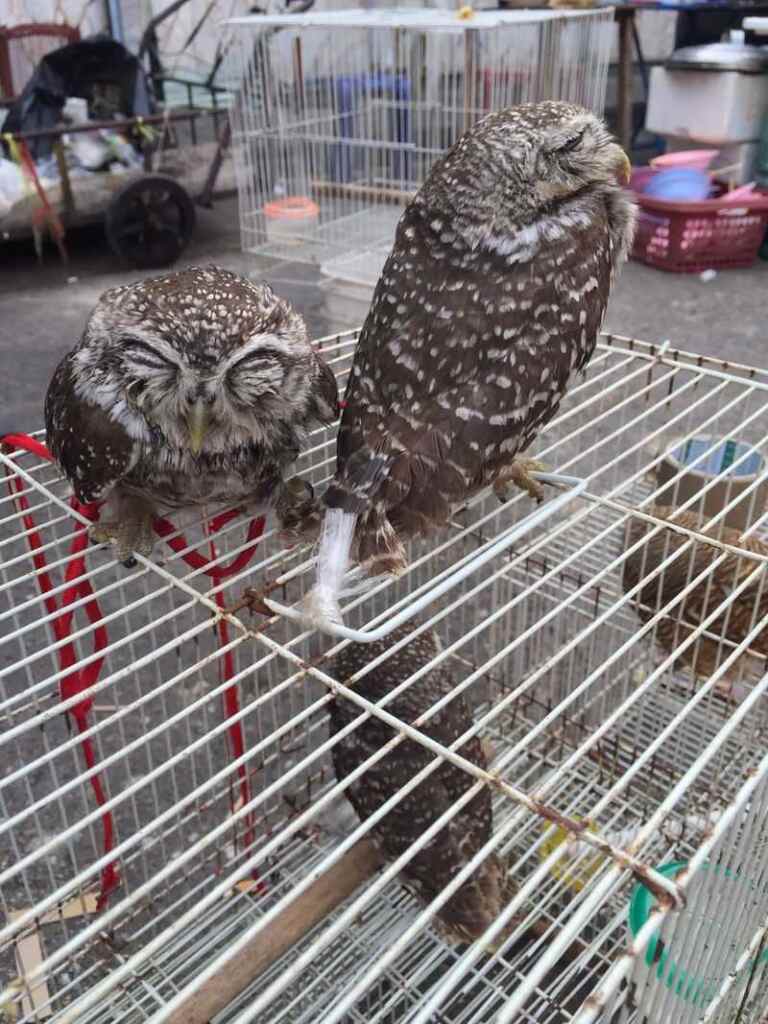
Bats are among the most emblematic victims. Associated with epidemics or dark forces, in many areas of the world they are exterminated on the basis of beliefs without scientific basis. Yet their role in pollination and insect control is crucial to natural balance. Same fate for snakes, often killed indiscriminately even when not poisonous, and for owls and owls, associated in some cultures with witchcraft. During health or social crises, the search for a natural “scapegoat” accelerates these persecutions, transforming misinformation into a concrete threat to biodiversity.
Pangolins, tigers and rhinos: the business of belief
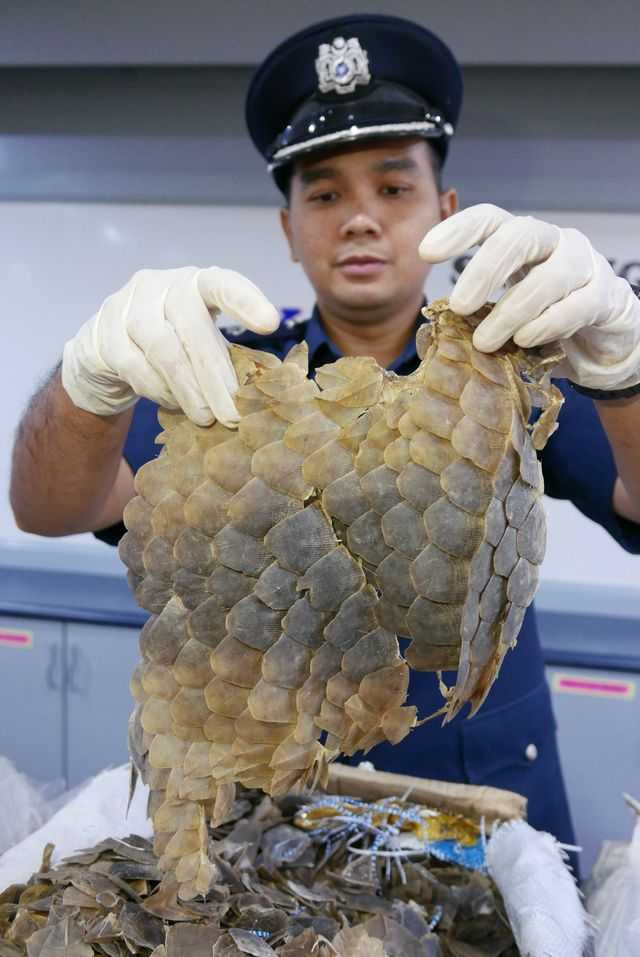
The case of pangolins is among the most dramatic: they are today among the most trafficked mammals in the world. Their scales are used in traditional medicine practices without any clinical validation. The same happens with rhino horn or tiger bones, fueling illegal markets that violate CITES regulations. This is not harmless folklore. When these practices translate into the capture, killing or trade of protected species, they become real environmental crimes. A system that thrives where there is a lack of accessible information, effective controls and sustainable alternatives.
The weight of ignorance
Countering these phenomena does not mean attacking cultural traditions, but promoting a dialogue based on scientific evidence. In Italy, organizations such as CICAP work to dismantle unfounded beliefs that can also have concrete consequences on fauna.
Environmental education and strengthening critical thinking are as powerful prevention tools as laws. Where awareness grows, the space for irrational fears and illegal markets diminishes. On the day dedicated to wildlife, the message is clear: protecting animals also means fighting the ignorance that condemns them. Because every species eliminated due to an unfounded myth is a loss that we all pay for, in terms of balance, climate and future.
You might also be interested in:
