

A study led by Regeneron Genetics Center in Tarrytown (New YorkUSA) has identified some mutations in the FNIP1 gene associated with greater muscle mass, reduced levels of abdominal fat and blood sugar and a lower risk of pathologies such as type 2 diabetes and heart disease: eating healthy and doing physical activity is important, but (unfortunately or fortunately) genetic heritage plays its part.
The FNIP1 gene – it was already known – plays a role in cellular metabolism and in the mechanism by which cells detect and respond to certain nutrients. We now know that about one in 7,000 people whose genomes were sequenced in this research had one of the recently identified FNIP1 gene variants associated with health benefits.
How the study was conducted
©Nature
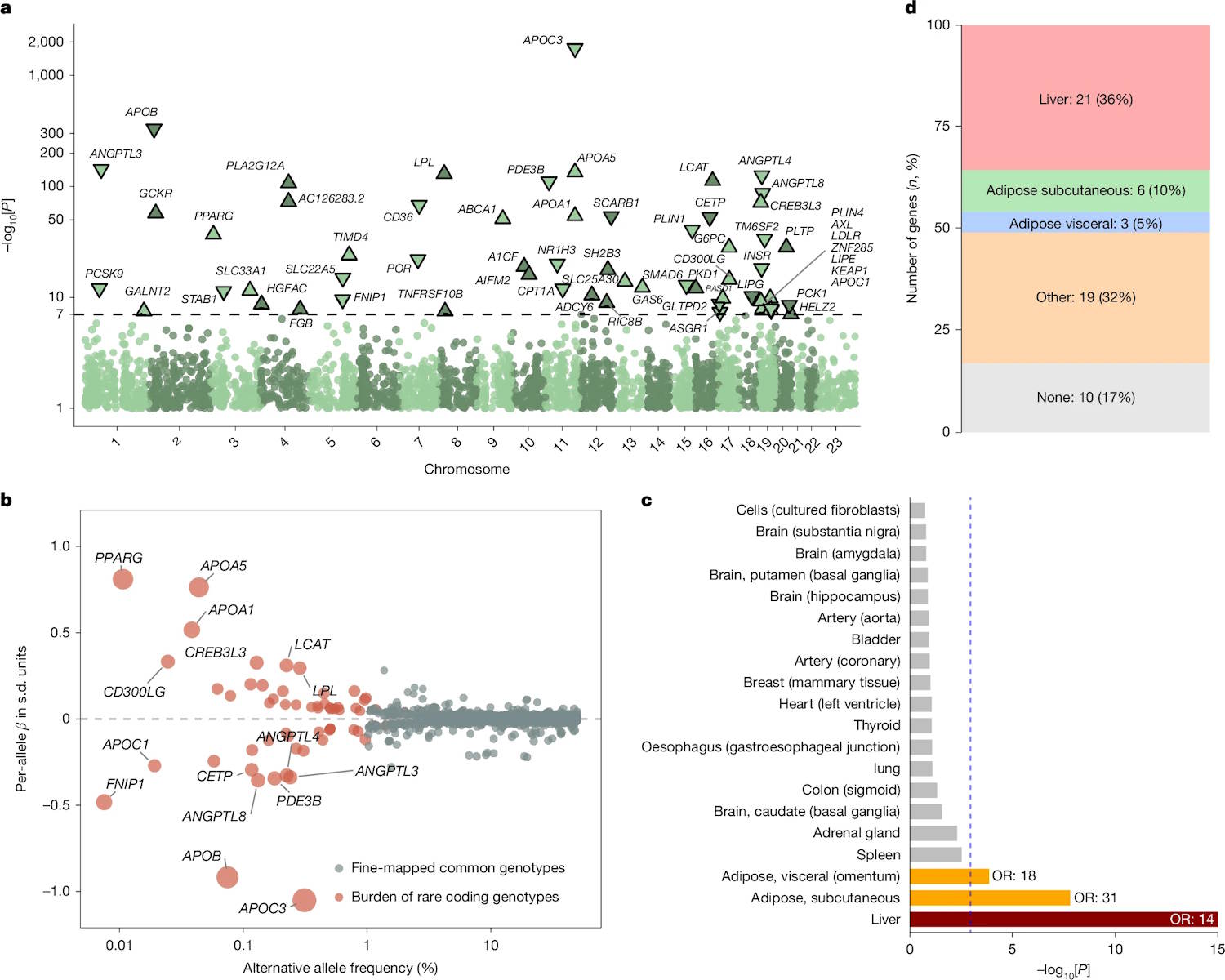
To understand the mechanisms underlying the pathologies under study, the researchers analyzed the genomes of over a million people from different origins on three continents, looking for genetic variants linked to changes in a blood biomarker called the TG:HDL ratio, or the ratio between the levels of triglycerides and those of HDL cholesterol, commonly called “good cholesterol”.
The higher this ratio, the greater the risk of metabolic diseases
explains Luca Lottawho led the research
The results
©Nature
Variants stood out in the FNIP1 gene: in particular, people carrying certain mutations that deactivate one of the two copies of this gene present in the body showed a significantly healthier metabolism than the general population, with an average 60% lower risk of developing cardiometabolic diseases.
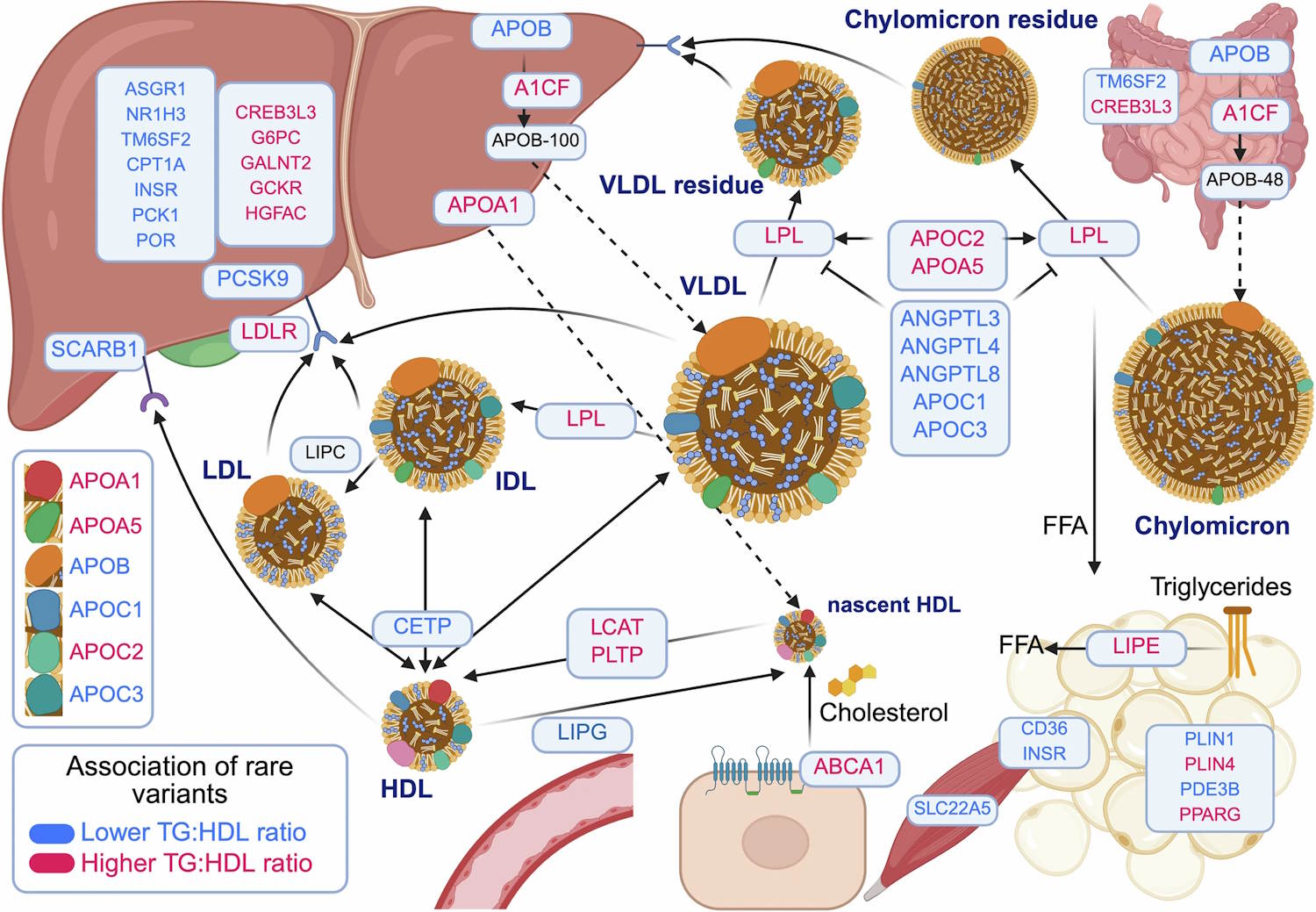
The researchers then explored the genetic evidence by silencing the FNIP1 gene and related genes in human liver cells, which led to increased expression of genes involved in lipid degradation.
It was once believed that these large common diseases were caused by common genetic variants – explains Sadaf Farooqi, co-author of the study – But in reality it is the rare variants that provide us with information on the biological pathways that must be modified to increase or decrease the risk of disease
Because of this
©Nature
This is why the results – he adds – are an example of the power of genetic discovery on a large scale.
Possible applications
For the vast majority of “ordinary” people, however, the results offer much more than a reason to envy the lucky owners of these variants: in fact, they reveal a possible target for drugs that could one day reproduce part of the apparent protection offered by these mutations against cardiometabolic diseases, a set of interconnected pathologies that includes stroke, diabetes, heart attack and some forms of liver disease, which – let us always remember – are the main cause of death in the world.
And that – attention – another recent study led bySeoul Yonsei University has been shown to be largely linked to potentially modifiable risk factors. This means that the research in no way diminishes the importance of leading a healthy life.
More research is needed to confirm the link, but the team hopes the findings could pave the way for drugs that can replicate the protective effects of the variants in the future. Also because the study was conducted in an excellent manner, not limiting itself to examining white American citizens.
They studied a million people to find this very rare variant. And this reveals biological aspects that can be valuable to millions and millions of people around the world
comment on this Kari Northepidemiologist at the UTHealth Houston School of Public Health in Brownsville (Texas, USA), not involved in the research.
The work was published on Nature.
Sources: Nature Magazine / Nature
