
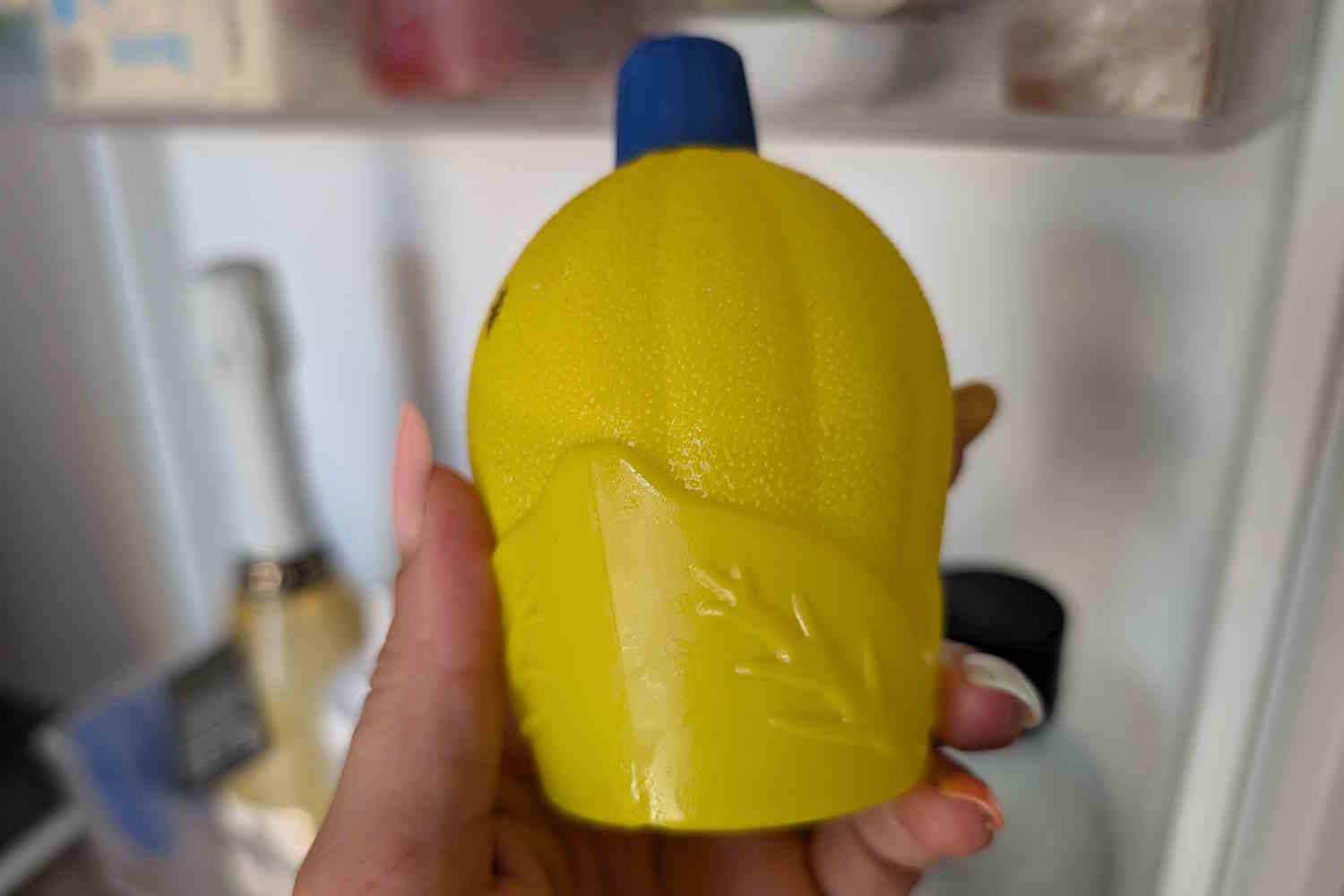
The yellow bottle, often even in the shape of a lemon itself, is always there in the refrigerator, ready for use. I take it when you have to season the salad and give flavor to the fish, it is practical, always available and cheap. Have you ever wondered what’s really inside? The answer may surprise you.
Let’s start with a clear fact, Industrial lemon juice is not always what it seems. Of course, there are quality products that really contain 99.8%lemon juice, such as some organic products lines, but the reality of the market is more complex, especially when large retailers come into play.
The ingredient you don’t expect
Try to open the label of any bottle and among the ingredients you will almost always find a theme song: E330. It looks like a mysterious code, in reality it is thecitric acid, A natural substance, abundant in citrus fruits. So far everything is fine, you will think. The problem is that this citric acid does not come from lemon, since It is produced artificially (E330) With sugary raw materials such as corn or molasses that act as a base for a mold, “Aspergillus niger”. That’s right: a black mold produces the acid which then ends up in your bottle of “lemon juice”.
The hidden preservative
But it doesn’t end there. Looking better the label, you will often find the Metabisolfito di Potassioa preservative that allows the product to last on the shelves for months. Some producers are more transparent and declare everything, others less. The difference with fresh lemon is abysmal: by squeezing a lemon you will get natural vitamin C, essential oils of the peel, live enzymes, when instead you will pour the juice from the bottle, you will have A mix of pasteurized juice, synthetic citric acid and preservatives.
The industrial process
How do you go from lemon to bottle? The industrial process changes the original product. Lemons are squeezed in huge systems, The juice is filtered, pasteurized at high temperatures to eliminate bacteria and molda process that makes the product safer – for the purpose of long conservation – but which inevitably ends with destroy most of the vitamins and natural enzymes.
To compensate, the industry adds thesynthetic citric acidcosts less and is more stable: it is the cheapest and simplest way to produce this food additive. The result? A product that knows of lemon but is no longer lemon.
The alternatives exist
Not all the juice in the bottle is the same. Exist organic products that contain fresh lemon juice without added additives. They are produced by companies that squeeze lemons when they are ripe and use a soft pasteurization process to preserve nutritional properties.
The price? Obviously higher: a bottle of organic juice can cost the triple of the industrial one, but you will have the certainty of buying a completely different product.
How to recognize the truth from the fake
Reading the label is essential. If you only find “lemon juice“And maybe”lemon essential oil“, You are on the right path. If instead the list includes E330, potassium metabisulfite and other additives, you are buying a very processed product of questionable quality.
A trick? The color. Fresh lemon juice has a pale yellow color that tends to darken over timethe industrial one maintains a brilliant yellow for months: thanks to the preservatives and the production process.
The choice is yours
In the end, the decision is up to you. Industrial juice is not dangeroussince Citric E330 acid is not dangerous, it is not carcinogenic, and does not hurt health if consumed in the planned doses, even if it is not remotely comparable to fresh juice. If you are looking for practicality and savings, the bottle juice is for you, if instead you are looking for the true flavor and benefits of lemon, the fresh juice remains unbeatable.
