
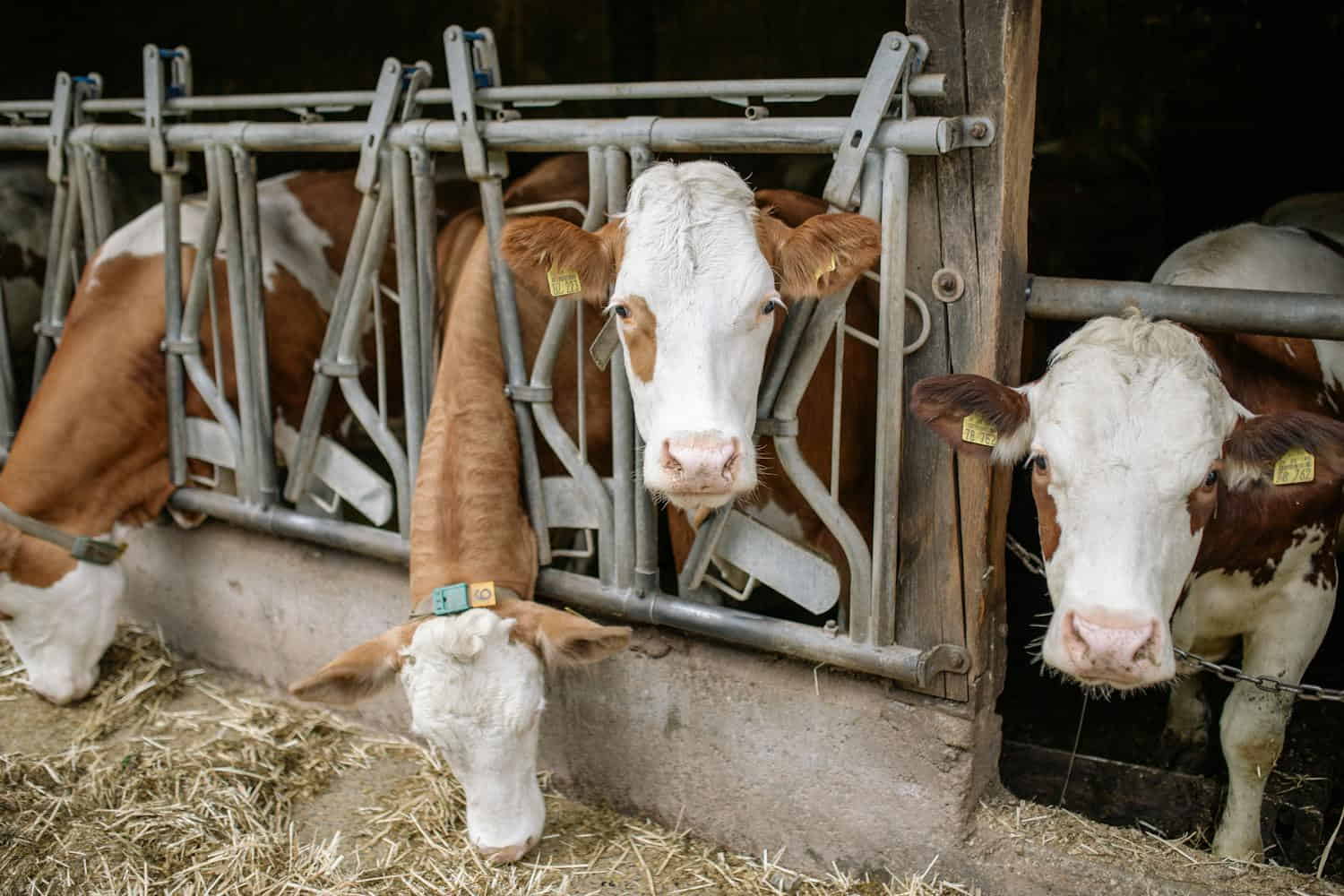
Lombardy leads the national ranking of intensive farming with over 5.2 million cattle and pigs. Impressive numbers, equal to approximately 1 head for every 2 inhabitants of Lombardy. The region holds 40% of the total national animals, which rises to 47% considering only pigs, with three provinces – Brescia, Mantua and Cremona – protagonists of the record. Over the last ten years, milk production has increased by 11%, while the average farm size grows and small businesses disappear, giving way to mega-farms with over 500 animals.
View this post on Instagram
A system beyond ecological capacity
Animal density is now almost four times higher than the national average for cattle and six times higher for pigs, creating an excess nitrogen load that the territory is no longer able to dispose of. Livestock waste exceeds the capacity of the land to act as a natural fertilizer, while the release of ammonia contributes to the formation of PM2.5, making the Po Valley one of the most polluted areas in Europe. In 402 municipalities in the region, the nitrogen load exceeds crop needs, exposing Lombardy to European sanctions for violation of the Nitrates Directive.
Increasing emissions and environmental fragility
Despite the overall reduction in emissions in Italy, Lombardy farms recorded a +2.50% CO2eq between 2014 and 2021. The environmental impact adds to critical issues on animal welfare, with animals forced into limited spaces and often unhealthy conditions. Low-intensity farms, on the other hand, show lower emissions, longer-lived animals and reduced health costs, demonstrating that larger size does not equal efficiency.
Dependence on foreign countries and economic vulnerability
Lombardy is heavily dependent on imported feed: only 25% of corn and 13% of soy come from local crops. This fragility makes the system exposed to international market shocks, with negative effects on prices and farmers’ income. On the contrary, small and medium-sized enterprises produce more added value per hectare, generate rural employment and maintain control of the territory, contributing to more resilient livestock farming.
Animal welfare and production sustainability
The study highlights how improving animal welfare standards is fundamental: reducing the number of animals to ensure healthier conditions produces higher quality meat and milk, lowers veterinary costs and increases the overall sustainability of companies. Agroecological and organic practices represent a winning strategy both for the environment and for the economic return of farmers, also strengthening the reputation of Italian DOP products on international markets.
Towards a necessary transition
The report “Intensive farming in Lombardy, Anatomy of an excess” highlights that the current model is no longer sustainable. The transition towards agroecological, resilient and sustainable systems is urgent, to reduce environmental impact, guarantee animal welfare, protect public health and improve the economic stability of the sector. Only in this way will Lombardy be able to reconcile productivity and ecological responsibility, protecting the climate, territory and local communities.
You might also be interested in:
